About this artwork
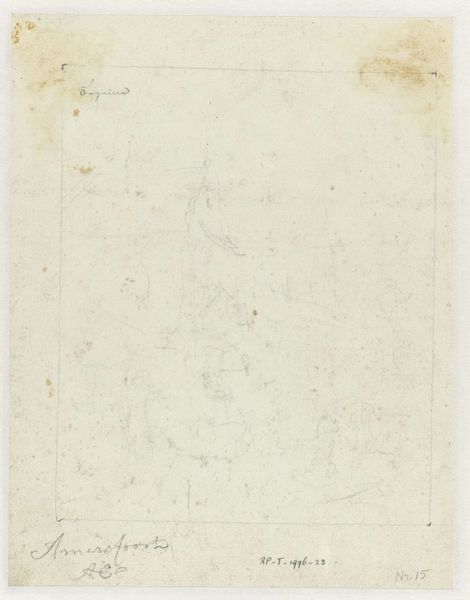
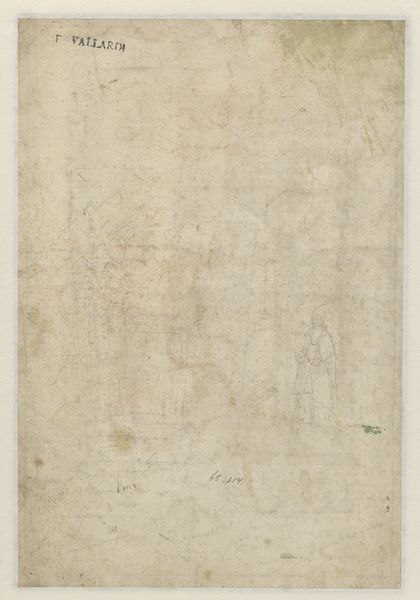
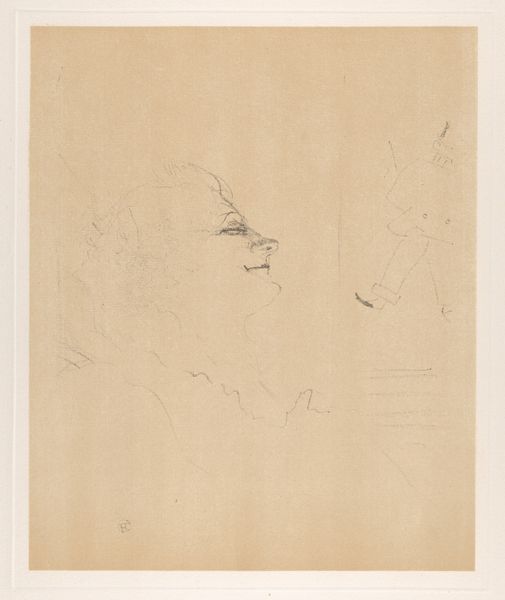
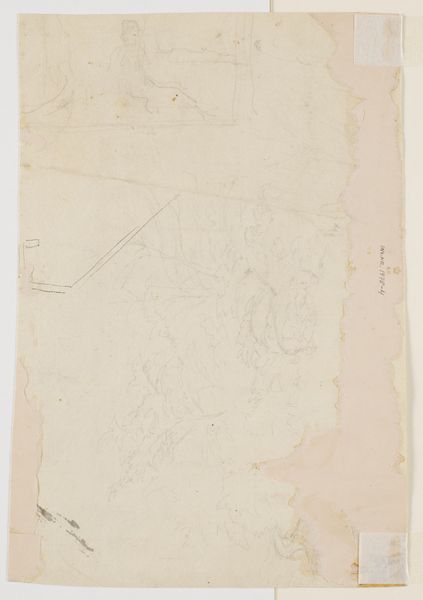
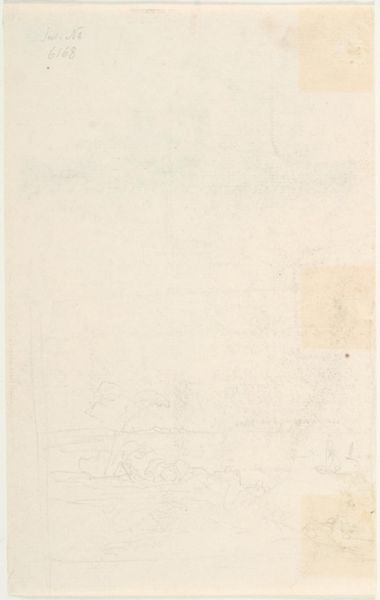
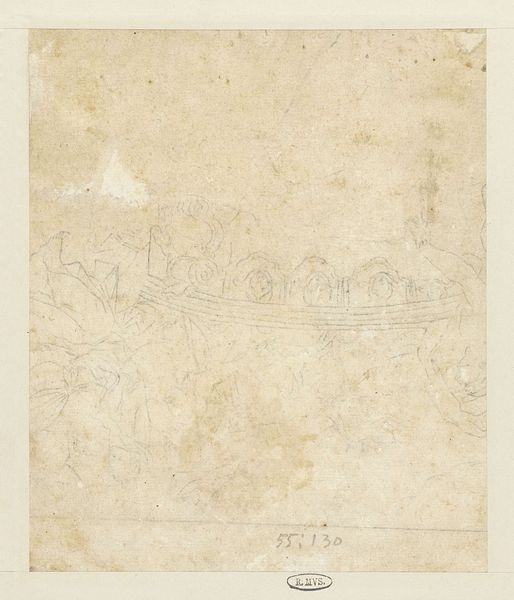
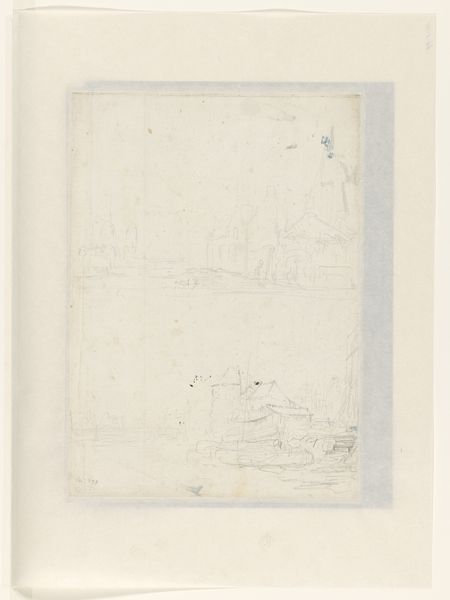
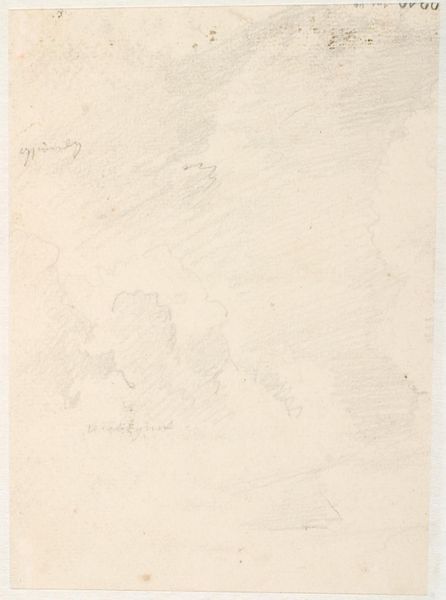
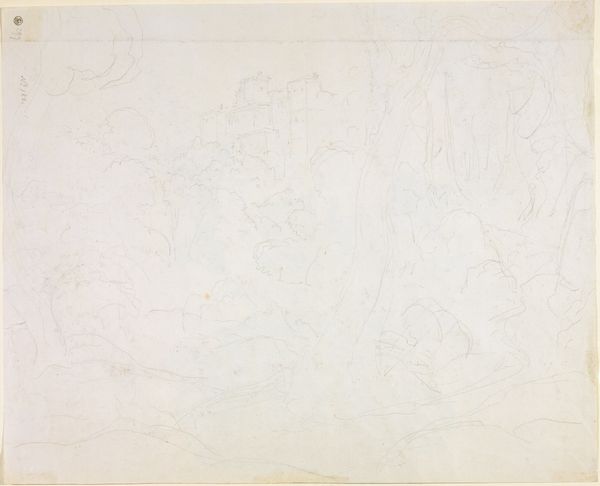
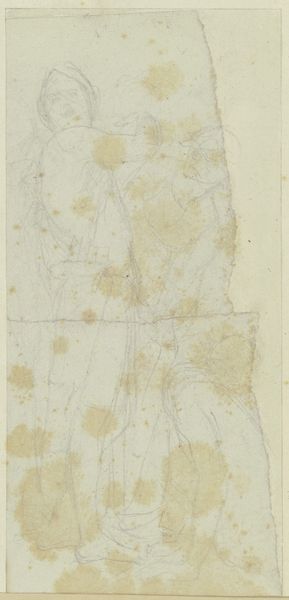
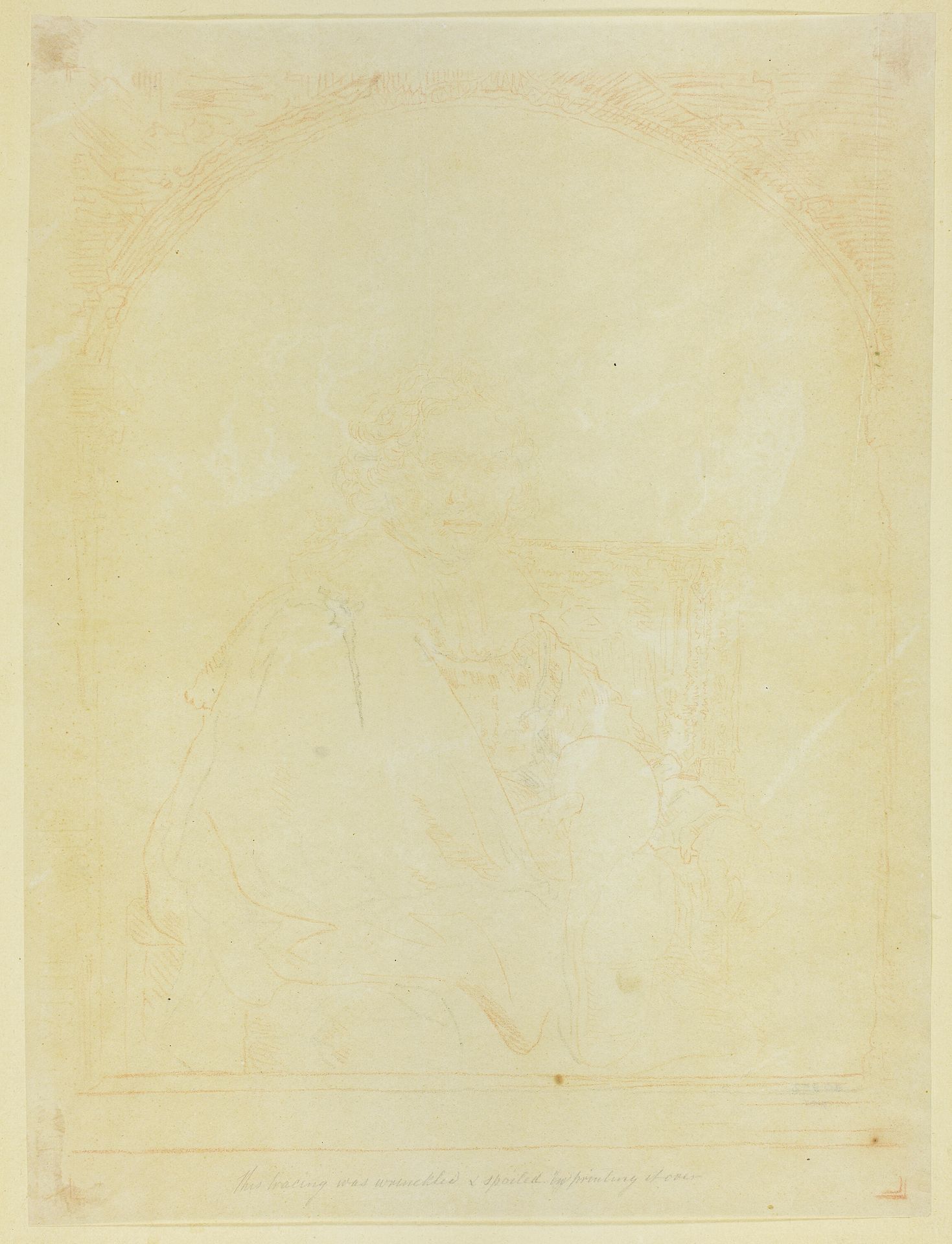
Christian Josi created this drawing, "Study for Portrait of a Man in an Arm Chair," as part of his collection imitating Dutch and Flemish masters. It's an intimate look into the practice of art-making. Josi lived during a time when the art world was steeped in tradition, often celebrating the past. This piece reflects that reverence, yet it also subtly questions the nature of originality and authorship. Consider the power dynamics at play when one artist imitates another. What does it mean to copy someone else's work? Does it diminish the original, or does it elevate it through reinterpretation? The drawing feels like a ghost of a portrait, a faint outline that invites us to fill in the details. Who was this man in the armchair? What was his story? Josi leaves space for us to imagine. In doing so, he reminds us that art is always a conversation, a dialogue between the artist, the subject, and the viewer.
Study for Portrait of a Man in an Arm Chair, from Collection d'imitations de Dessins d'après les Principaux Maîtres Hollandais et Flamands
c. 1821


Artwork details
- Medium
- drawing, print, paper, pencil, chalk
- Dimensions
- 400 × 300 mm (sheet); 505 × 395 mm (secondary support)
- Location
- The Art Institute of Chicago
- Copyright
- Public Domain
Tags
Comments
Share your thoughts
About this artwork
Christian Josi created this drawing, "Study for Portrait of a Man in an Arm Chair," as part of his collection imitating Dutch and Flemish masters. It's an intimate look into the practice of art-making. Josi lived during a time when the art world was steeped in tradition, often celebrating the past. This piece reflects that reverence, yet it also subtly questions the nature of originality and authorship. Consider the power dynamics at play when one artist imitates another. What does it mean to copy someone else's work? Does it diminish the original, or does it elevate it through reinterpretation? The drawing feels like a ghost of a portrait, a faint outline that invites us to fill in the details. Who was this man in the armchair? What was his story? Josi leaves space for us to imagine. In doing so, he reminds us that art is always a conversation, a dialogue between the artist, the subject, and the viewer.
Comments
Share your thoughts