About this artwork
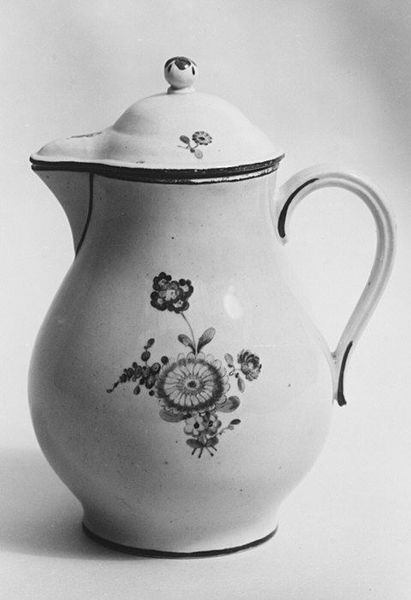
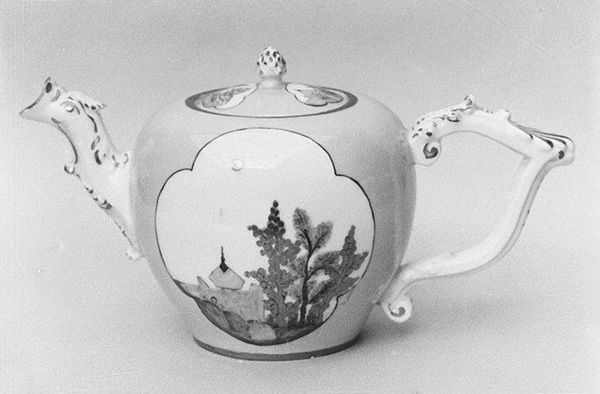
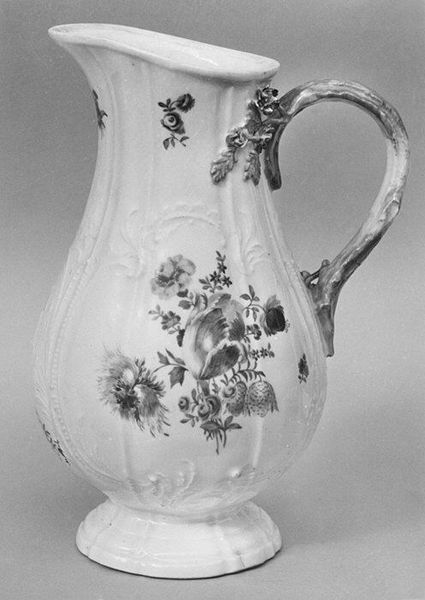
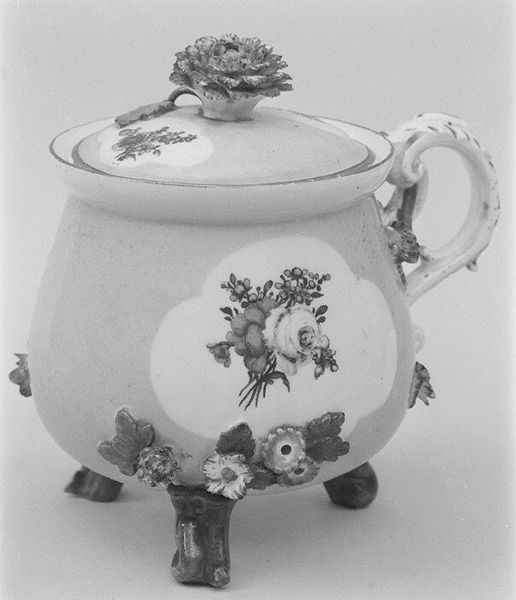
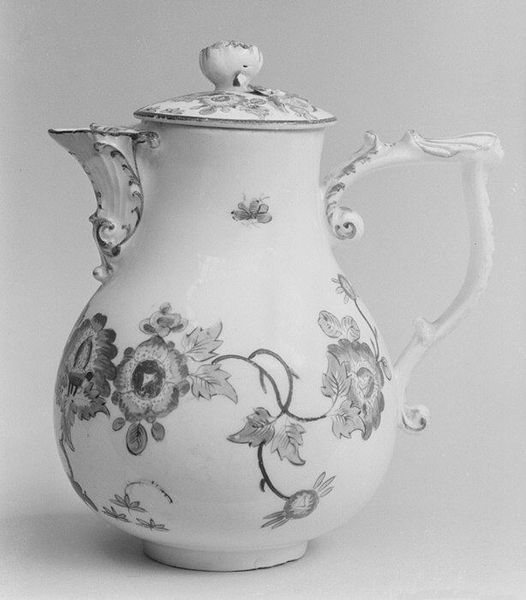
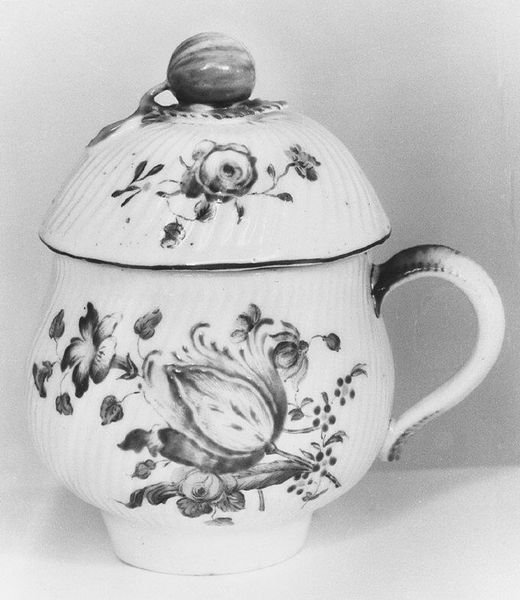
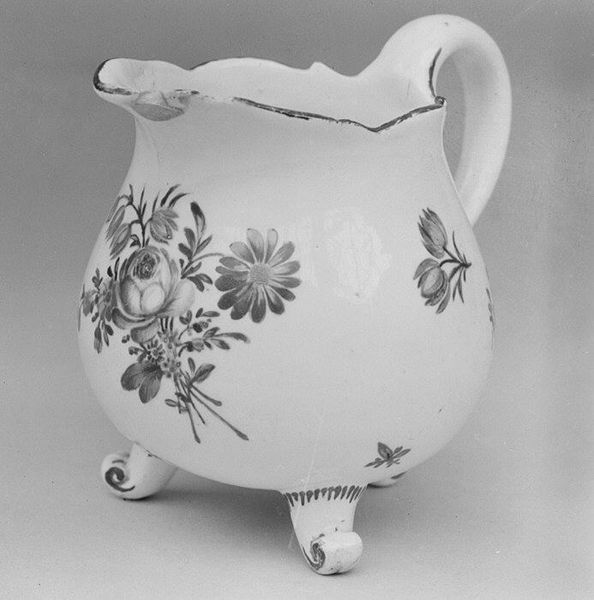
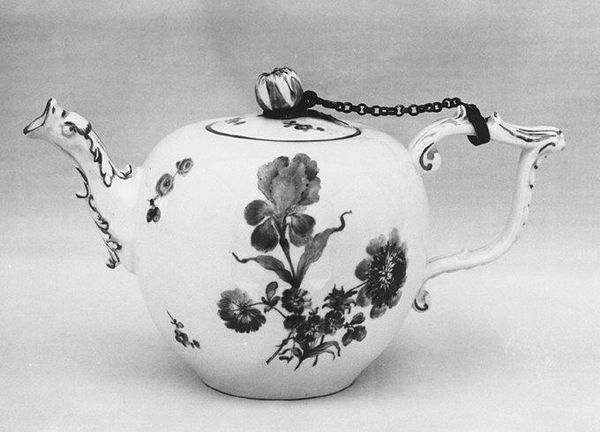
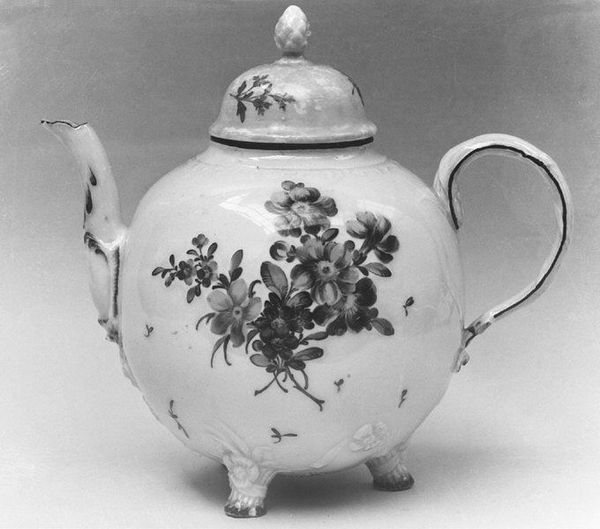
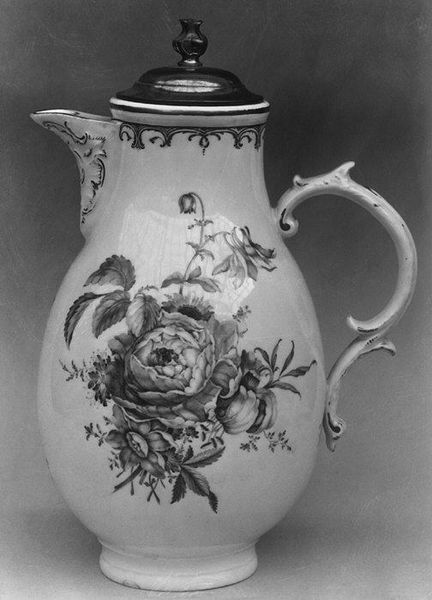
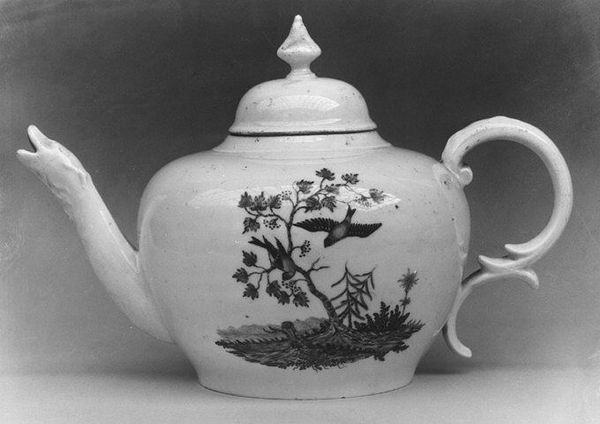
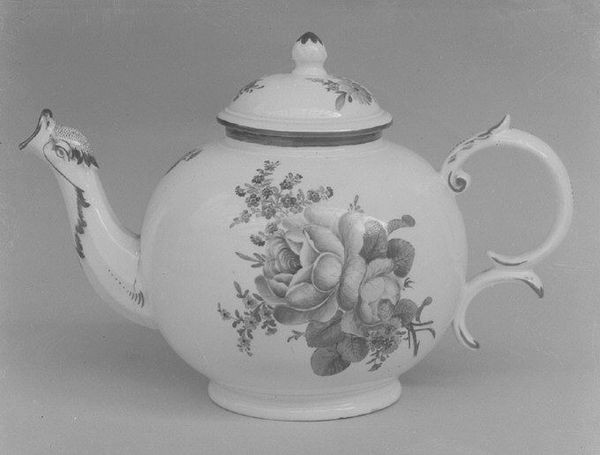
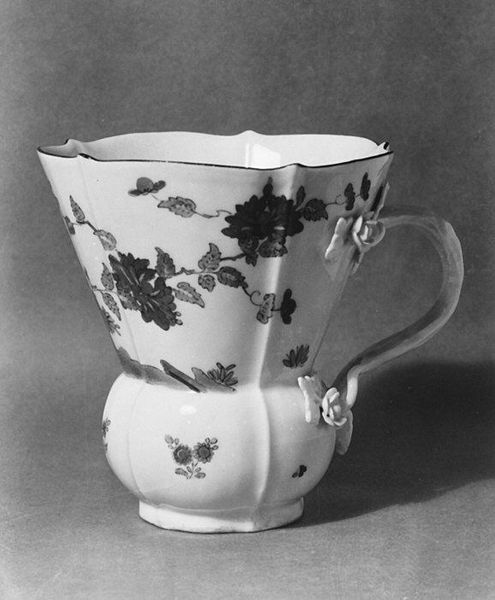
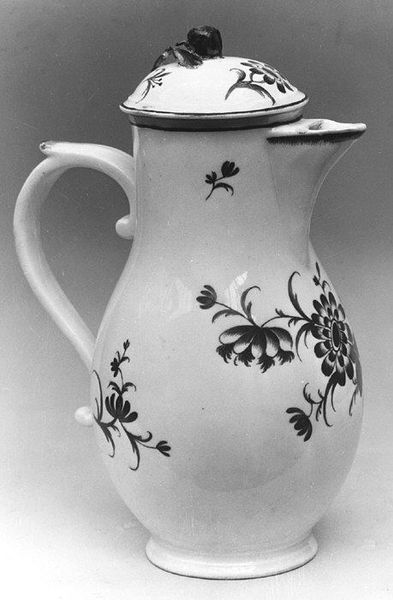
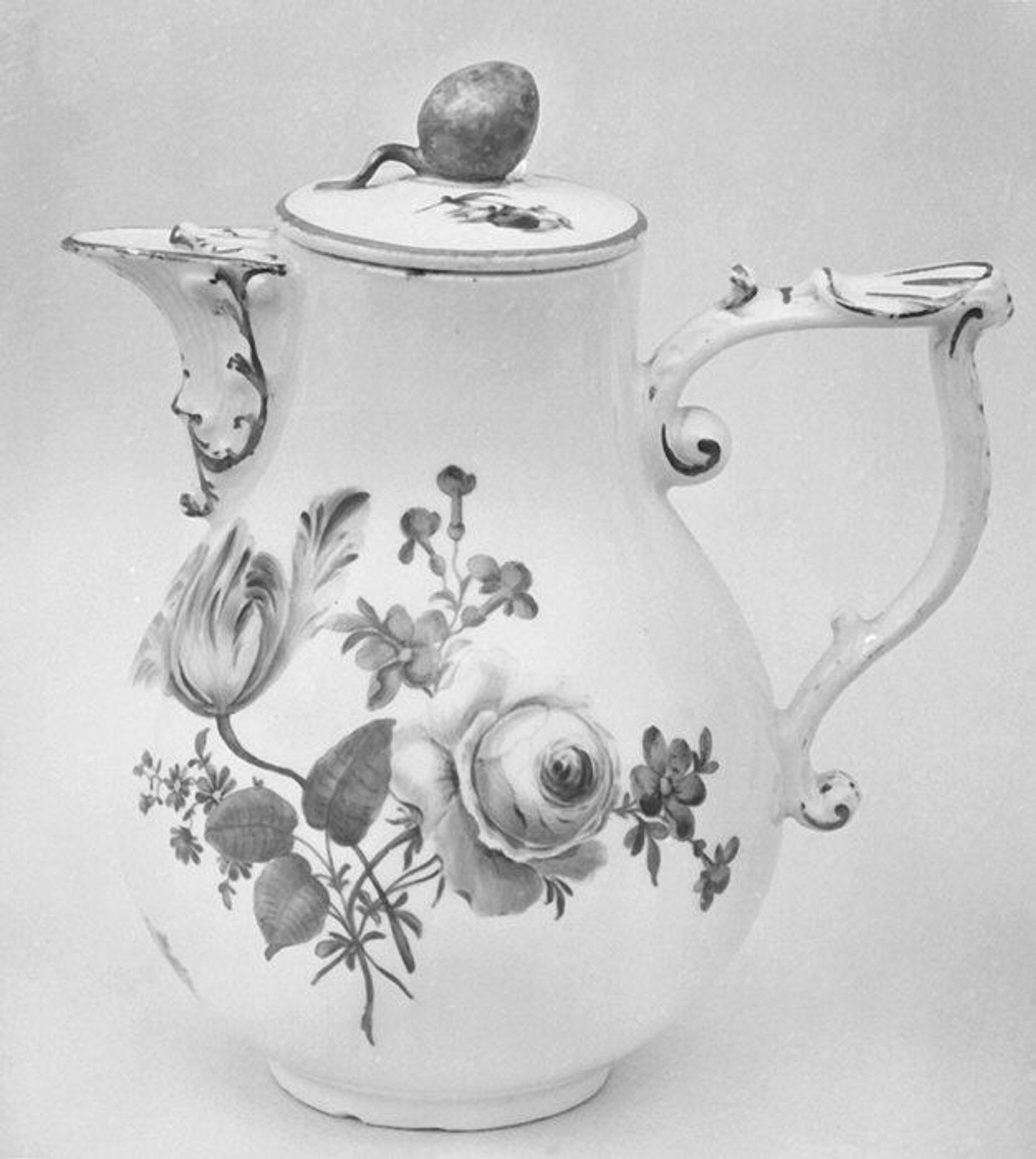
This coffeepot was produced at the Meissen Manufactory, likely in the 18th century, and it’s made of hard-paste porcelain. Porcelain's creation was a closely guarded secret, its production involved labor-intensive processes of mixing, shaping, firing, and hand-painting. Notice the floral decorations: these were carefully applied by skilled artisans, highlighting the valued nature of handcraftsmanship in an era of emerging industrial production. Porcelain was highly prized, a luxury item desired for its beauty and association with wealth and refinement. It served as a symbol of status, connecting the intimate rituals of daily life to wider systems of production and consumption. The coffeepot shows how artistry and labor were directly embedded in objects of everyday use, elevating them beyond mere functionality.
Coffeepot
1745 - 1755


Artwork details
- Medium
- ceramic, porcelain, sculpture
- Dimensions
- Height: 5 1/2 in. (14 cm)
- Location
- Metropolitan Museum of Art, New York, NY
- Copyright
- Public Domain
Tags
Comments
Share your thoughts
About this artwork
This coffeepot was produced at the Meissen Manufactory, likely in the 18th century, and it’s made of hard-paste porcelain. Porcelain's creation was a closely guarded secret, its production involved labor-intensive processes of mixing, shaping, firing, and hand-painting. Notice the floral decorations: these were carefully applied by skilled artisans, highlighting the valued nature of handcraftsmanship in an era of emerging industrial production. Porcelain was highly prized, a luxury item desired for its beauty and association with wealth and refinement. It served as a symbol of status, connecting the intimate rituals of daily life to wider systems of production and consumption. The coffeepot shows how artistry and labor were directly embedded in objects of everyday use, elevating them beyond mere functionality.
Comments
Share your thoughts