About this artwork
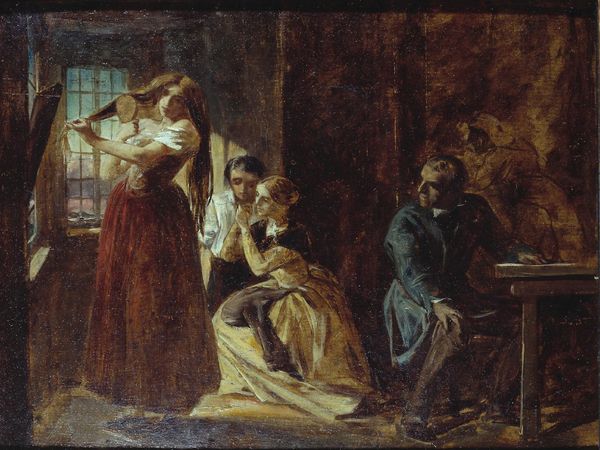
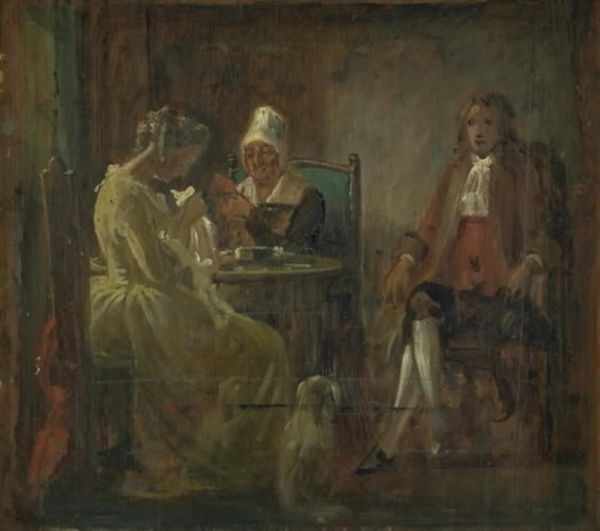
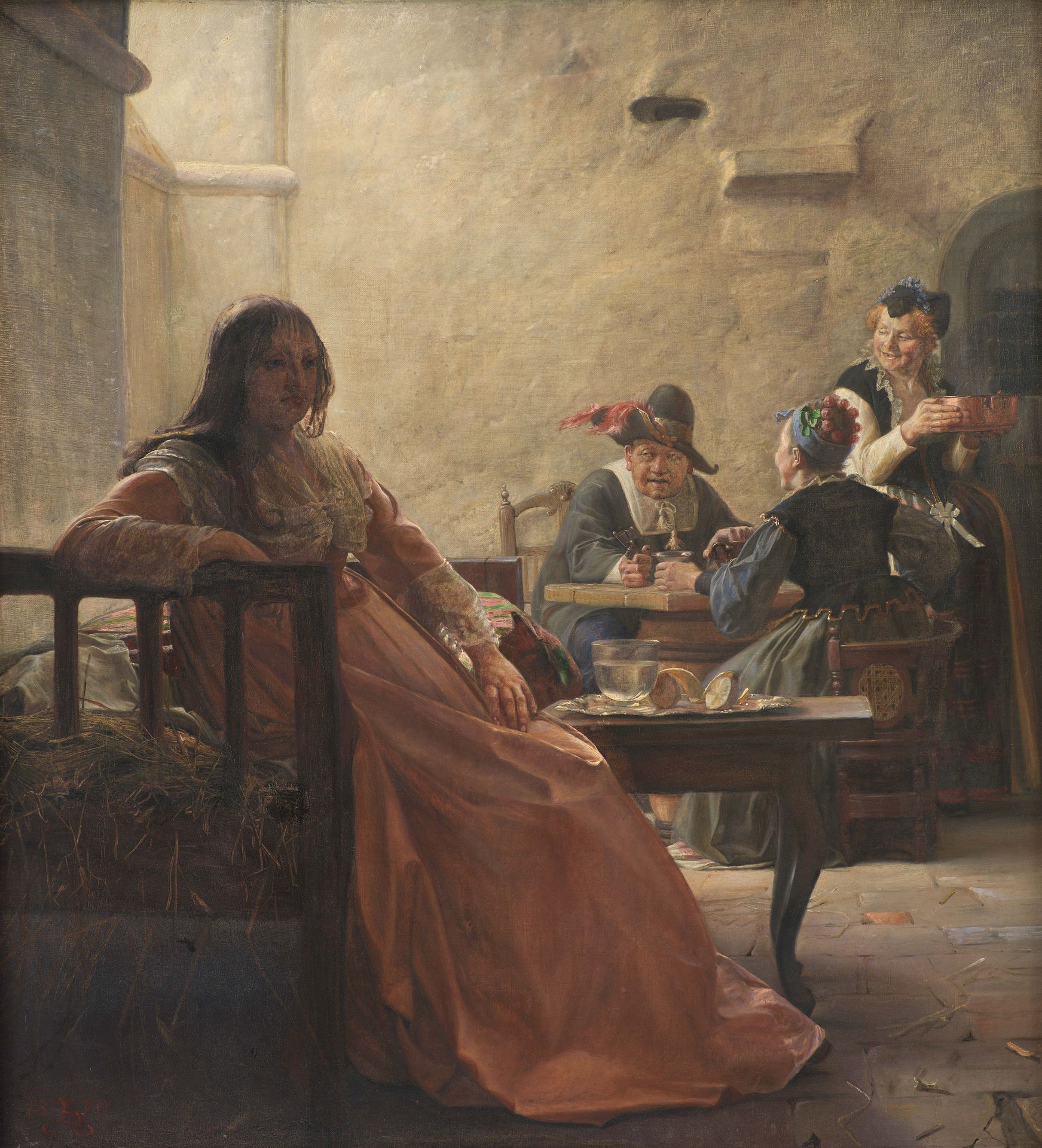
Kristian Zahrtmann painted "Leonora Christina in Prison" in Denmark sometime in the late 19th or early 20th century, using oil on canvas. It depicts the daughter of King Christian IV, imprisoned for treason. Zahrtmann uses the visual codes of Romanticism to portray Leonora as a tragic heroine. Yet, the painting also comments on the social structures of its time. The artist seems to critique the institutions of art themselves by calling attention to the fact that history is always a construction. Leonora’s story was well known in Denmark, and the painting invites viewers to consider the politics of imagery. Historical research into the Danish monarchy and the cultural context of 19th-century art institutions can help us to understand the painting better. Ultimately, this artwork prompts us to reflect on the meaning of art as something that is contingent on social and institutional contexts.
Leonora Christina in Prison 1870


Artwork details
- Dimensions
- 86.5 cm (height) x 78.5 cm (width) (Netto), 106.8 cm (height) x 98.7 cm (width) x 6.4 cm (depth) (Brutto)
- Location
- SMK - Statens Museum for Kunst
Comments
No comments
About this artwork
Kristian Zahrtmann painted "Leonora Christina in Prison" in Denmark sometime in the late 19th or early 20th century, using oil on canvas. It depicts the daughter of King Christian IV, imprisoned for treason. Zahrtmann uses the visual codes of Romanticism to portray Leonora as a tragic heroine. Yet, the painting also comments on the social structures of its time. The artist seems to critique the institutions of art themselves by calling attention to the fact that history is always a construction. Leonora’s story was well known in Denmark, and the painting invites viewers to consider the politics of imagery. Historical research into the Danish monarchy and the cultural context of 19th-century art institutions can help us to understand the painting better. Ultimately, this artwork prompts us to reflect on the meaning of art as something that is contingent on social and institutional contexts.
Comments
No comments