About this artwork
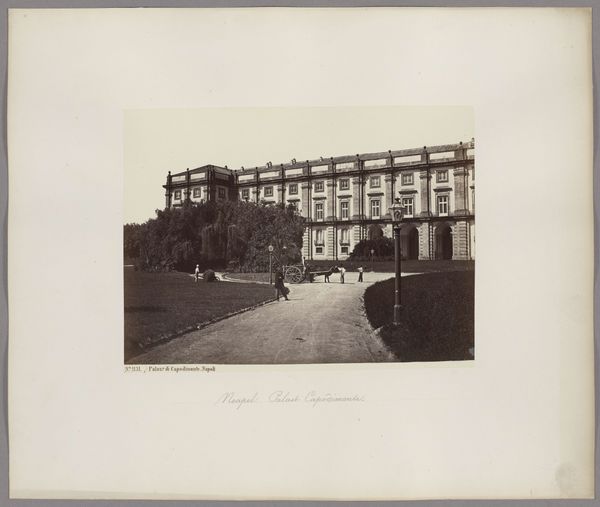
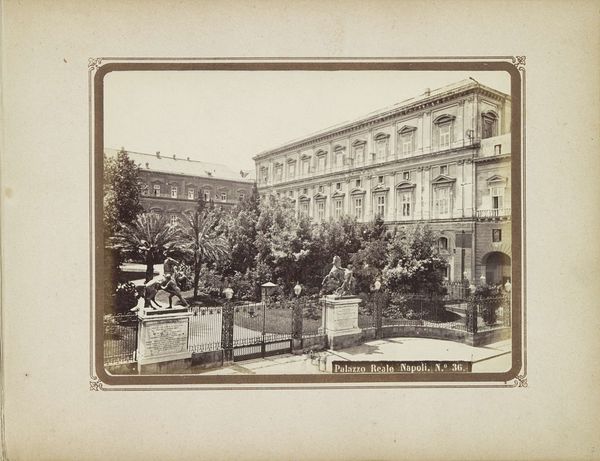
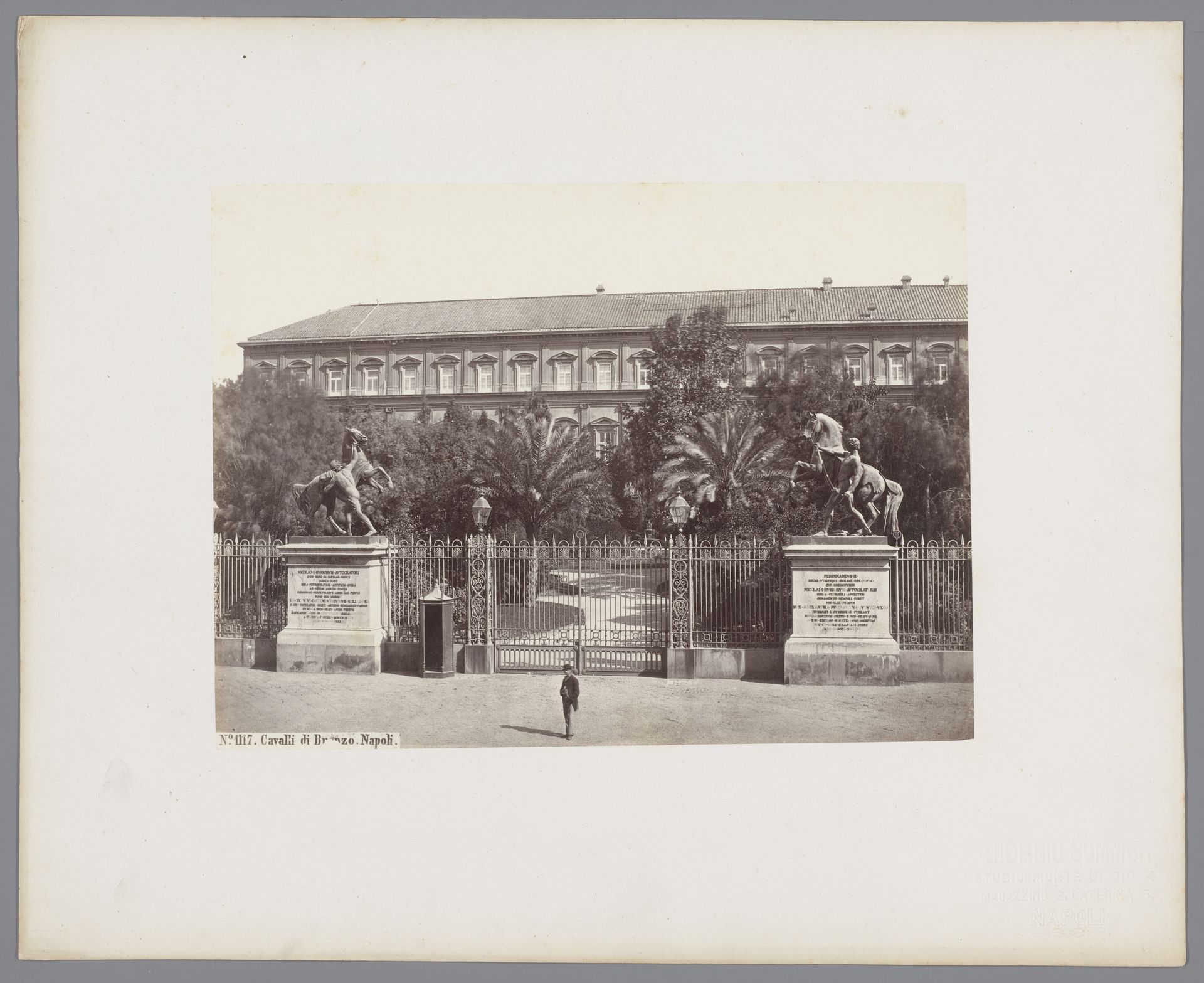
Giorgio Sommer captured the bronze horse sculptures at the entrance of the Royal Palace in Naples in this photograph. The rearing horse, a motif as old as antiquity, symbolizes power, virility, and control. We see echoes of this symbol across time, from the equestrian statues of Roman emperors to Renaissance depictions of triumphant leaders. Consider, for example, the Marcus Aurelius statue in Rome. The horse becomes a vessel, a tool for projecting authority. Yet, here in Naples, the restrained drama suggests a civilization grappling with its past glories. The horse, once a symbol of untamed strength, appears now as a cultivated symbol of dynastic power. This taming reflects our own psychological taming of primal instincts, channeled into the service of order and legacy. The symbol resurfaces, always transformed, a constant negotiation between the wild and the civilized, the past and the present.
Twee bronzen sculpturen van paarden bij de ingang van het koninklijk paleis te Napels, Italië
1856 - 1914

Giorgio Sommer
1834 - 1914Location
RijksmuseumArtwork details
- Dimensions
- height 180 mm, width 244 mm
- Location
- Rijksmuseum
- Copyright
- Rijks Museum: Open Domain
Comments
Share your thoughts
About this artwork
Giorgio Sommer captured the bronze horse sculptures at the entrance of the Royal Palace in Naples in this photograph. The rearing horse, a motif as old as antiquity, symbolizes power, virility, and control. We see echoes of this symbol across time, from the equestrian statues of Roman emperors to Renaissance depictions of triumphant leaders. Consider, for example, the Marcus Aurelius statue in Rome. The horse becomes a vessel, a tool for projecting authority. Yet, here in Naples, the restrained drama suggests a civilization grappling with its past glories. The horse, once a symbol of untamed strength, appears now as a cultivated symbol of dynastic power. This taming reflects our own psychological taming of primal instincts, channeled into the service of order and legacy. The symbol resurfaces, always transformed, a constant negotiation between the wild and the civilized, the past and the present.
Comments
Share your thoughts