About this artwork
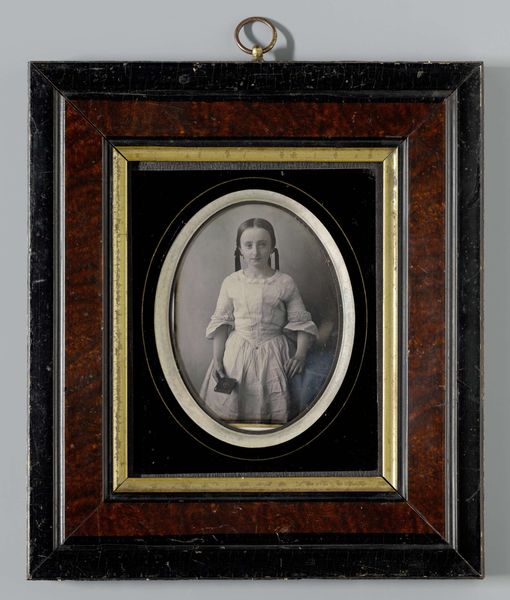
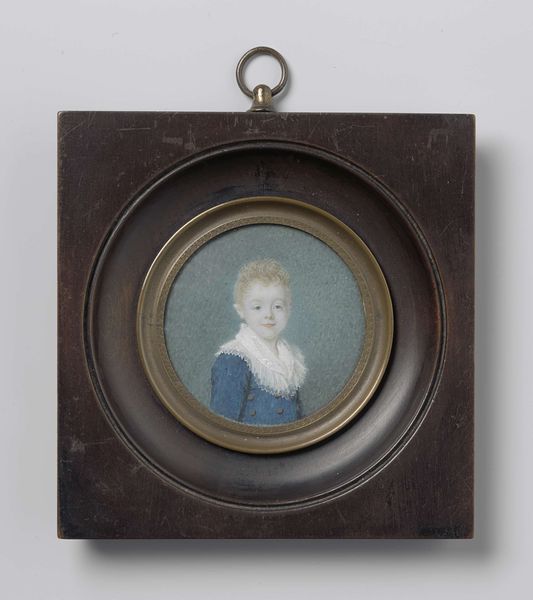
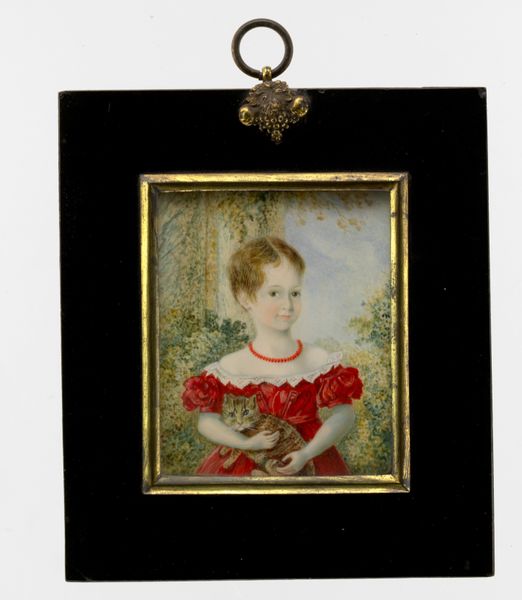
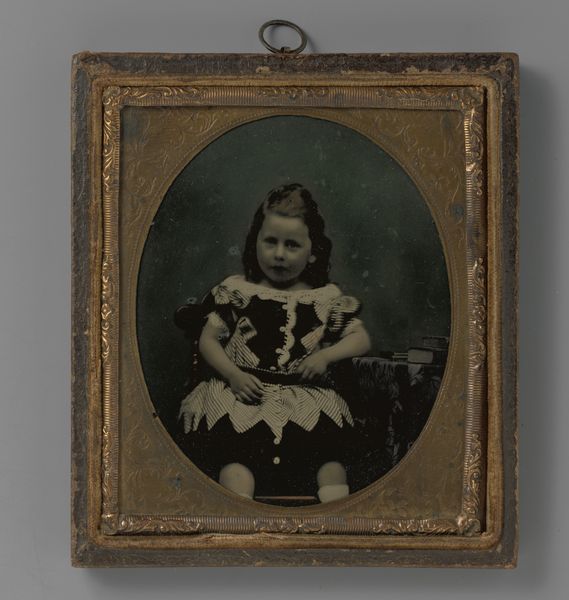
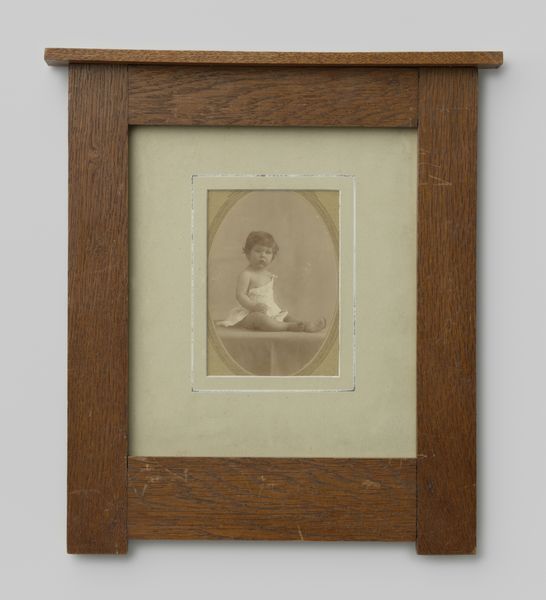
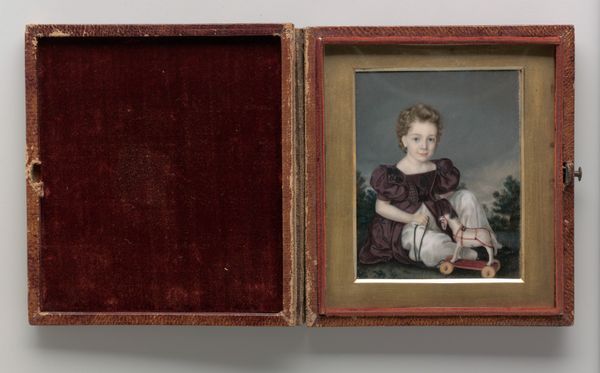
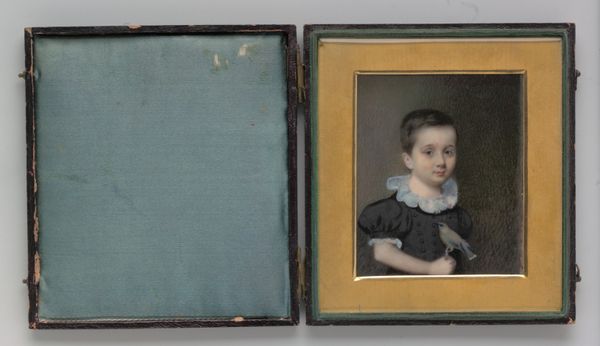
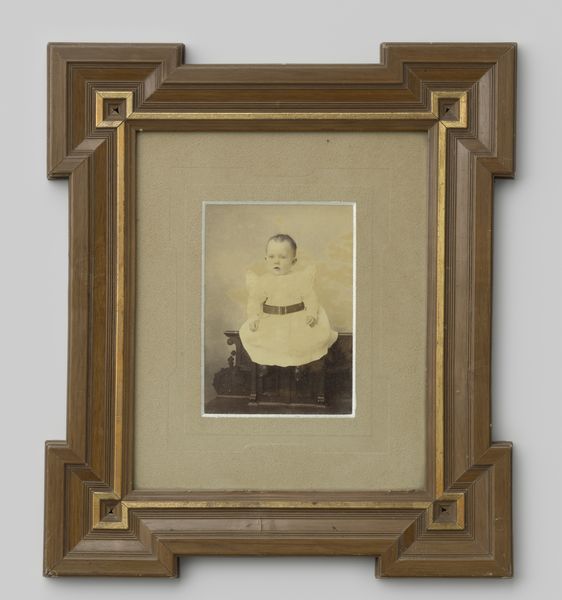
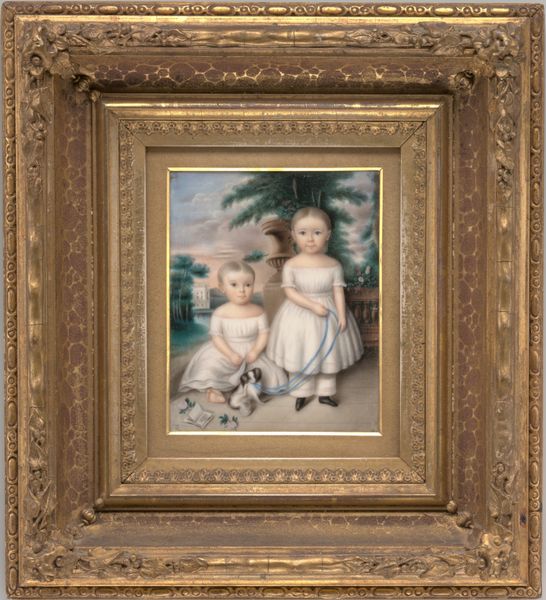
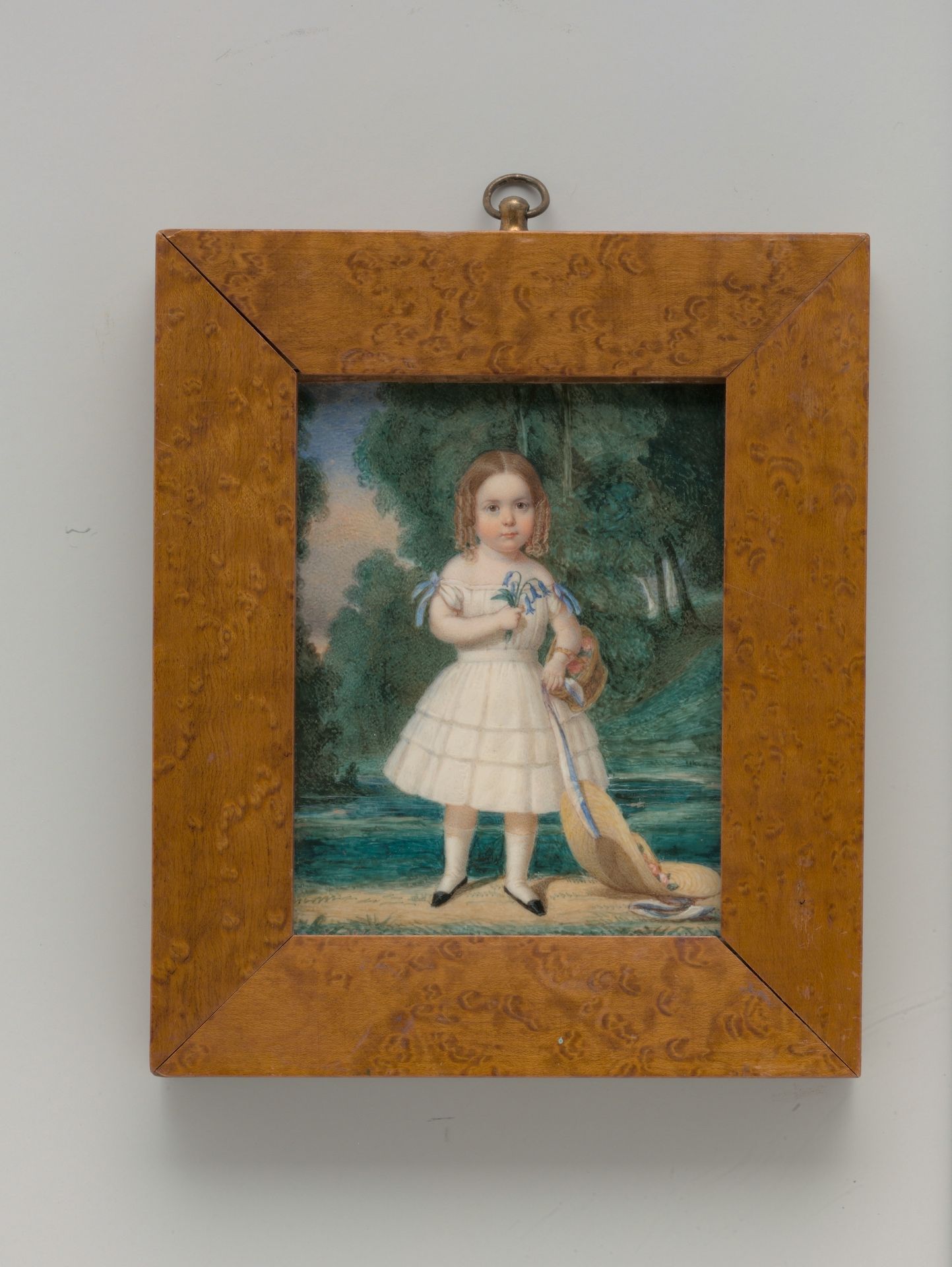
John Carlin captured Florine Turner with watercolor on ivory, and the artwork is a window into the complex world of 19th-century American portraiture. Carlin, who overcame hearing loss to become a successful artist, produced many miniatures that offer a glimpse into the lives of his subjects. The portrait depicts a young girl, likely from a privileged background, dressed in white, and holding flowers. Consider the identity of the sitter, and how gender and class are subtly performed. The whiteness of her dress, the flowers, the landscape, and the artist's delicate rendering all speak to a particular vision of femininity and childhood. The creation and reception of these images were deeply entwined with societal norms and values. The popularity of miniature portraits coincided with a growing middle class eager to emulate the customs of the elite. These small paintings became intimate keepsakes and emblems of social standing. This artwork reflects both the personal affection and broader societal aspirations of its time.
Florine Turner 1845


Artwork details
- Medium
- watercolor
- Dimensions
- 4 x 3 1/16 in. (10.1 x 7.8 cm)
- Location
- Metropolitan Museum of Art, New York, NY
- Copyright
- Public Domain
Tags
portrait
water colours
landscape
oil painting
watercolor
romanticism
mixed media
miniature
Comments
No comments
About this artwork
John Carlin captured Florine Turner with watercolor on ivory, and the artwork is a window into the complex world of 19th-century American portraiture. Carlin, who overcame hearing loss to become a successful artist, produced many miniatures that offer a glimpse into the lives of his subjects. The portrait depicts a young girl, likely from a privileged background, dressed in white, and holding flowers. Consider the identity of the sitter, and how gender and class are subtly performed. The whiteness of her dress, the flowers, the landscape, and the artist's delicate rendering all speak to a particular vision of femininity and childhood. The creation and reception of these images were deeply entwined with societal norms and values. The popularity of miniature portraits coincided with a growing middle class eager to emulate the customs of the elite. These small paintings became intimate keepsakes and emblems of social standing. This artwork reflects both the personal affection and broader societal aspirations of its time.
Comments
No comments