About this artwork
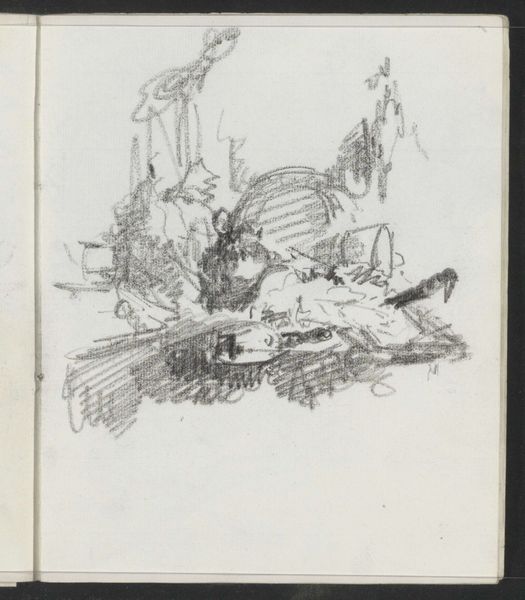
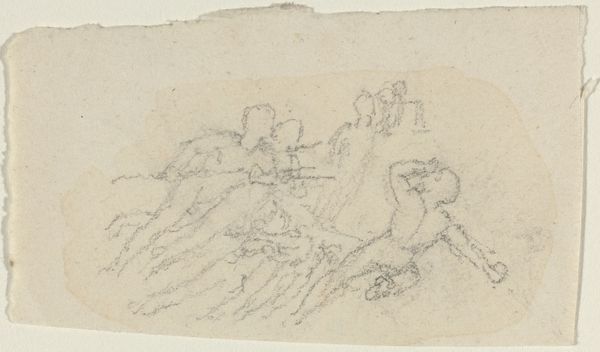
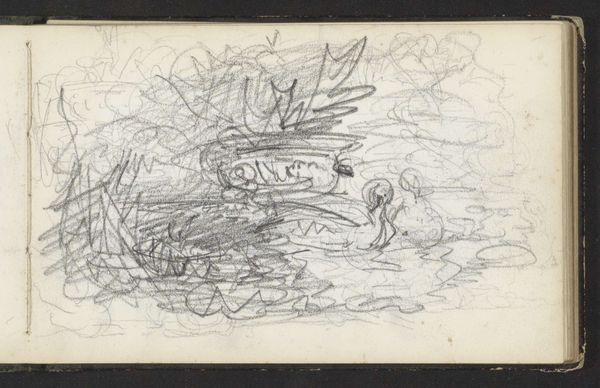
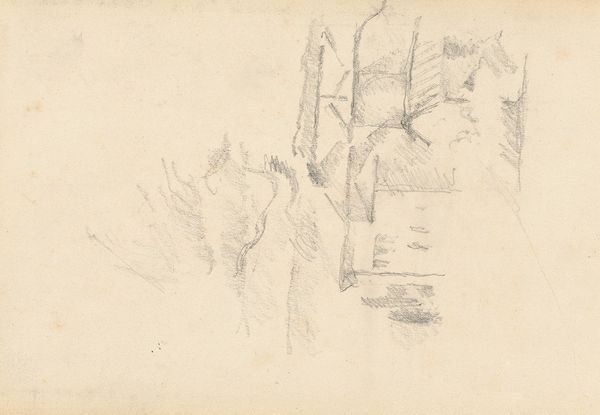
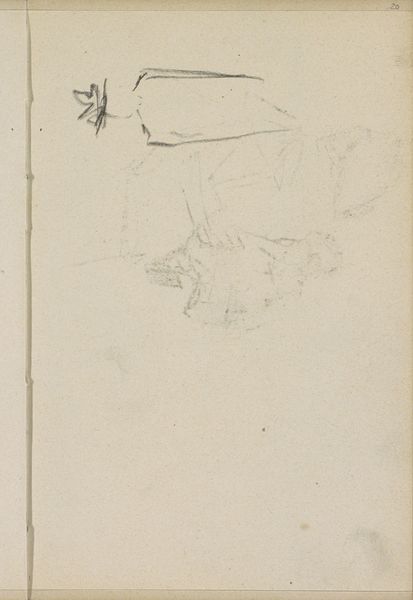
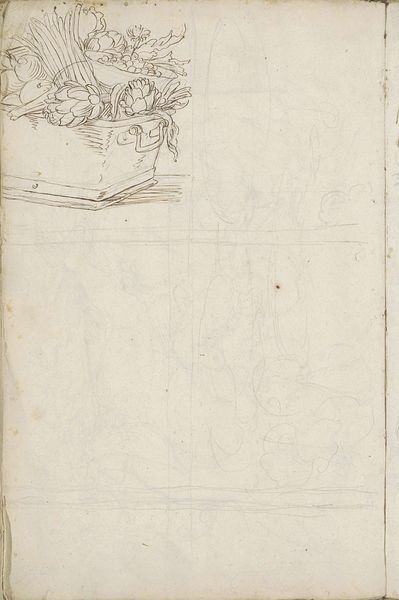
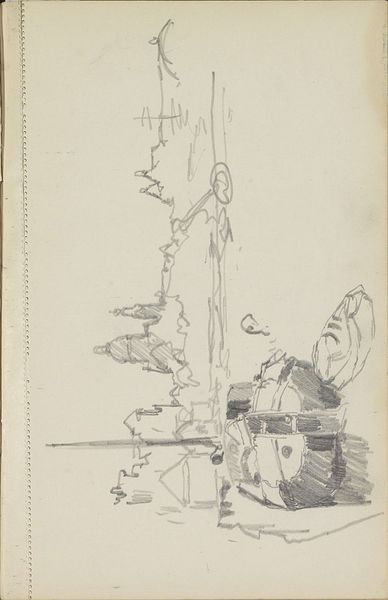
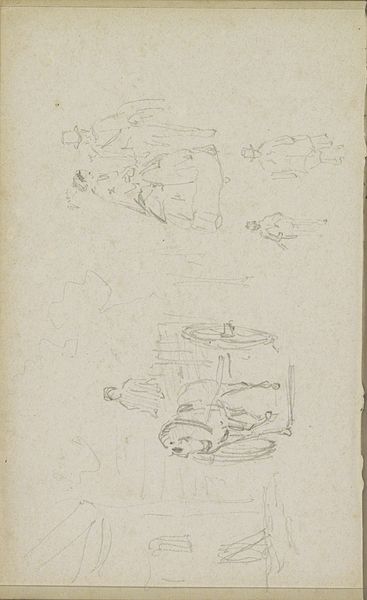
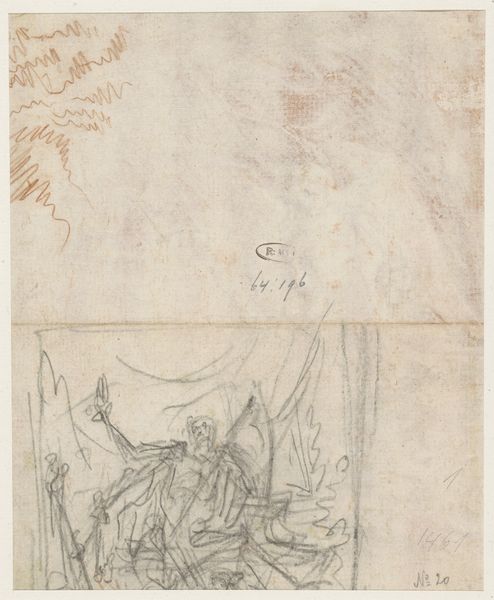
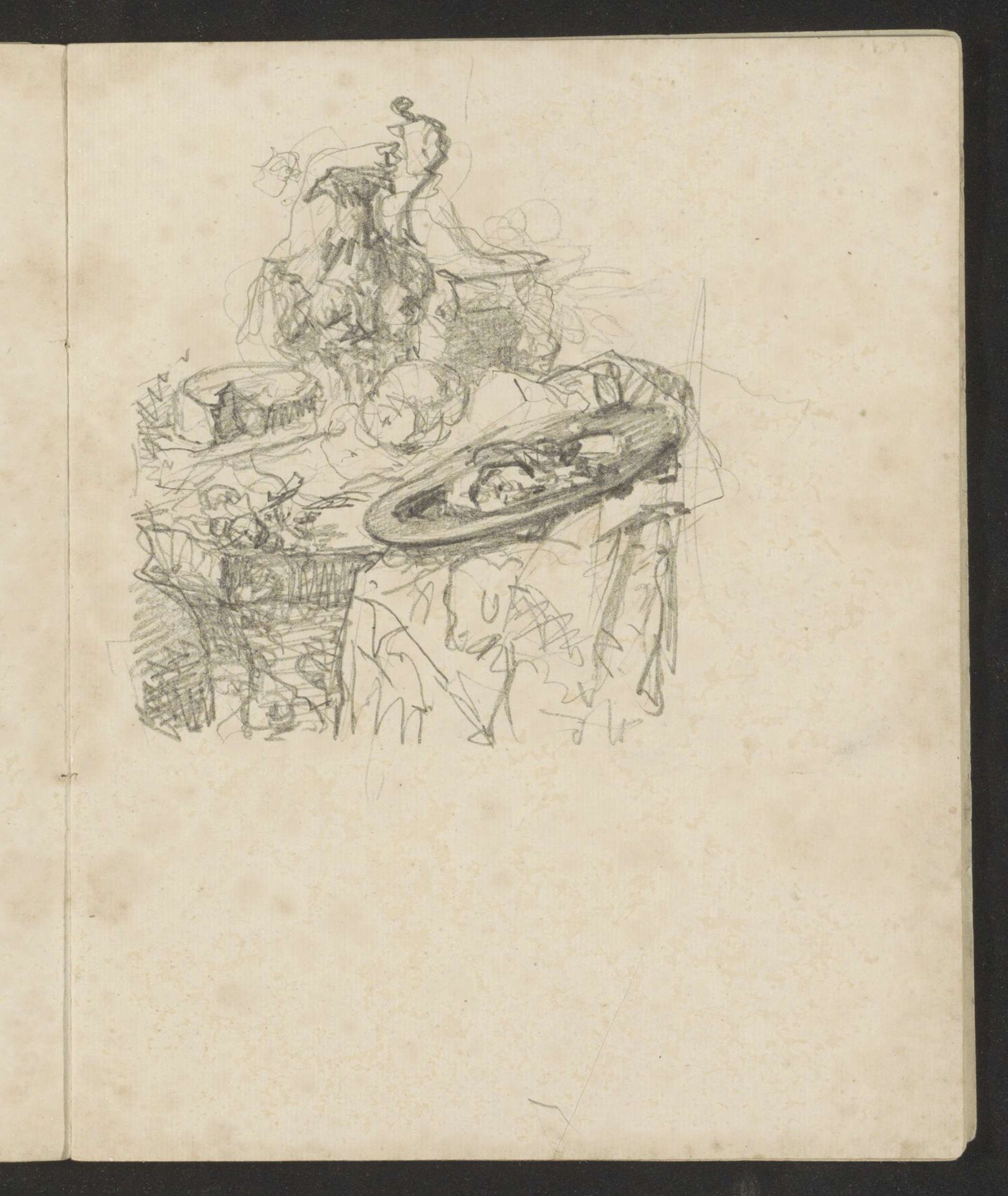
Maria Vos sketched this still life with scales of food on a table, capturing a scene rich with cultural echoes. The laden table, abundant with food, has appeared across centuries, from ancient Roman frescoes to Dutch Golden Age paintings. It is not merely about sustenance; it signifies prosperity, hospitality, and the transient nature of earthly pleasures. The food symbolizes life's fleeting moments and the inevitability of decay. Consider, too, the prominent placement of the dishes. Throughout history, vessels holding nourishment possess deep psychological resonance; they are the containers of life, echoing the maternal and nurturing aspects of the subconscious. This draws a link to ancient fertility rites, where offerings of food ensured the land's continued bounty. Vos' sketch captures more than a meal; it touches upon our collective memory of nourishment, abundance, and the cyclical nature of existence, resurfacing across epochs.
Stilleven met schalen met eten op een tafel
1834 - 1906

Maria Vos
1824 - 1906Location
RijksmuseumArtwork details
- Medium
- drawing, pencil
- Location
- Rijksmuseum
- Copyright
- Rijks Museum: Open Domain
Tags
Comments
Share your thoughts
About this artwork
Maria Vos sketched this still life with scales of food on a table, capturing a scene rich with cultural echoes. The laden table, abundant with food, has appeared across centuries, from ancient Roman frescoes to Dutch Golden Age paintings. It is not merely about sustenance; it signifies prosperity, hospitality, and the transient nature of earthly pleasures. The food symbolizes life's fleeting moments and the inevitability of decay. Consider, too, the prominent placement of the dishes. Throughout history, vessels holding nourishment possess deep psychological resonance; they are the containers of life, echoing the maternal and nurturing aspects of the subconscious. This draws a link to ancient fertility rites, where offerings of food ensured the land's continued bounty. Vos' sketch captures more than a meal; it touches upon our collective memory of nourishment, abundance, and the cyclical nature of existence, resurfacing across epochs.
Comments
Share your thoughts