About this artwork
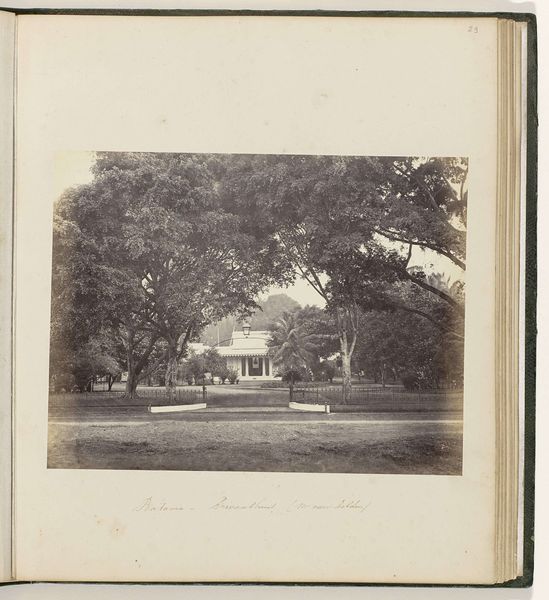
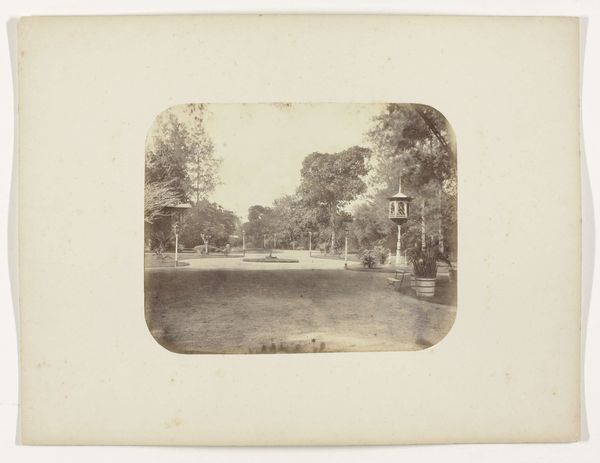
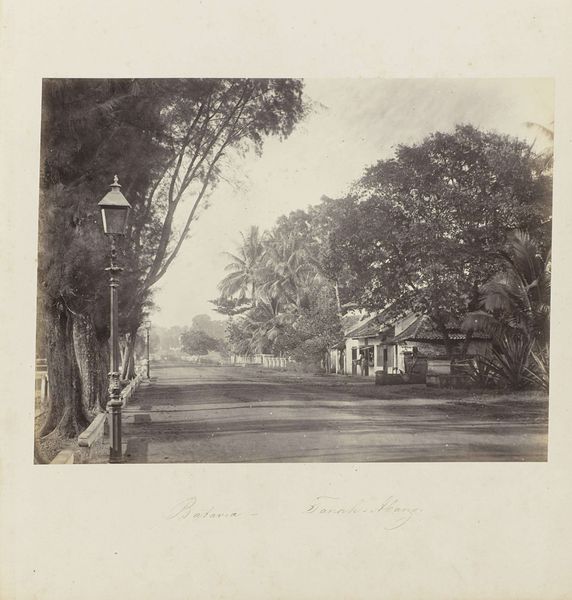
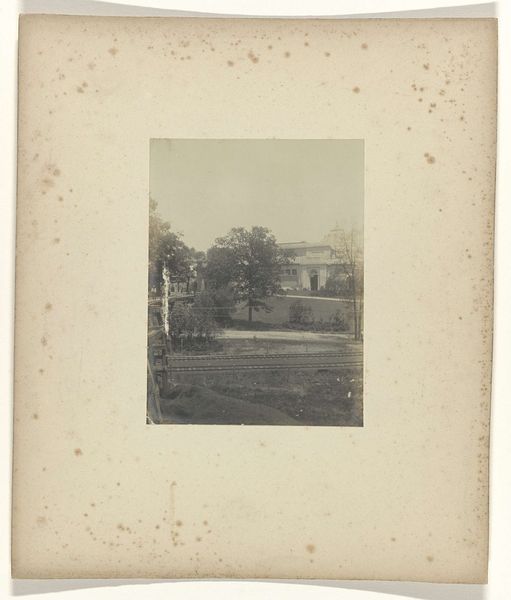
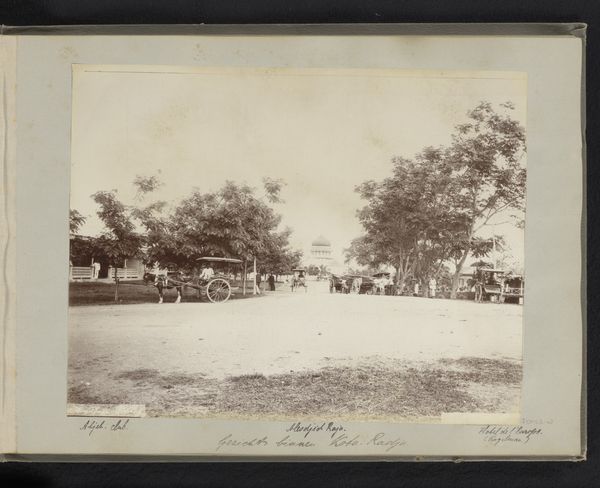
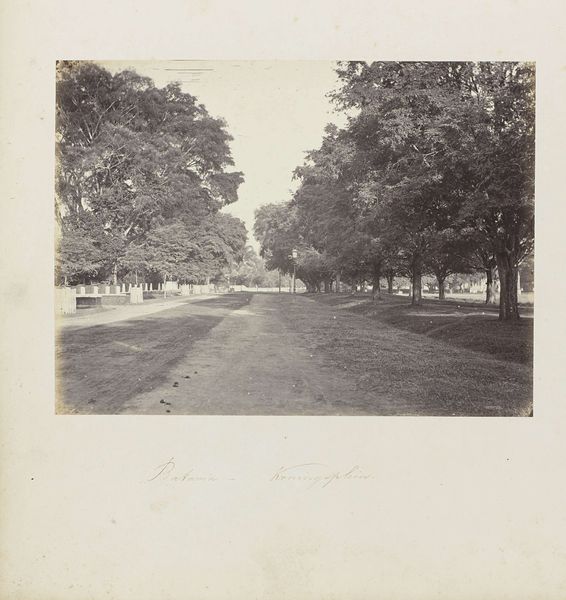
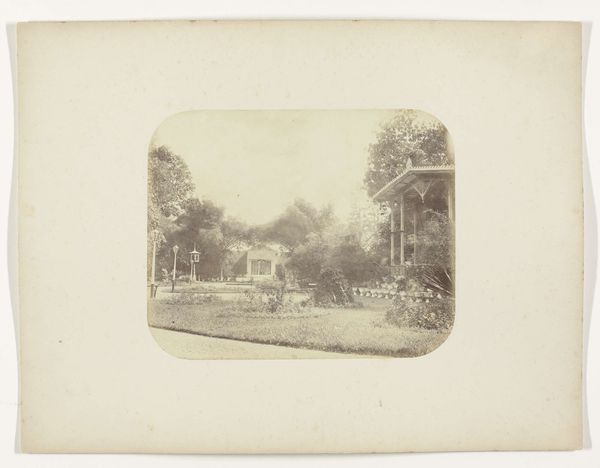
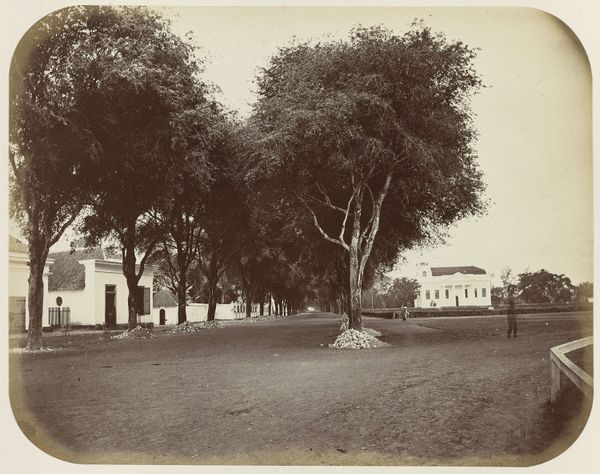
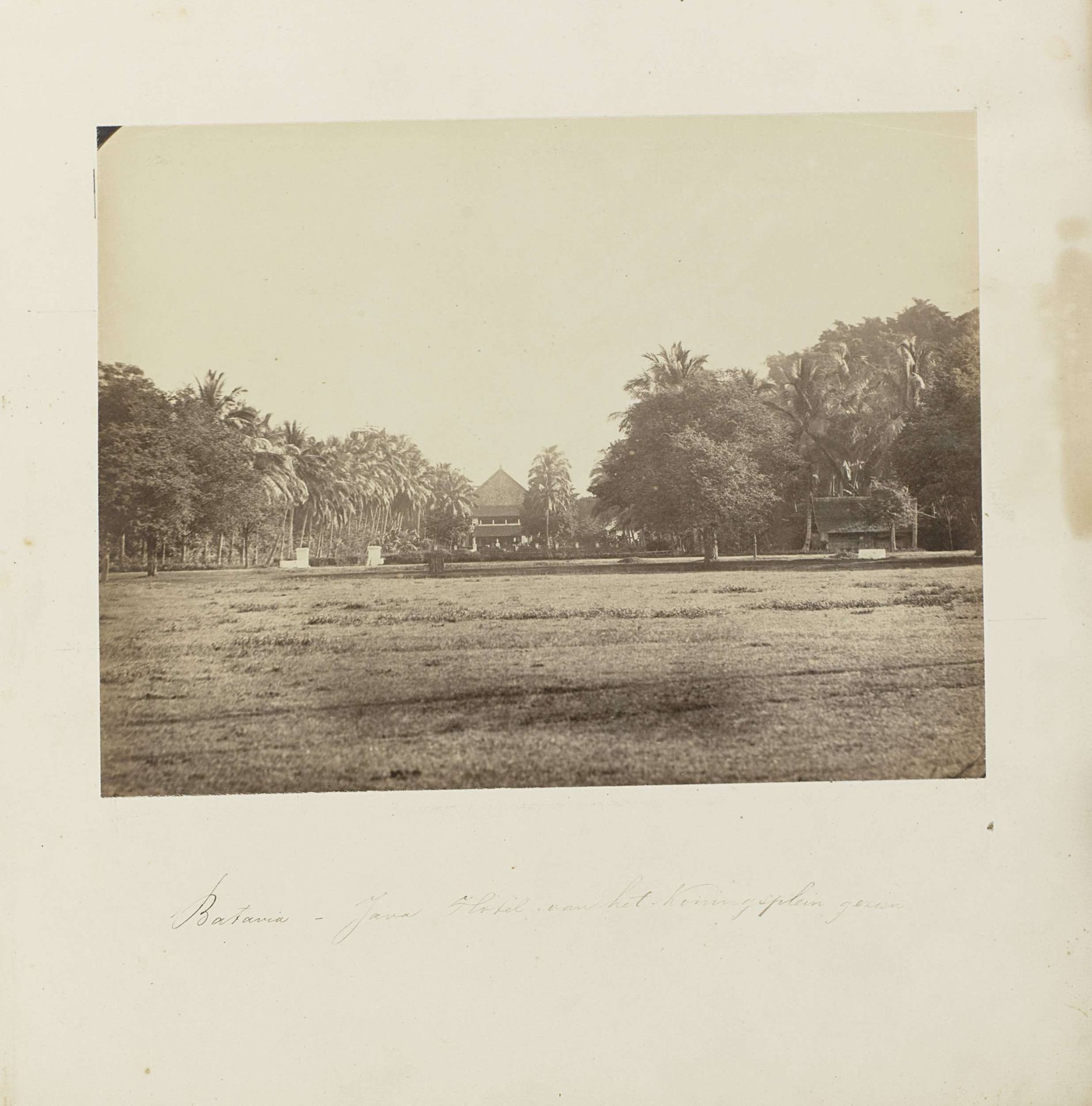
This photograph, titled "Batavia - Java Hotel van het Koningsplein gezien", was taken by Woodbury & Page. The image portrays a hotel in Batavia, now Jakarta, during the Dutch colonial era. The photograph is a window into the complex, and often fraught, relationship between colonizer and colonized. As a commercial photography studio, Woodbury & Page catered to a European clientele, shaping perceptions of Java and its people. The hotel itself would have been a space of both luxury and exclusion, reflecting the racial and class hierarchies of the time. The manicured landscape and imposing architecture speak to the colonizer's attempts to impose order and European sensibilities onto the Indonesian landscape. The photograph invites us to consider the perspectives and experiences of those who are absent from the frame. In what ways does this image serve to legitimize colonial power? What alternative narratives might be offered?
Batavia - Java Hotel van het Koningsplein gezien
1863 - 1866

Woodbury & Page
@woodburypageLocation
RijksmuseumArtwork details
- Medium
- print, photography
- Dimensions
- height 185 mm, width 238 mm
- Location
- Rijksmuseum
- Copyright
- Rijks Museum: Open Domain
Tags
Comments
Share your thoughts
About this artwork
This photograph, titled "Batavia - Java Hotel van het Koningsplein gezien", was taken by Woodbury & Page. The image portrays a hotel in Batavia, now Jakarta, during the Dutch colonial era. The photograph is a window into the complex, and often fraught, relationship between colonizer and colonized. As a commercial photography studio, Woodbury & Page catered to a European clientele, shaping perceptions of Java and its people. The hotel itself would have been a space of both luxury and exclusion, reflecting the racial and class hierarchies of the time. The manicured landscape and imposing architecture speak to the colonizer's attempts to impose order and European sensibilities onto the Indonesian landscape. The photograph invites us to consider the perspectives and experiences of those who are absent from the frame. In what ways does this image serve to legitimize colonial power? What alternative narratives might be offered?
Comments
Share your thoughts