About this artwork
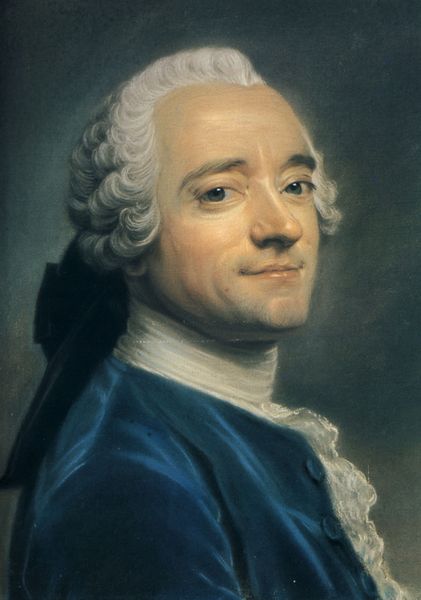
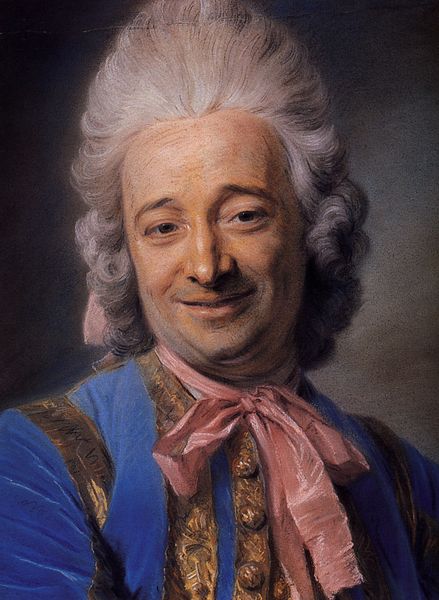
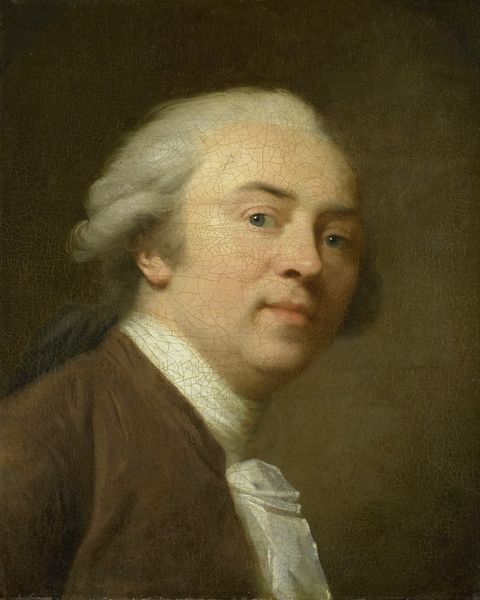
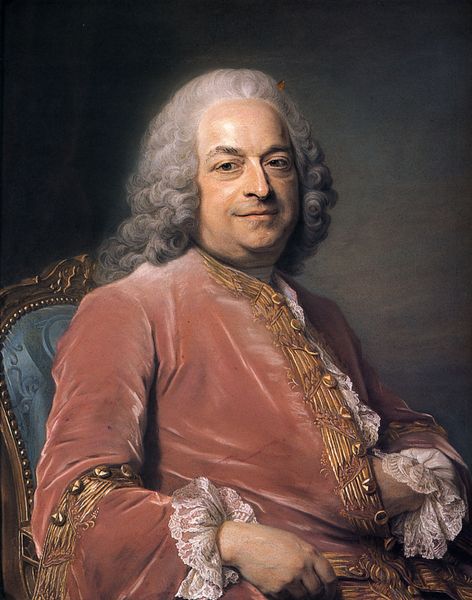
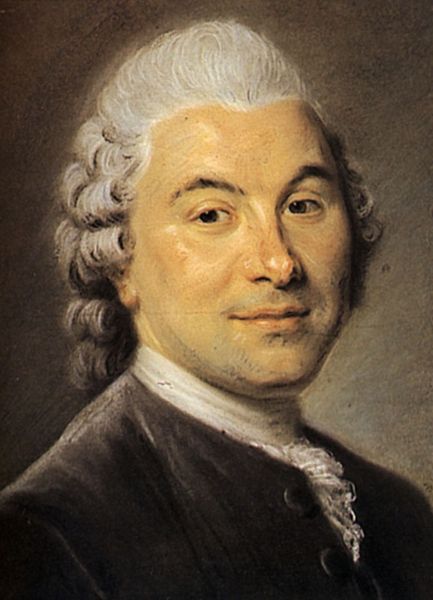
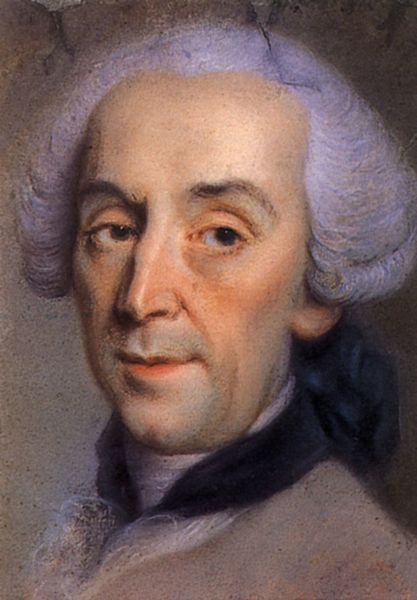
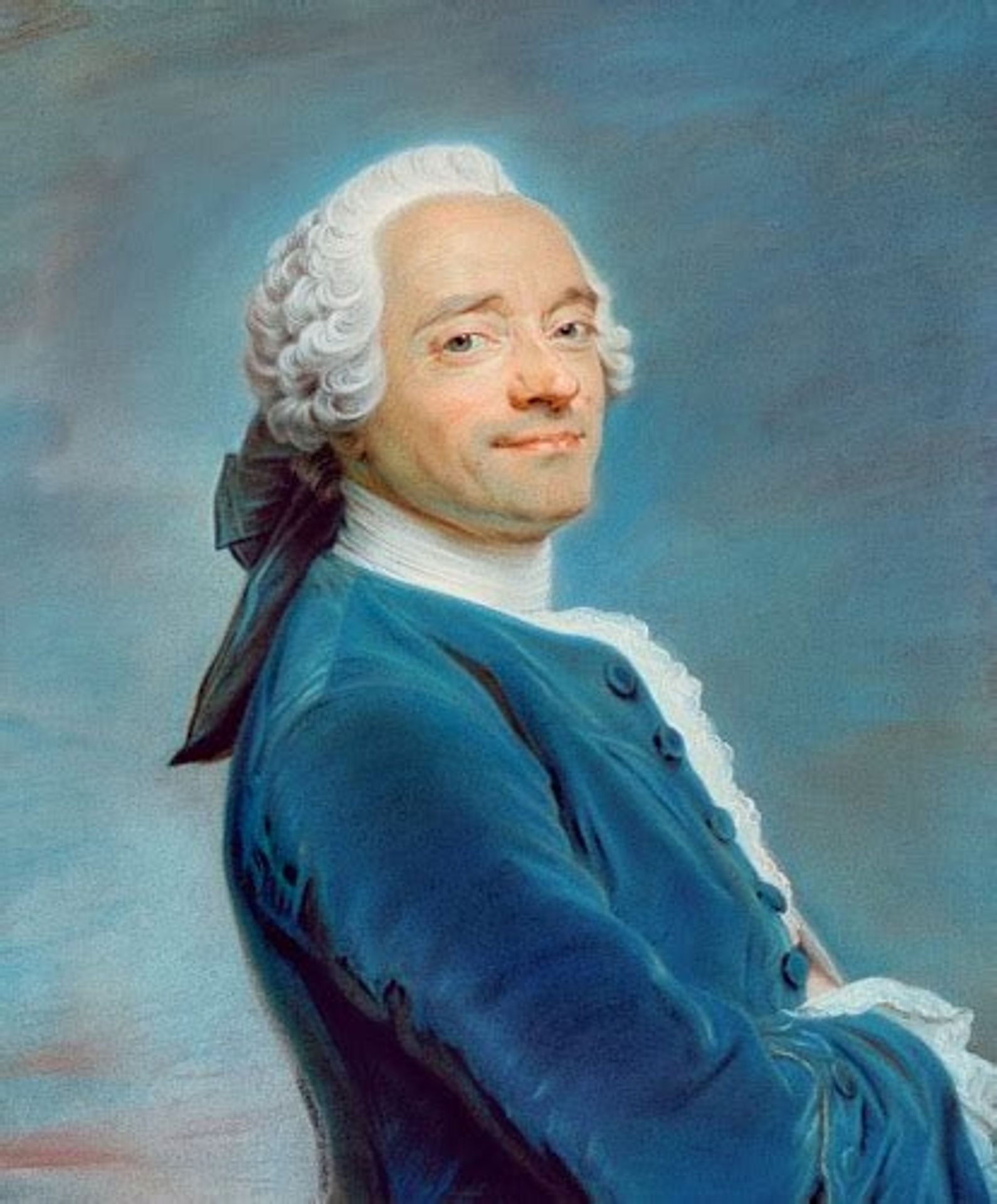
"Self-Portrait with Frill" was created by Maurice Quentin de La Tour sometime in the 18th century. La Tour was at the height of his artistic powers, and he created this portrait during a period when portraiture was essential for the aristocracy and the bourgeoisie to assert their status and identity. Note the soft rendering, the easy gaze, and the powdered wig. How does La Tour represent himself? What can we gather from the elegant frill and stylish blue jacket? La Tour was known for capturing the personality of his sitters, and here he presents himself as a confident and successful artist, deeply embedded within the cultural milieu of his time. His attention to detail and the subtle expression of his eyes invite us to consider the gaze, not just of the artist towards himself, but his invitation for the audience to gaze back. The image remains a powerful statement about the artist's identity, skill, and place in society.
Self-Portrait with Frill
1751

Maurice Quentin de La Tour
1704 - 1788Location
Musée de Picardie, Amiens, FranceArtwork details
- Medium
- drawing, pastel
- Location
- Musée de Picardie, Amiens, France
- Copyright
- Public domain
Tags
Comments
Share your thoughts
About this artwork
"Self-Portrait with Frill" was created by Maurice Quentin de La Tour sometime in the 18th century. La Tour was at the height of his artistic powers, and he created this portrait during a period when portraiture was essential for the aristocracy and the bourgeoisie to assert their status and identity. Note the soft rendering, the easy gaze, and the powdered wig. How does La Tour represent himself? What can we gather from the elegant frill and stylish blue jacket? La Tour was known for capturing the personality of his sitters, and here he presents himself as a confident and successful artist, deeply embedded within the cultural milieu of his time. His attention to detail and the subtle expression of his eyes invite us to consider the gaze, not just of the artist towards himself, but his invitation for the audience to gaze back. The image remains a powerful statement about the artist's identity, skill, and place in society.
Comments
Share your thoughts