About this artwork
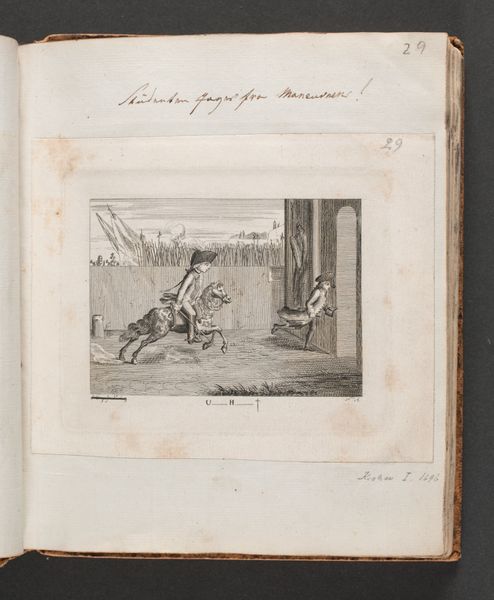
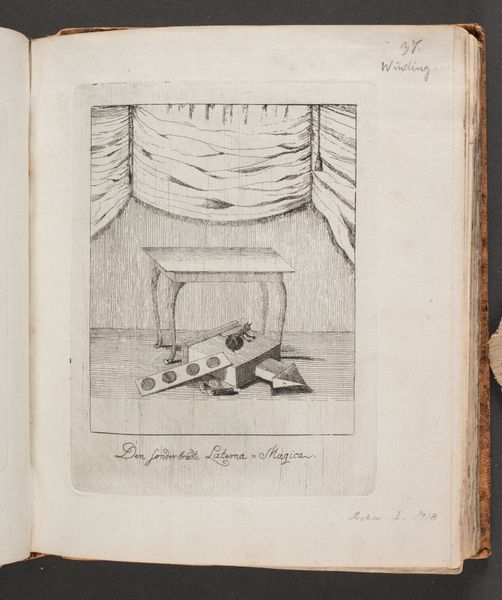
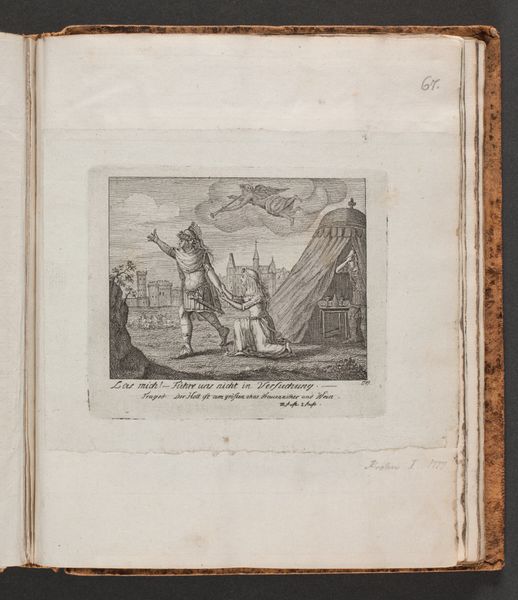
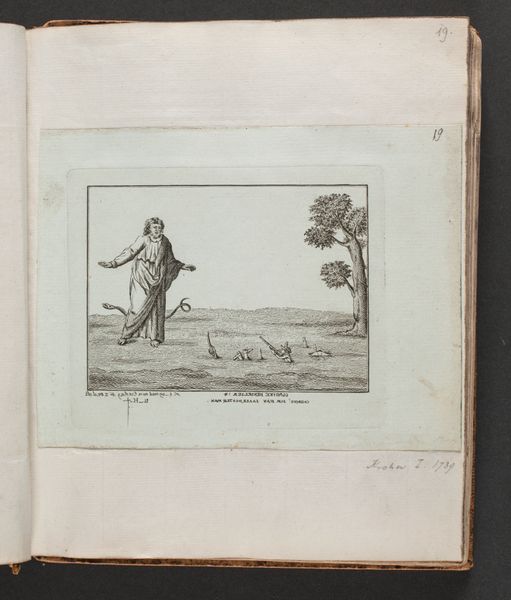
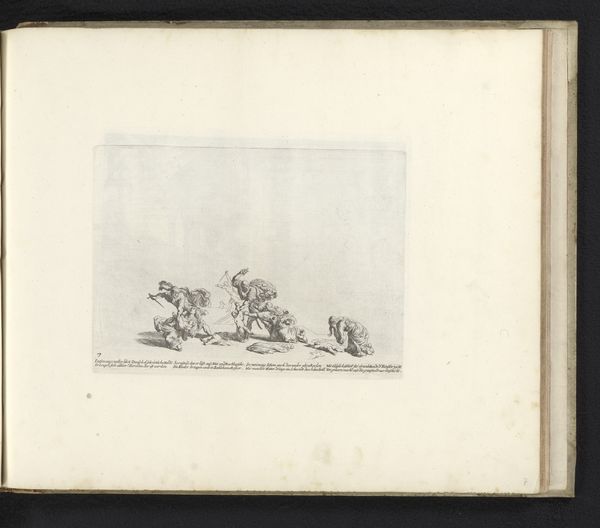
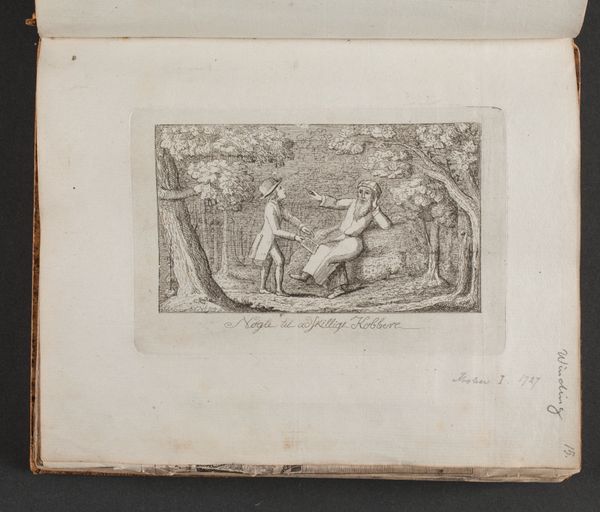
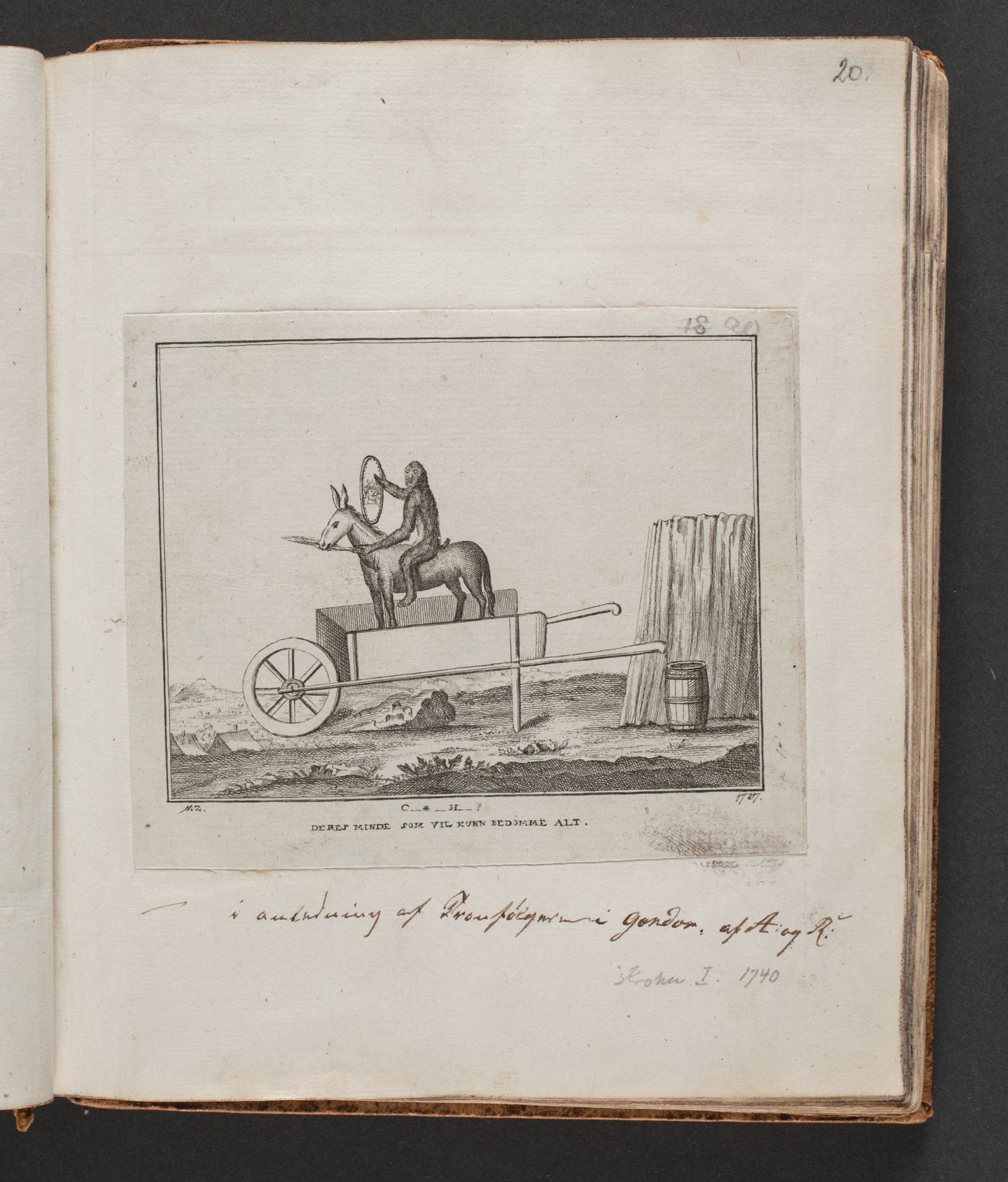
This etching, titled "Deres minde som vil kunn bedømme alt" Nr. 2, was made anonymously around 1740. It is an intriguing work, primarily due to its reliance on line. We can imagine the repetitive, careful labor required to create the image; the controlled, precise application of acid to the plate to yield the design. The subject matter is also intriguing, depicting an ass inside a wheelbarrow, and a figure riding on its back, blindfolding it. This imagery is not easily decipherable, but the very process of etching speaks volumes about the social context in which it was made. Etching, with its origins in the armorer’s workshop, had become a popular medium for disseminating images, playing a crucial role in circulating knowledge and satire. The amount of work involved in this production process underlines the importance of skilled craftsmanship in shaping and communicating ideas, challenging distinctions between fine art and craft.
"Deres minde som vil kunn bedømme alt" Nr. 2
1787


Artwork details
- Medium
- drawing, coloured-pencil, print, etching, pen, engraving
- Dimensions
- 115 mm (height) x 140 mm (width) (plademaal)
- Location
- SMK - Statens Museum for Kunst
Tags
drawing
coloured-pencil
narrative-art
etching
landscape
figuration
coloured pencil
pen
history-painting
academic-art
engraving
Comments
Be the first to share your thoughts about this work.
About this artwork
This etching, titled "Deres minde som vil kunn bedømme alt" Nr. 2, was made anonymously around 1740. It is an intriguing work, primarily due to its reliance on line. We can imagine the repetitive, careful labor required to create the image; the controlled, precise application of acid to the plate to yield the design. The subject matter is also intriguing, depicting an ass inside a wheelbarrow, and a figure riding on its back, blindfolding it. This imagery is not easily decipherable, but the very process of etching speaks volumes about the social context in which it was made. Etching, with its origins in the armorer’s workshop, had become a popular medium for disseminating images, playing a crucial role in circulating knowledge and satire. The amount of work involved in this production process underlines the importance of skilled craftsmanship in shaping and communicating ideas, challenging distinctions between fine art and craft.
Comments
Be the first to share your thoughts about this work.