1606 - 1680
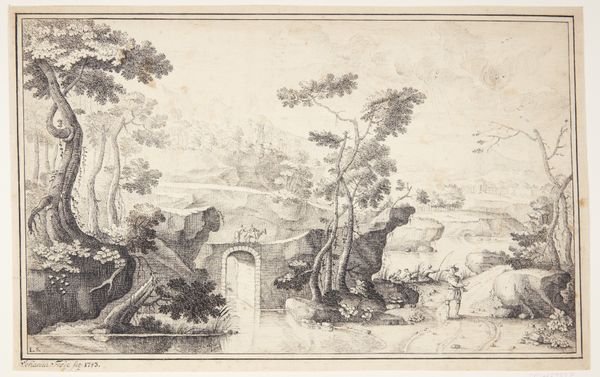
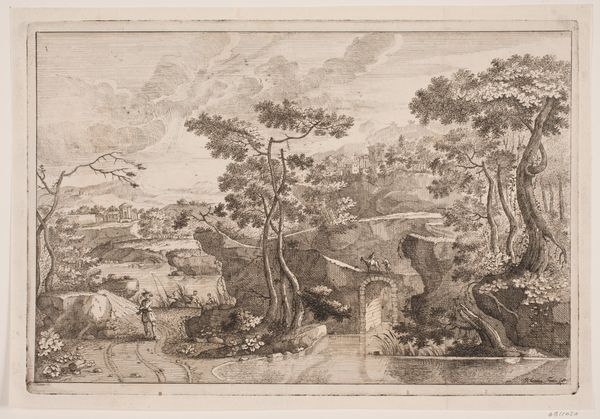
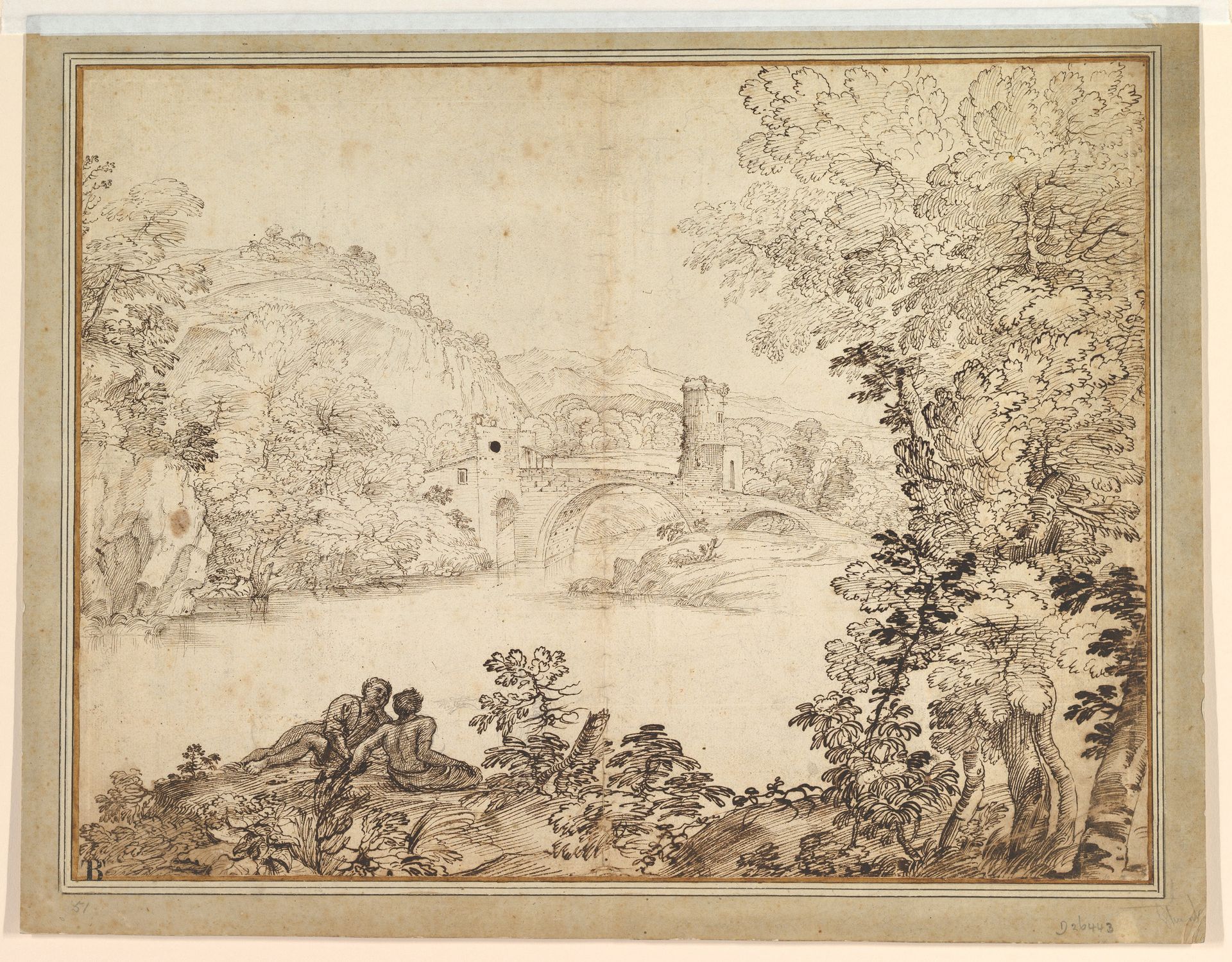
Landscape with a Bridge and Two Figures

Giovanni Francesco Grimaldi
1606 - 1680
The Metropolitan Museum of Art
Metropolitan Museum of Art, New York, NYListen to curator's interpretation
Curatorial notes
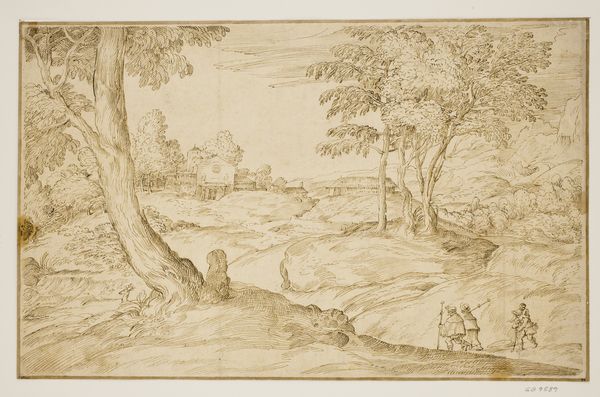
This landscape drawing was created by Giovanni Francesco Grimaldi in the 17th century. At its heart, the bridge represents connection. However, it's not merely a physical one; it symbolizes the link between the earthly and the divine, the conscious and unconscious, much like the archways found in ancient Roman structures. Consider the bridge motif; it echoes across time. You'll see it in medieval tapestries or even hear of it in Norse mythology as the Bifröst, the rainbow bridge. Across civilizations, the bridge is present in our collective memory. This symbol appears as a recurrent dream, illustrating our human desire to overcome divides. In Grimaldi's work, it is not just about physical passage. The bridge stirs a sense of wonder, a longing to connect with something greater, echoing in our deepest subconscious. It is an example of how motifs survive, evolve, and repeatedly resurface throughout history.