About this artwork
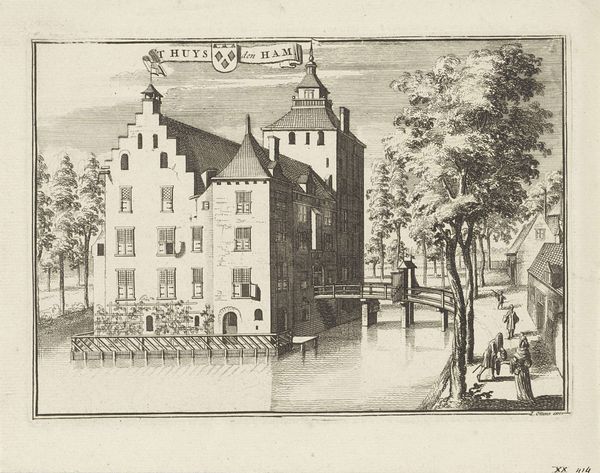
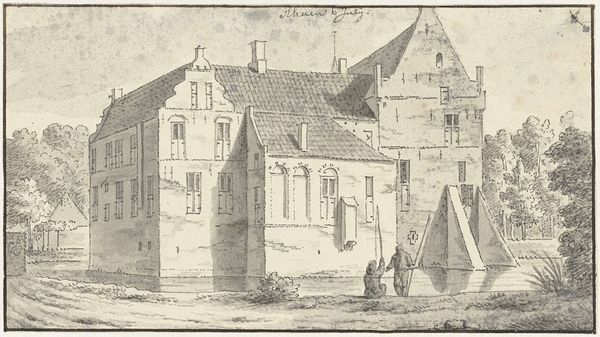
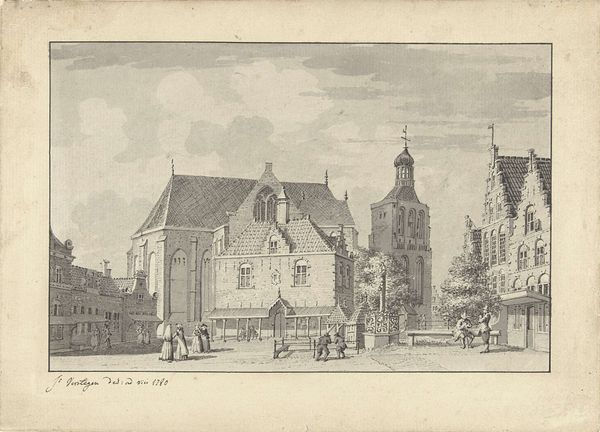
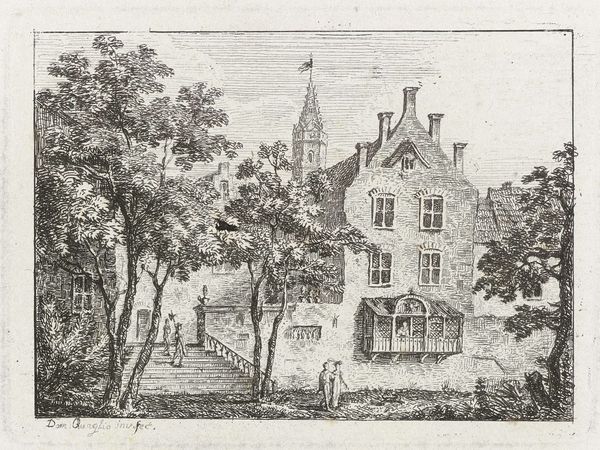
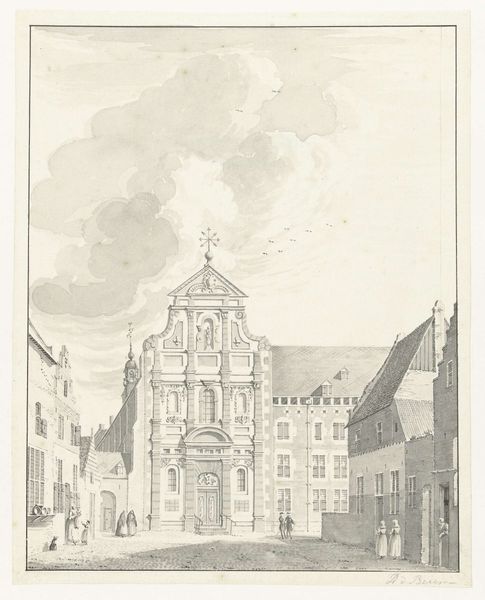
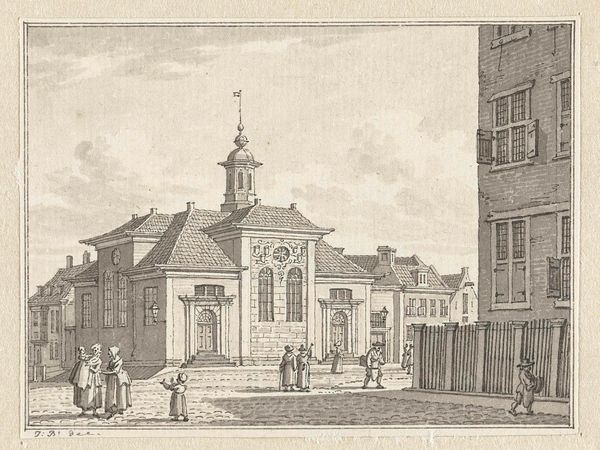
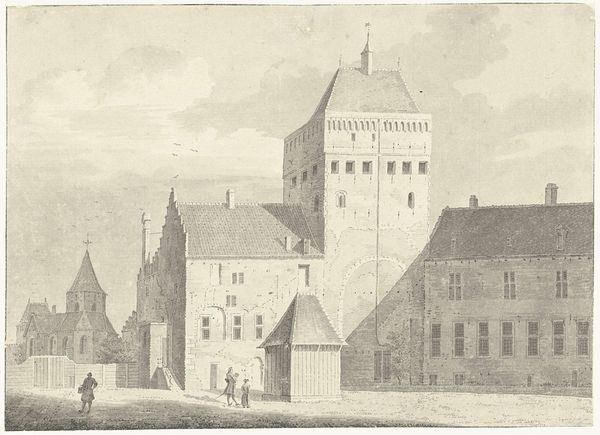
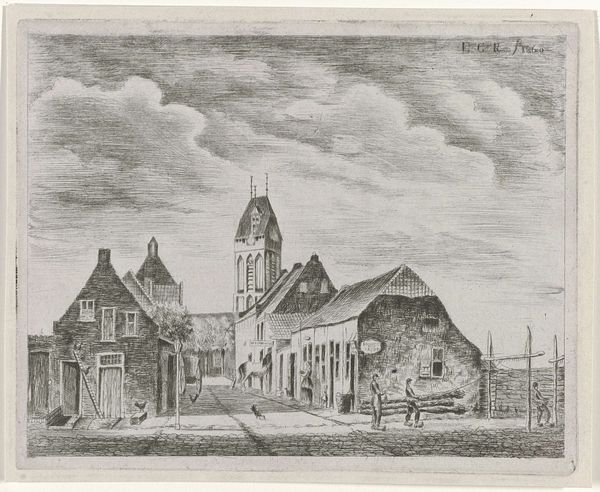
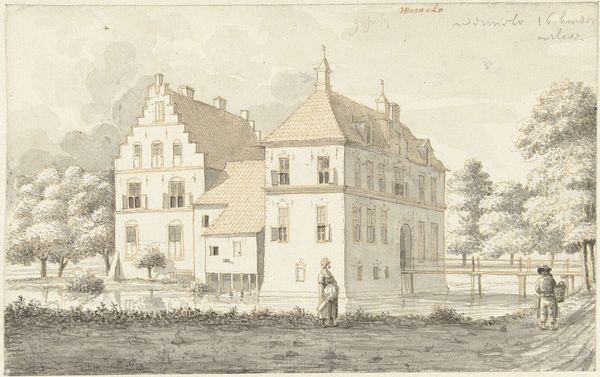
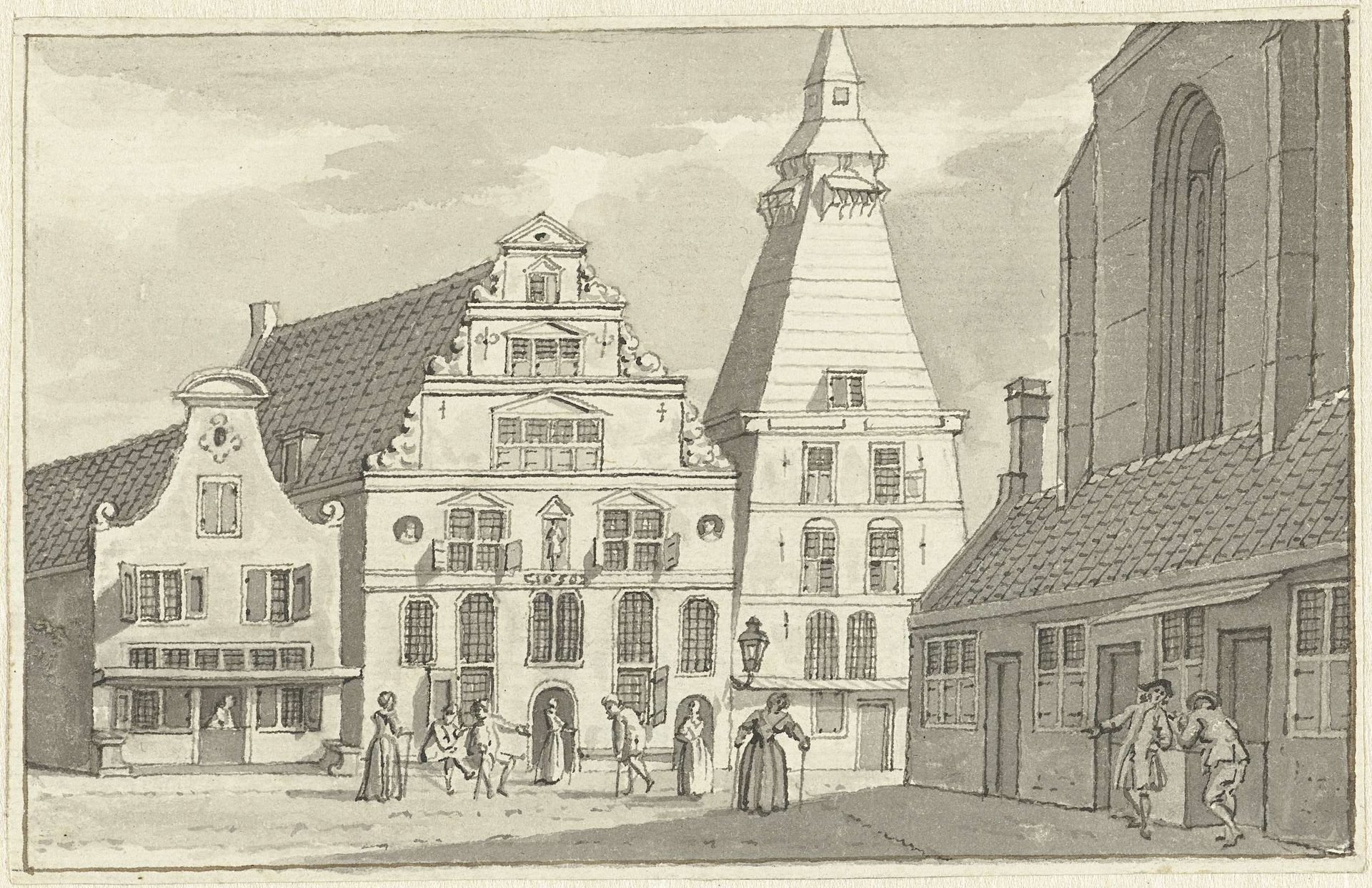
This drawing, "Het Klokkehuis en Gasthuis te Hoorn," now in the Rijksmuseum, was made anonymously with pen and brown ink, and brush in gray ink. The artist carefully rendered this architectural scene using traditional drawing techniques, emphasizing line and tone to define form and space. The drawing's monochromatic palette underscores the importance of light and shadow in shaping the scene. The controlled application of ink creates a sense of depth and volume, particularly in the rendering of the buildings' facades. Details such as the brickwork and window frames are meticulously depicted, showcasing the artist's technical skill and attention to detail. This level of craftsmanship suggests a trained hand, likely someone with experience in architectural drawing or printmaking. The act of drawing itself involves time, labor, and patience. By translating the built environment into a two-dimensional image, the artist invites us to consider the social and cultural significance of these structures and, more broadly, the value of the built environment. So, while seemingly simple, this drawing reflects the time and skill of its maker.

Artwork details
- Medium
- drawing, paper, ink, pen
- Dimensions
- height 84 mm, width 131 mm
- Location
- Rijksmuseum
- Copyright
- Rijks Museum: Open Domain
Tags
drawing
dutch-golden-age
landscape
paper
ink
pen
cityscape
genre-painting
Comments
No comments
About this artwork
This drawing, "Het Klokkehuis en Gasthuis te Hoorn," now in the Rijksmuseum, was made anonymously with pen and brown ink, and brush in gray ink. The artist carefully rendered this architectural scene using traditional drawing techniques, emphasizing line and tone to define form and space. The drawing's monochromatic palette underscores the importance of light and shadow in shaping the scene. The controlled application of ink creates a sense of depth and volume, particularly in the rendering of the buildings' facades. Details such as the brickwork and window frames are meticulously depicted, showcasing the artist's technical skill and attention to detail. This level of craftsmanship suggests a trained hand, likely someone with experience in architectural drawing or printmaking. The act of drawing itself involves time, labor, and patience. By translating the built environment into a two-dimensional image, the artist invites us to consider the social and cultural significance of these structures and, more broadly, the value of the built environment. So, while seemingly simple, this drawing reflects the time and skill of its maker.
Comments
No comments