About this artwork
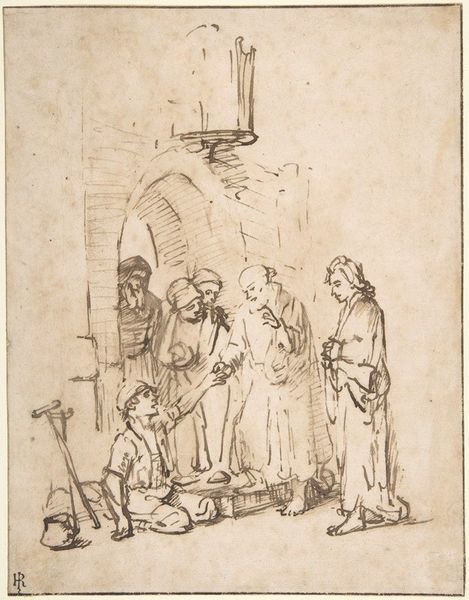
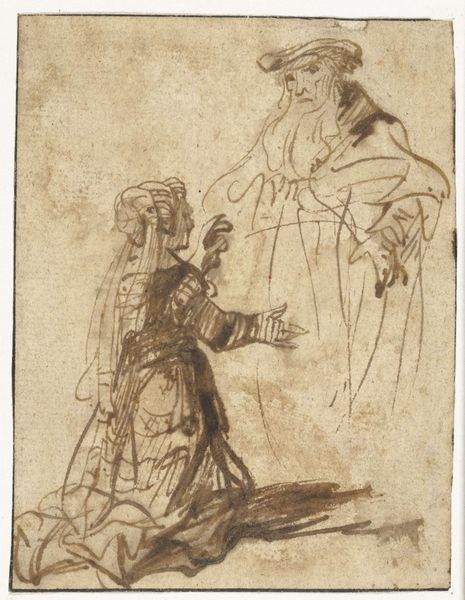
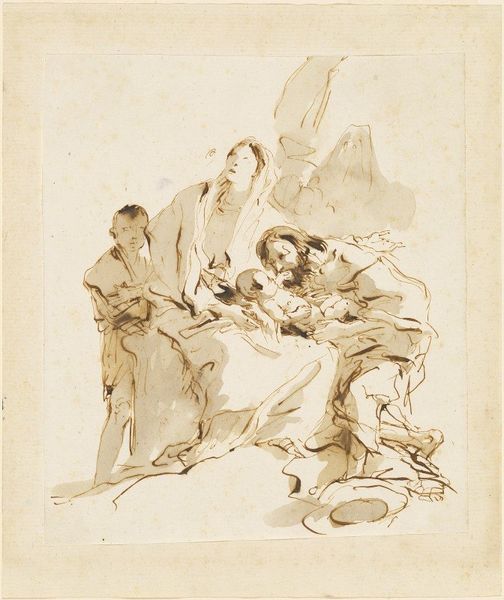
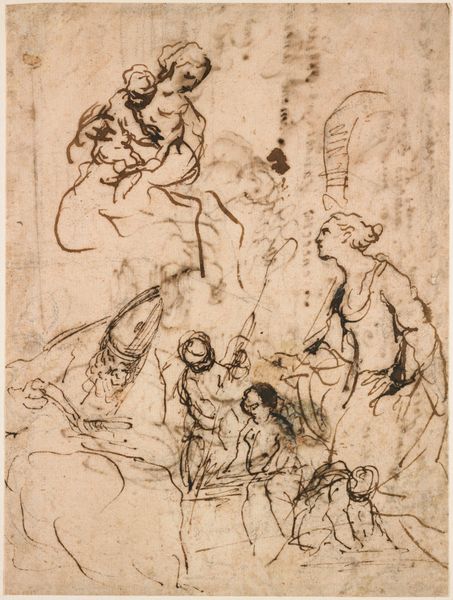
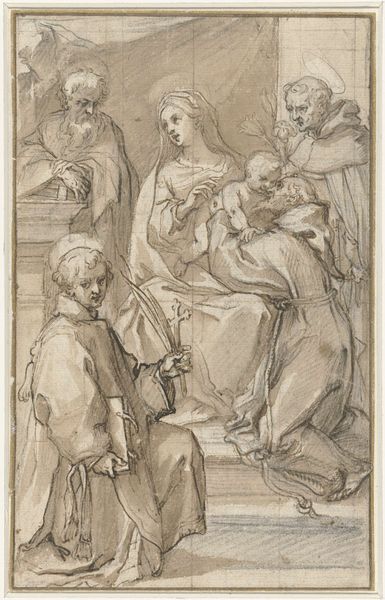
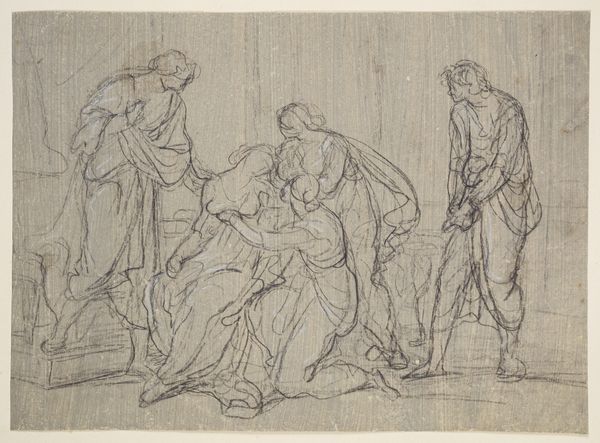
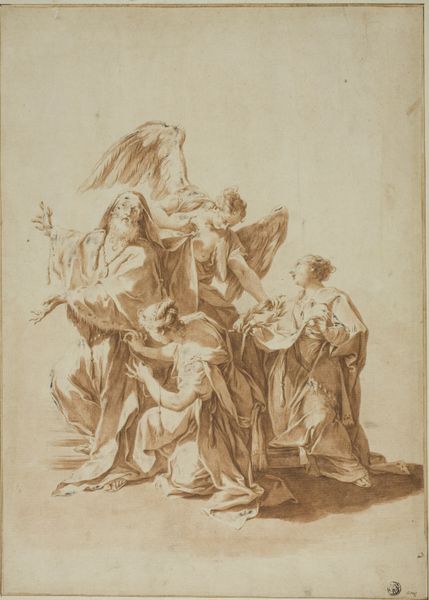
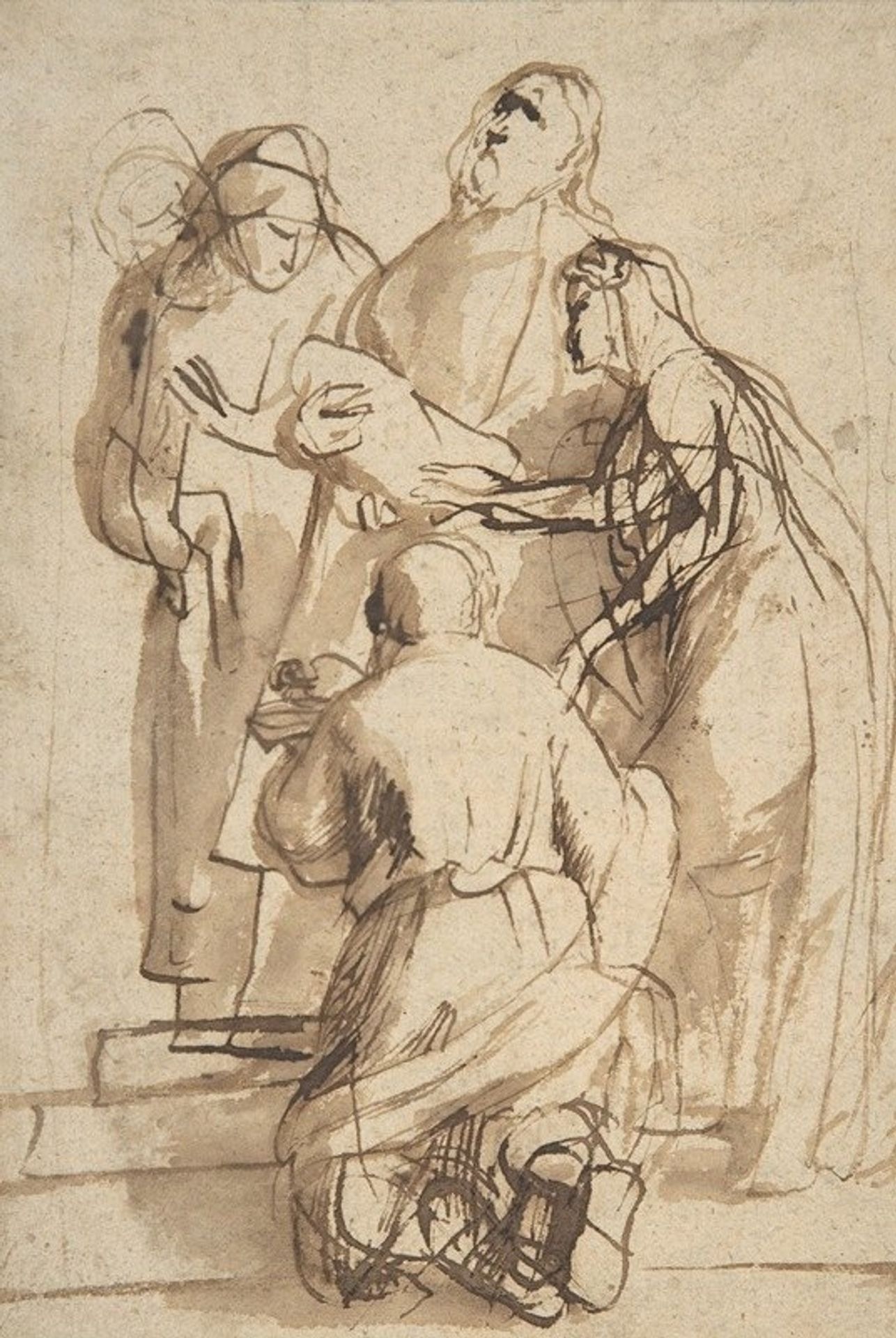
Peter Paul Rubens created this drawing, "Presentation in the Temple," during the height of the Baroque period, a time marked by religious and political upheaval. The sketch captures the biblical episode of the infant Jesus being presented at the temple in Jerusalem. Rubens was a devout Catholic whose artistic output often supported the Counter-Reformation. In the sketch, we see the figures of Mary and Joseph presenting Jesus to Simeon, a priest, and Anna, a prophetess. The composition suggests a focus on motherhood and the role of women in religious narratives, while also emphasizing the divine nature of Jesus and his destiny. Rubens’s loose, fluid lines convey a sense of immediacy and emotional intensity. The expressions on the faces of the figures, though minimally rendered, hint at a mix of reverence, anticipation, and perhaps even apprehension. It is a deeply human moment, capturing the tender act of entrusting a child to a higher purpose. The scene not only reflects the religious beliefs of the time but also touches on the universal emotions tied to parenthood and faith.

Artwork details
- Medium
- drawing, paper, ink
- Copyright
- Public Domain: Artvee
Tags
drawing
narrative-art
baroque
pencil sketch
charcoal drawing
figuration
paper
ink
pencil drawing
chiaroscuro
portrait drawing
history-painting
italian-renaissance
Comments
No comments
About this artwork
Peter Paul Rubens created this drawing, "Presentation in the Temple," during the height of the Baroque period, a time marked by religious and political upheaval. The sketch captures the biblical episode of the infant Jesus being presented at the temple in Jerusalem. Rubens was a devout Catholic whose artistic output often supported the Counter-Reformation. In the sketch, we see the figures of Mary and Joseph presenting Jesus to Simeon, a priest, and Anna, a prophetess. The composition suggests a focus on motherhood and the role of women in religious narratives, while also emphasizing the divine nature of Jesus and his destiny. Rubens’s loose, fluid lines convey a sense of immediacy and emotional intensity. The expressions on the faces of the figures, though minimally rendered, hint at a mix of reverence, anticipation, and perhaps even apprehension. It is a deeply human moment, capturing the tender act of entrusting a child to a higher purpose. The scene not only reflects the religious beliefs of the time but also touches on the universal emotions tied to parenthood and faith.
Comments
No comments