1720 - 1782
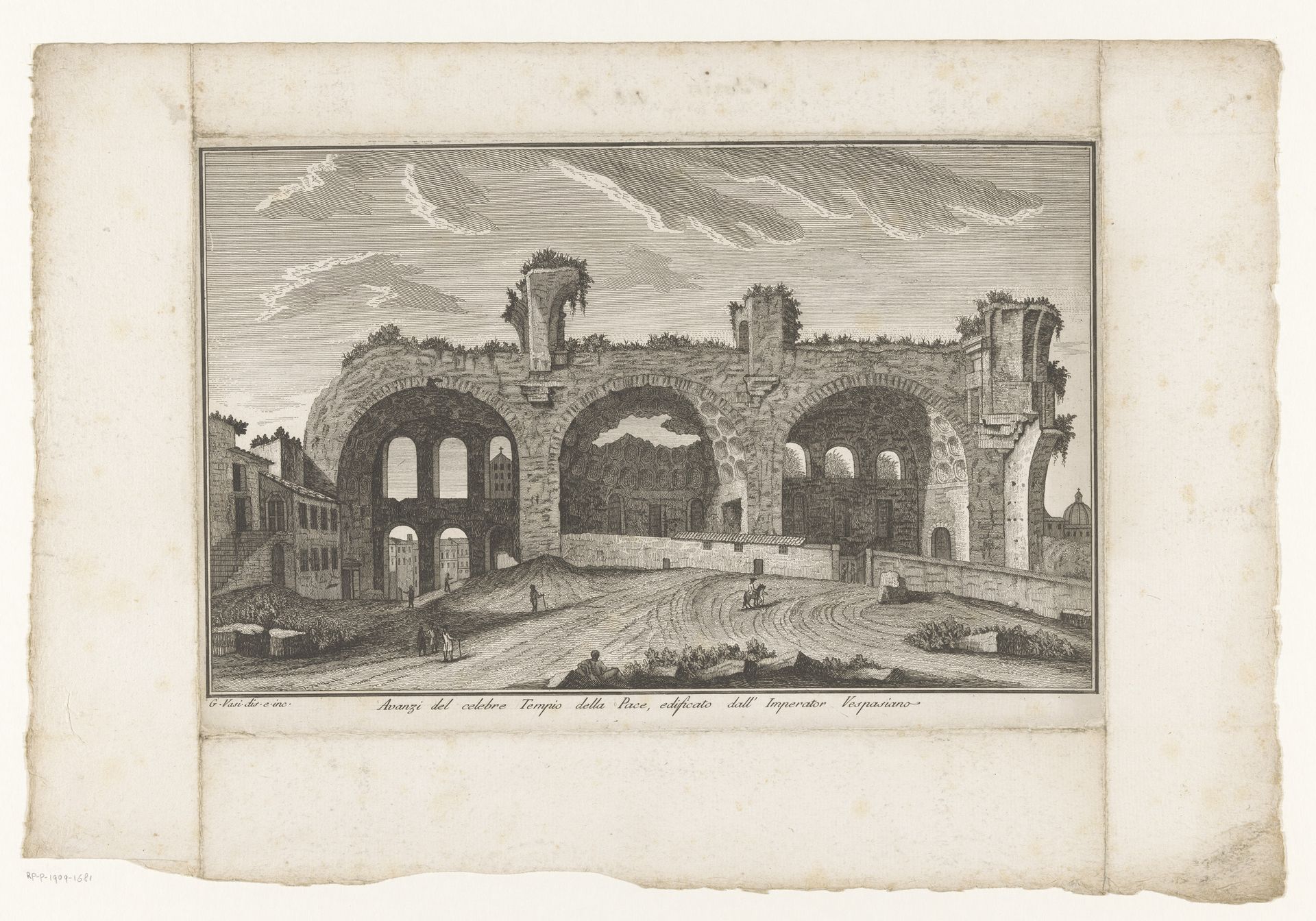
Basilica van Maxentius te Rome

Listen to curator's interpretation
Curatorial notes
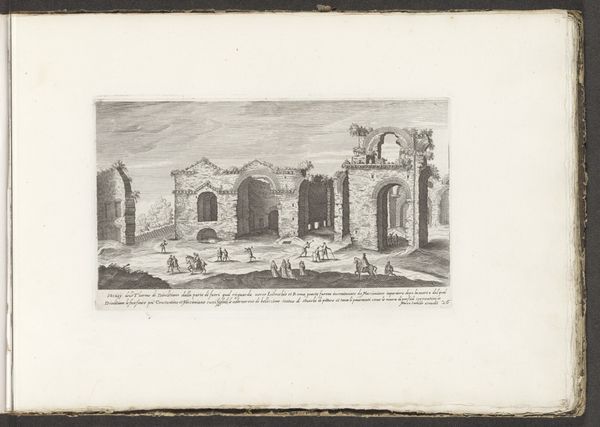
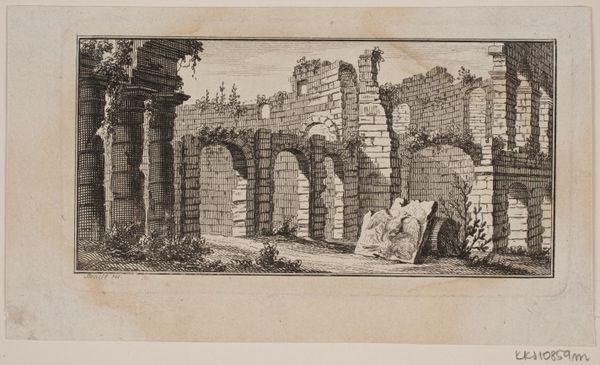
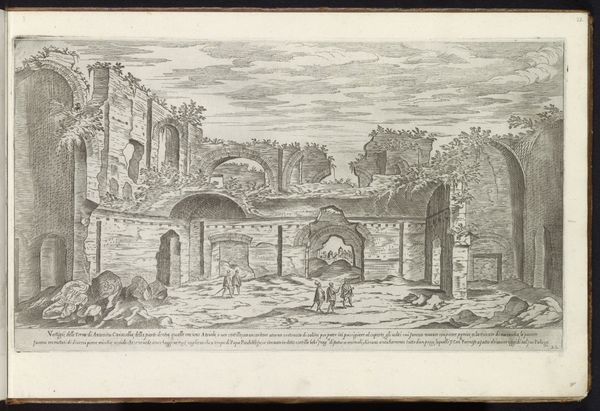
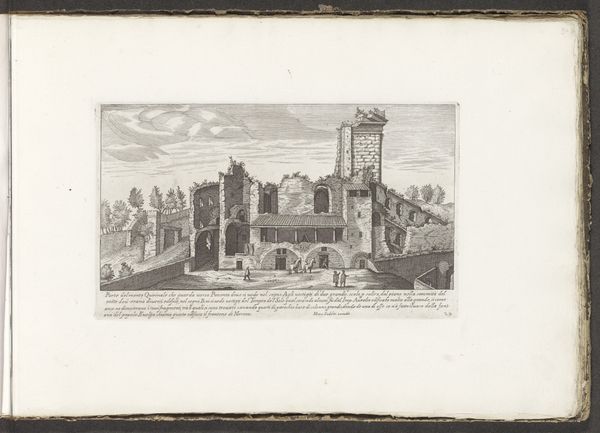
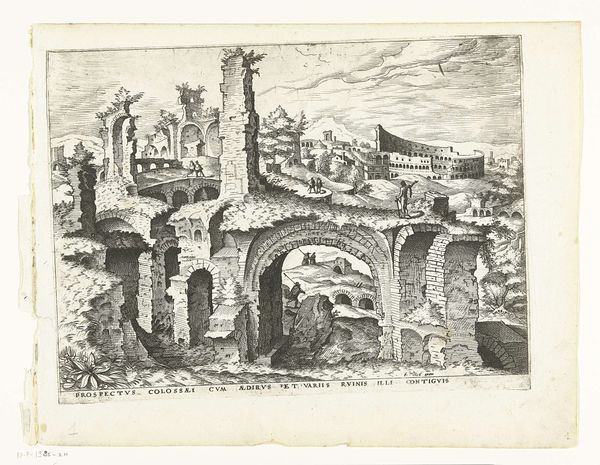
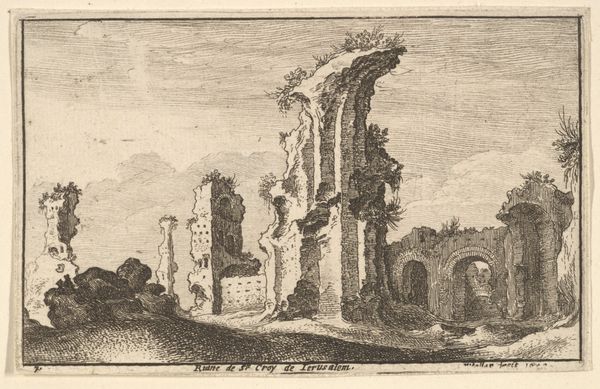
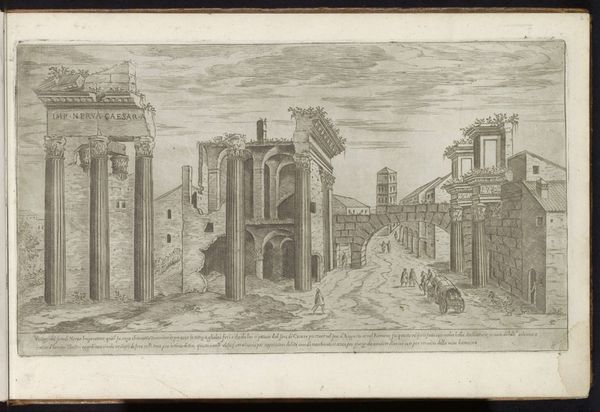
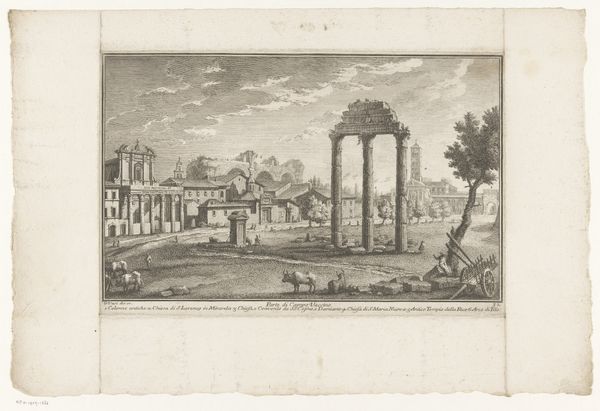
Giuseppe Vasi etched this image of the Basilica of Maxentius in Rome during the 18th century. The basilica, initially built by Emperor Maxentius and completed by Constantine in the early 4th century, represents the grandeur and architectural ambition of the Roman Empire. Vasi's print invites us to consider Rome's layered history and its enduring appeal as a subject for artists. During this period, Rome's ancient ruins became picturesque symbols for artists, intellectuals, and tourists. Looking closer, Vasi's choice to depict the basilica in a state of ruin speaks to a broader fascination with the passage of time and the transience of power, themes very much in circulation within artistic and intellectual circles. To truly understand this print, we might explore other images of Roman ruins from the same period and the writings of contemporary scholars and antiquarians. Ultimately, it is in understanding the cultural values and institutional forces that shape artistic production that we come to appreciate its profound historical significance.