About this artwork
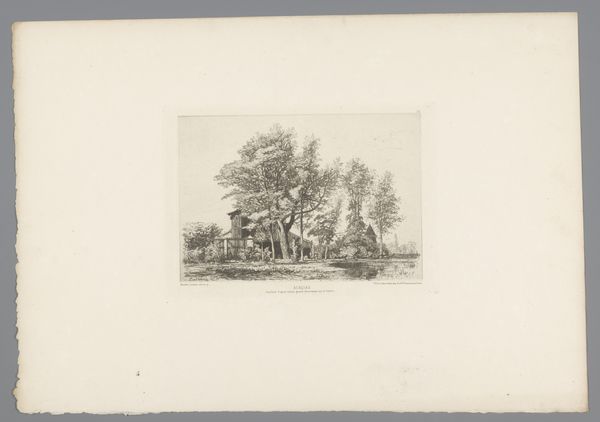
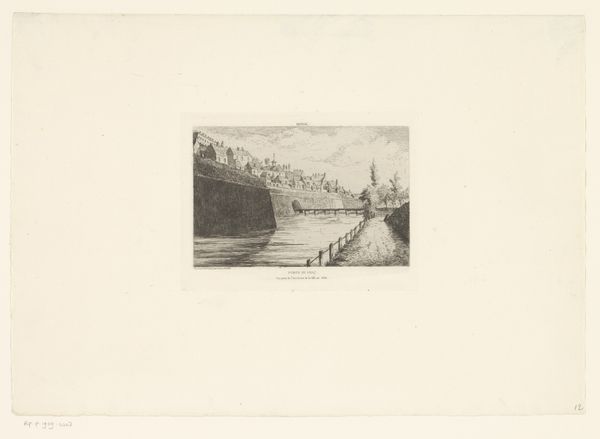
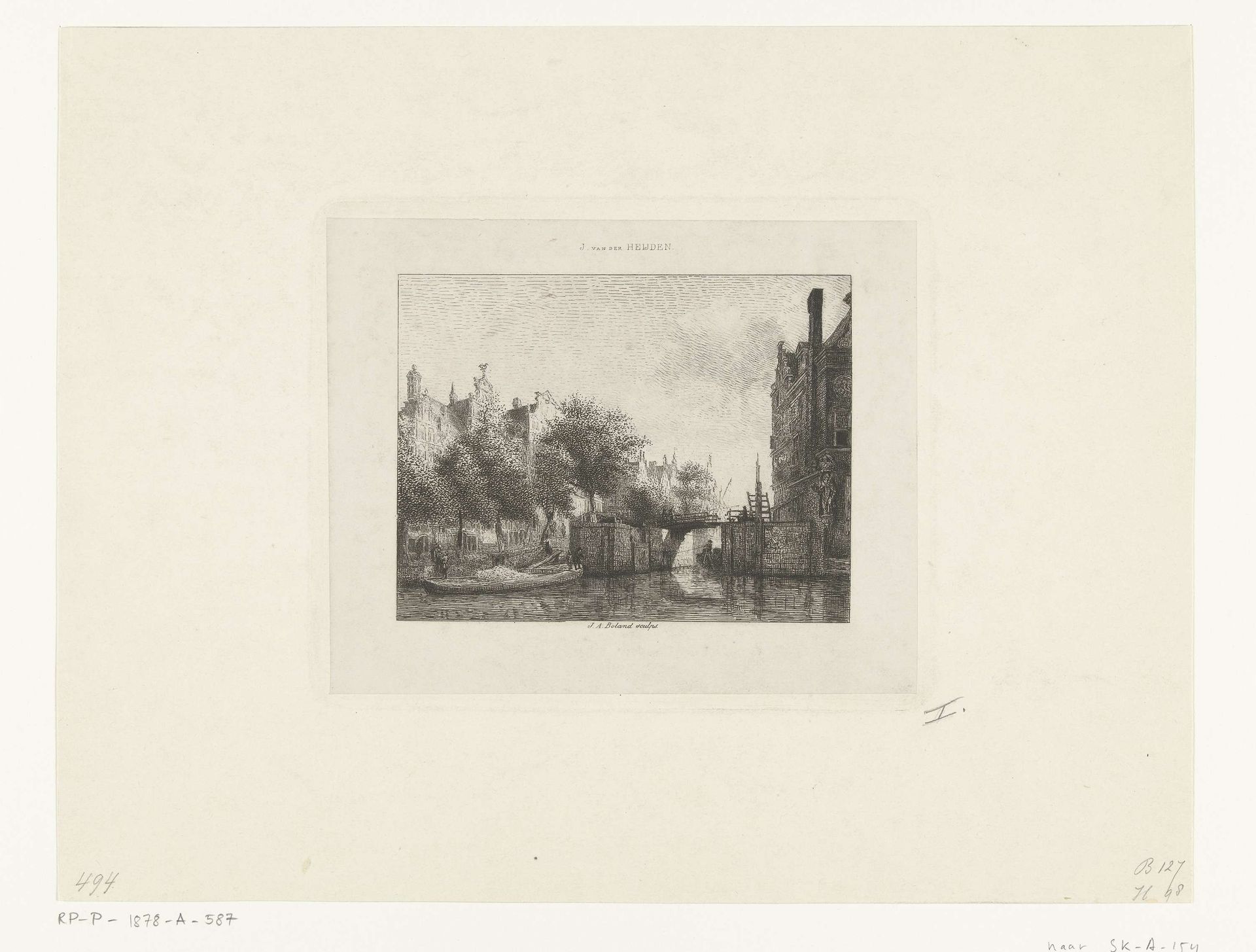
Johannes Arnoldus Boland created this etching of the Nieuwe Zijds Voorburgwal with the Oude Haarlemmersluis in Amsterdam sometime in the late 19th or early 20th century. It presents a serene view of Amsterdam's canal system, a network crucial for trade and transport in the Netherlands. The image evokes the Dutch concept of 'gezelligheid' or coziness, with its intimate perspective and focus on daily life. The detailed rendering of architecture and waterways reflects a cultural emphasis on precision and order, qualities valued in Dutch society. During this period, Amsterdam was undergoing rapid urbanisation, and the art world was deeply divided between conservatives who believed in traditional Dutch Realism and progressives who were interested in abstraction, impressionism and symbolism. Boland appears to be deeply rooted in the Dutch Realist tradition. To fully appreciate this work, we can consult historical maps, municipal archives, and period writings to understand Amsterdam's urban development and cultural values at the time. Boland's etching is not just a picturesque scene but a window into the social and institutional context of a pivotal era in Dutch history.
De Nieuwe Zijds Voorburgwal met de Oude Haarlemmersluis te Amsterdam (met topografische vrijheden) before 1878

Artwork details
- Medium
- print, etching
- Dimensions
- height 143 mm, width 173 mm
- Copyright
- Rijks Museum: Open Domain
Tags
dutch-golden-age
etching
landscape
cityscape
Comments
No comments
About this artwork
Johannes Arnoldus Boland created this etching of the Nieuwe Zijds Voorburgwal with the Oude Haarlemmersluis in Amsterdam sometime in the late 19th or early 20th century. It presents a serene view of Amsterdam's canal system, a network crucial for trade and transport in the Netherlands. The image evokes the Dutch concept of 'gezelligheid' or coziness, with its intimate perspective and focus on daily life. The detailed rendering of architecture and waterways reflects a cultural emphasis on precision and order, qualities valued in Dutch society. During this period, Amsterdam was undergoing rapid urbanisation, and the art world was deeply divided between conservatives who believed in traditional Dutch Realism and progressives who were interested in abstraction, impressionism and symbolism. Boland appears to be deeply rooted in the Dutch Realist tradition. To fully appreciate this work, we can consult historical maps, municipal archives, and period writings to understand Amsterdam's urban development and cultural values at the time. Boland's etching is not just a picturesque scene but a window into the social and institutional context of a pivotal era in Dutch history.
Comments
No comments