About this artwork
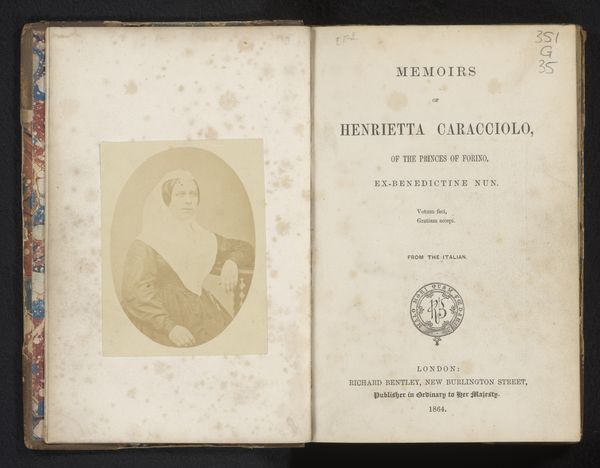
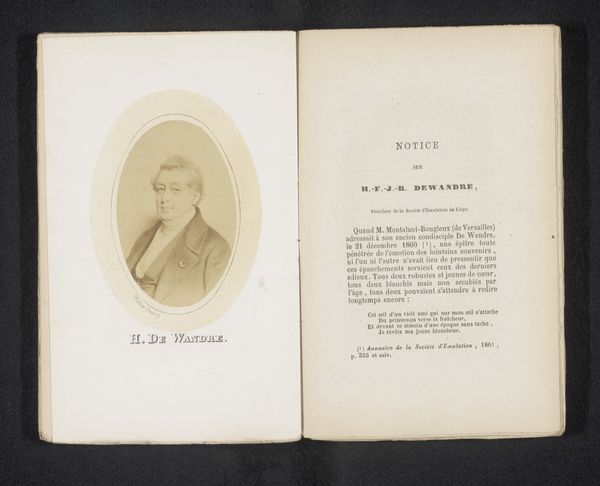
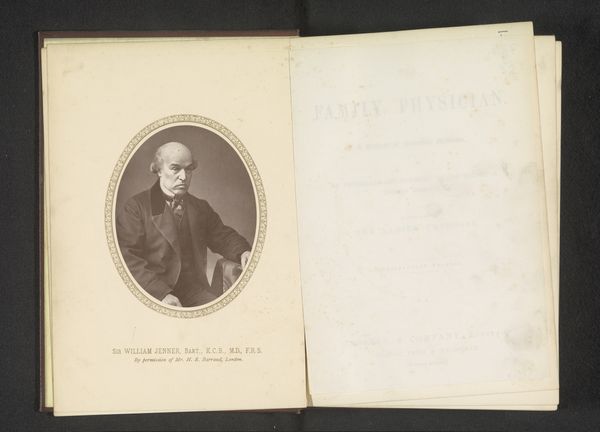
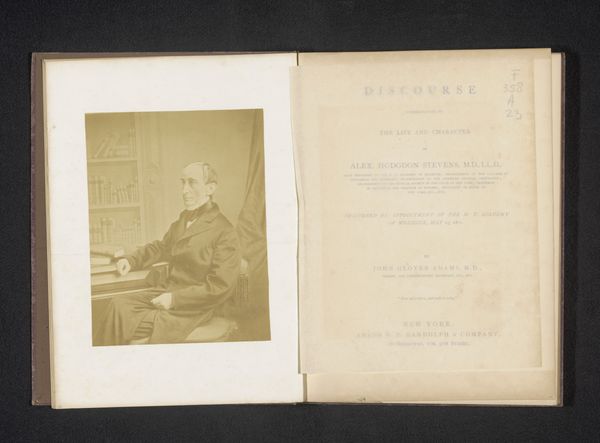
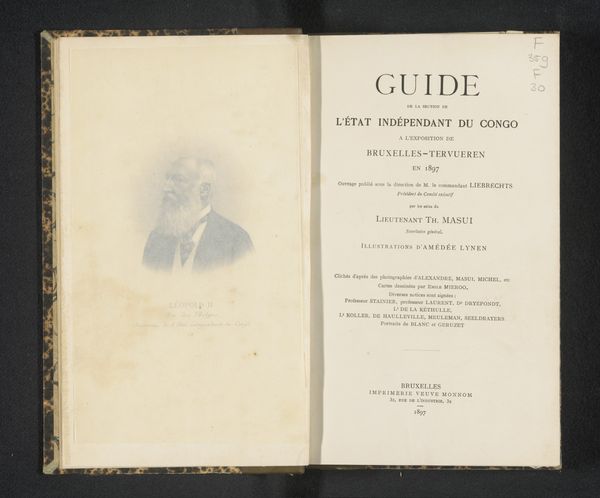
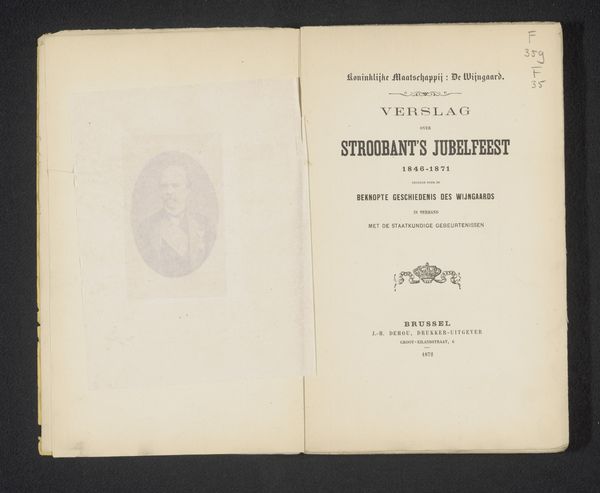
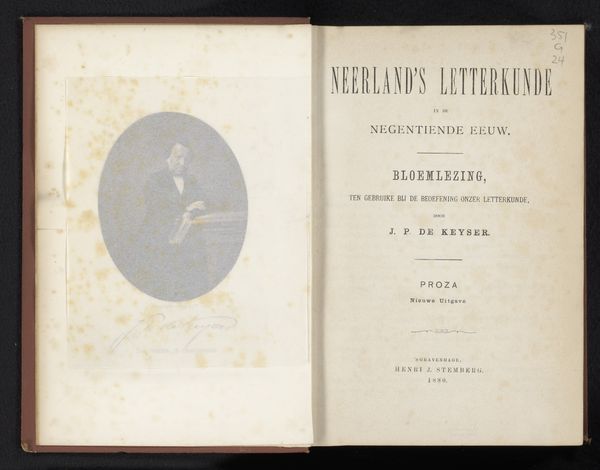
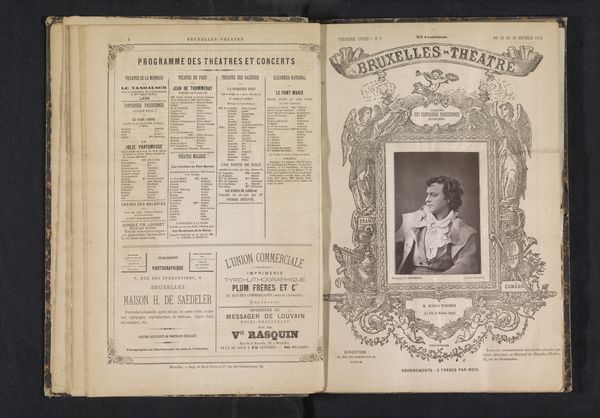
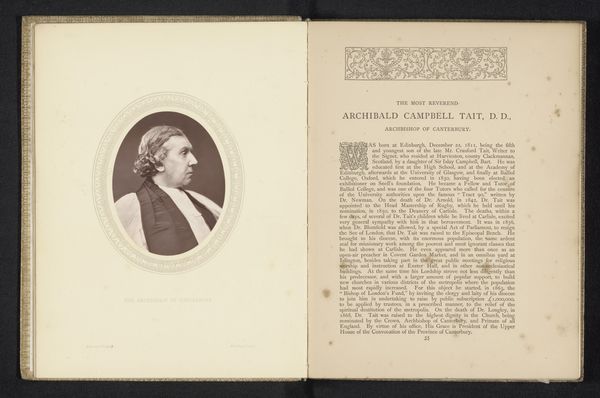
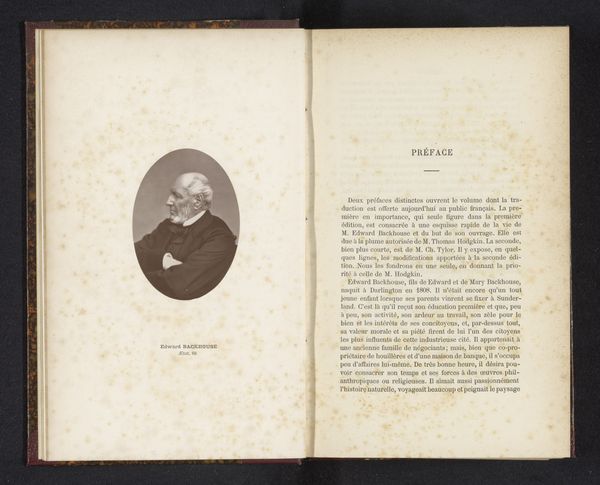
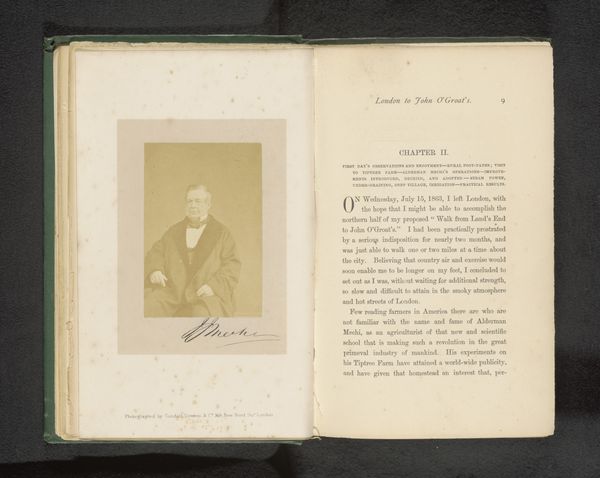
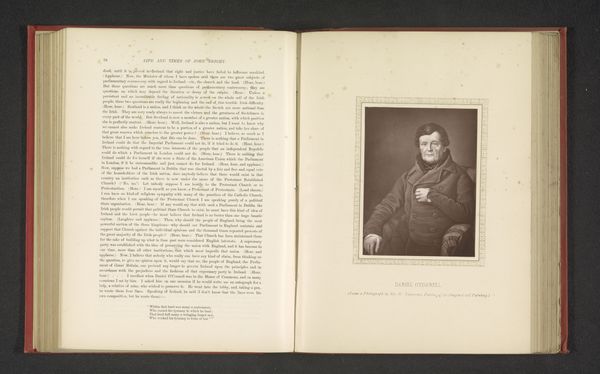
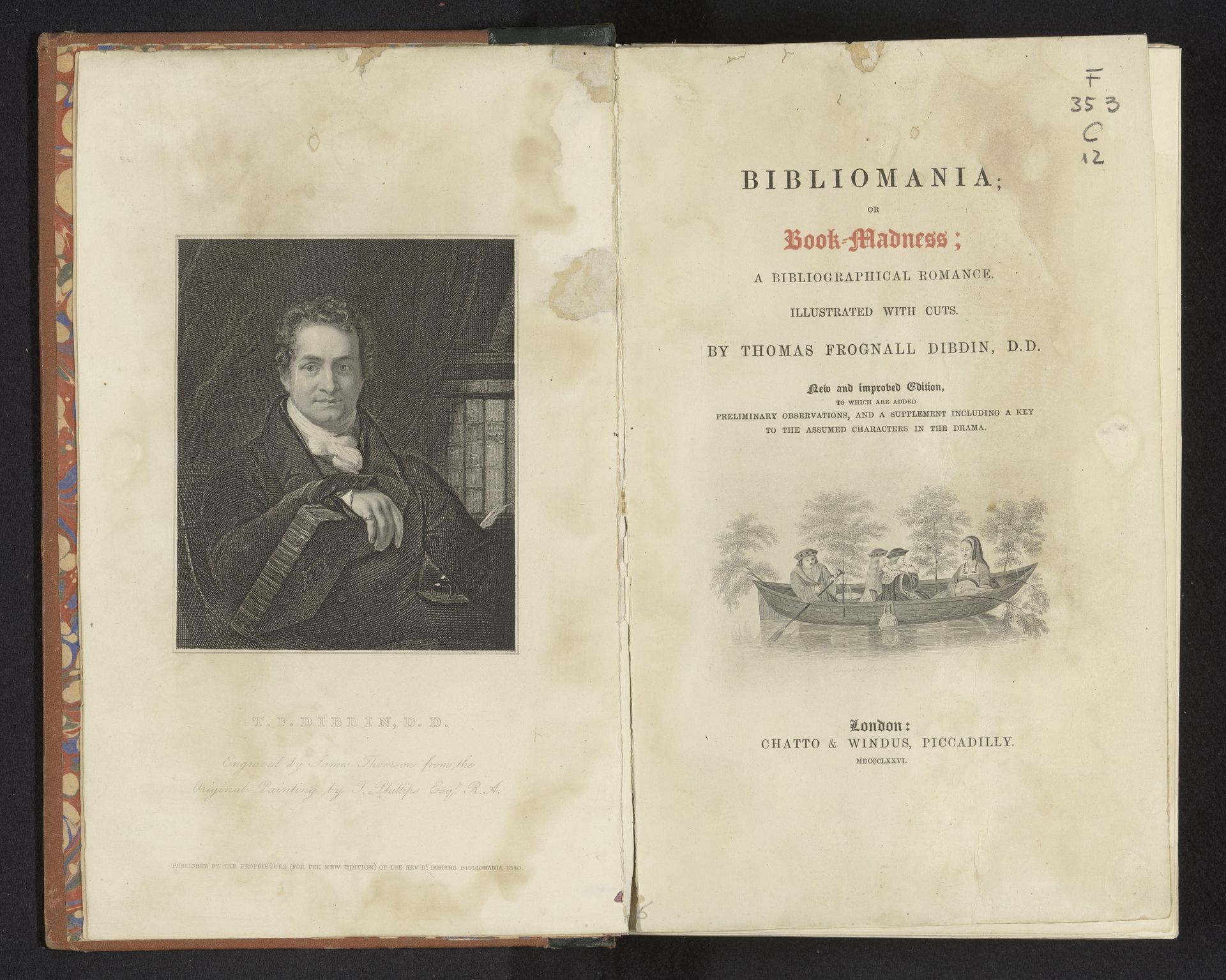
Thomas Frognall Dibdin's *Bibliomania,* a bibliographical romance, was published in London and is made of paper, ink and thread. This book is the result of an intensive industrialized process, where wood pulp was treated to make the paper, inks were developed, and type was set and pressed on an industrial scale. The etching of the images required another set of skills, tools, and labor. The physical qualities of the book, such as the consistency of its pages, the clarity of the printing, and even its binding all speak to the rise of consumer culture. Consider too that the book itself is about collecting books, itself a kind of consumerist madness. The author's obsession could not have existed without the infrastructure to allow many copies to be available and circulated. As you consider this book, think about the social context that allows "bibliomania" to occur, and the cultural infrastructure of the era. This challenges traditional distinctions between high art and craft.

Artwork details
- Medium
- print, engraving
- Dimensions
- height 257 mm, width 170 mm, thickness 60 mm
- Copyright
- Rijks Museum: Open Domain
Tags
portrait
16_19th-century
book
genre-painting
engraving
Comments
No comments
About this artwork
Thomas Frognall Dibdin's *Bibliomania,* a bibliographical romance, was published in London and is made of paper, ink and thread. This book is the result of an intensive industrialized process, where wood pulp was treated to make the paper, inks were developed, and type was set and pressed on an industrial scale. The etching of the images required another set of skills, tools, and labor. The physical qualities of the book, such as the consistency of its pages, the clarity of the printing, and even its binding all speak to the rise of consumer culture. Consider too that the book itself is about collecting books, itself a kind of consumerist madness. The author's obsession could not have existed without the infrastructure to allow many copies to be available and circulated. As you consider this book, think about the social context that allows "bibliomania" to occur, and the cultural infrastructure of the era. This challenges traditional distinctions between high art and craft.
Comments
No comments