About this artwork
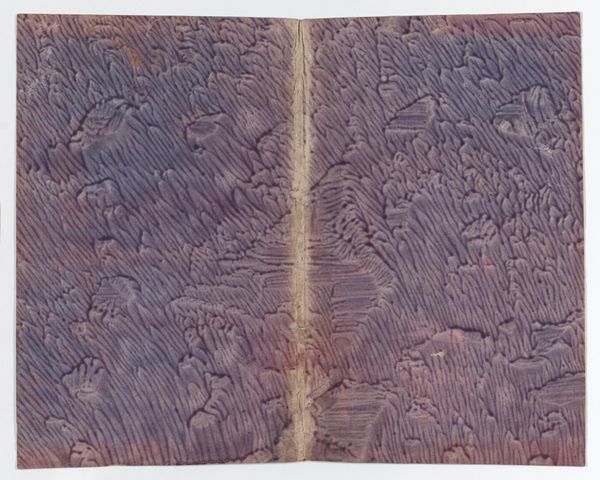
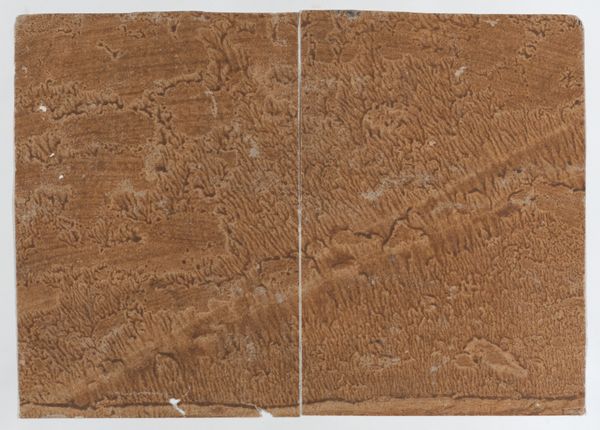
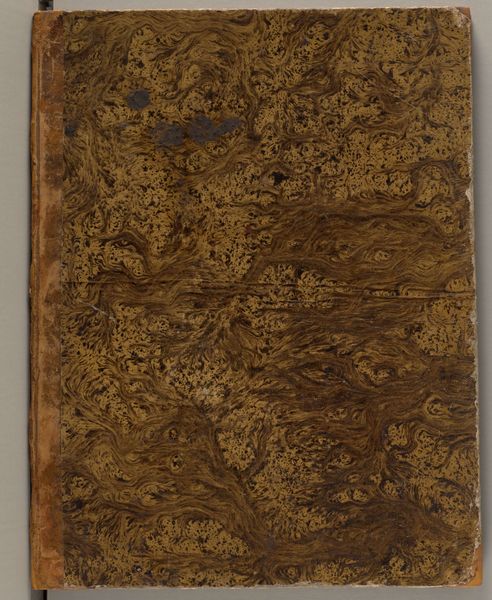
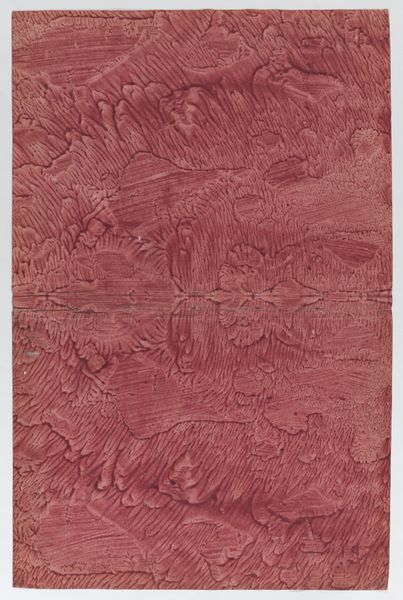
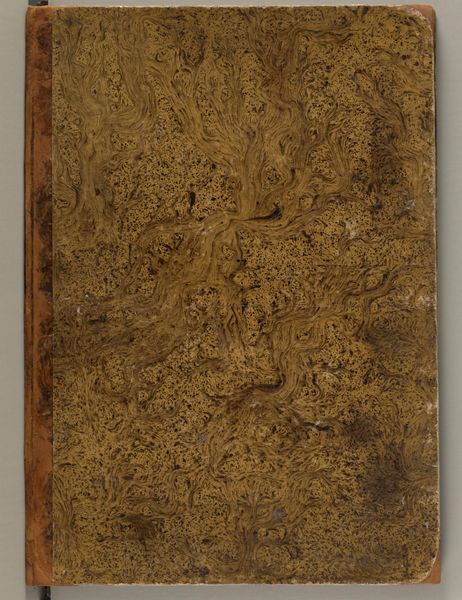
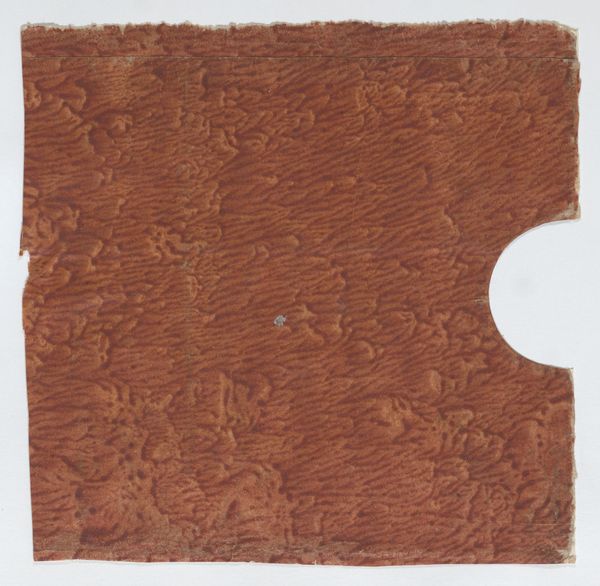
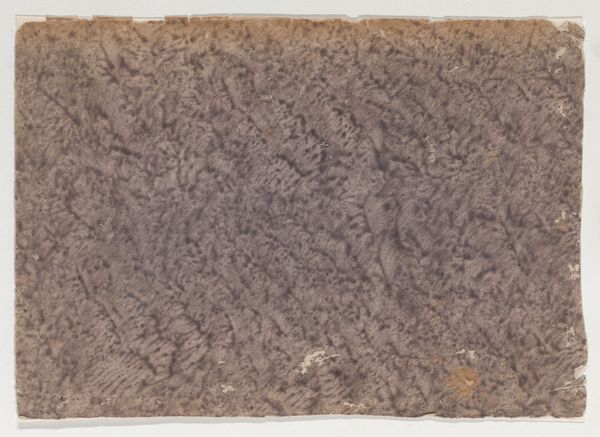
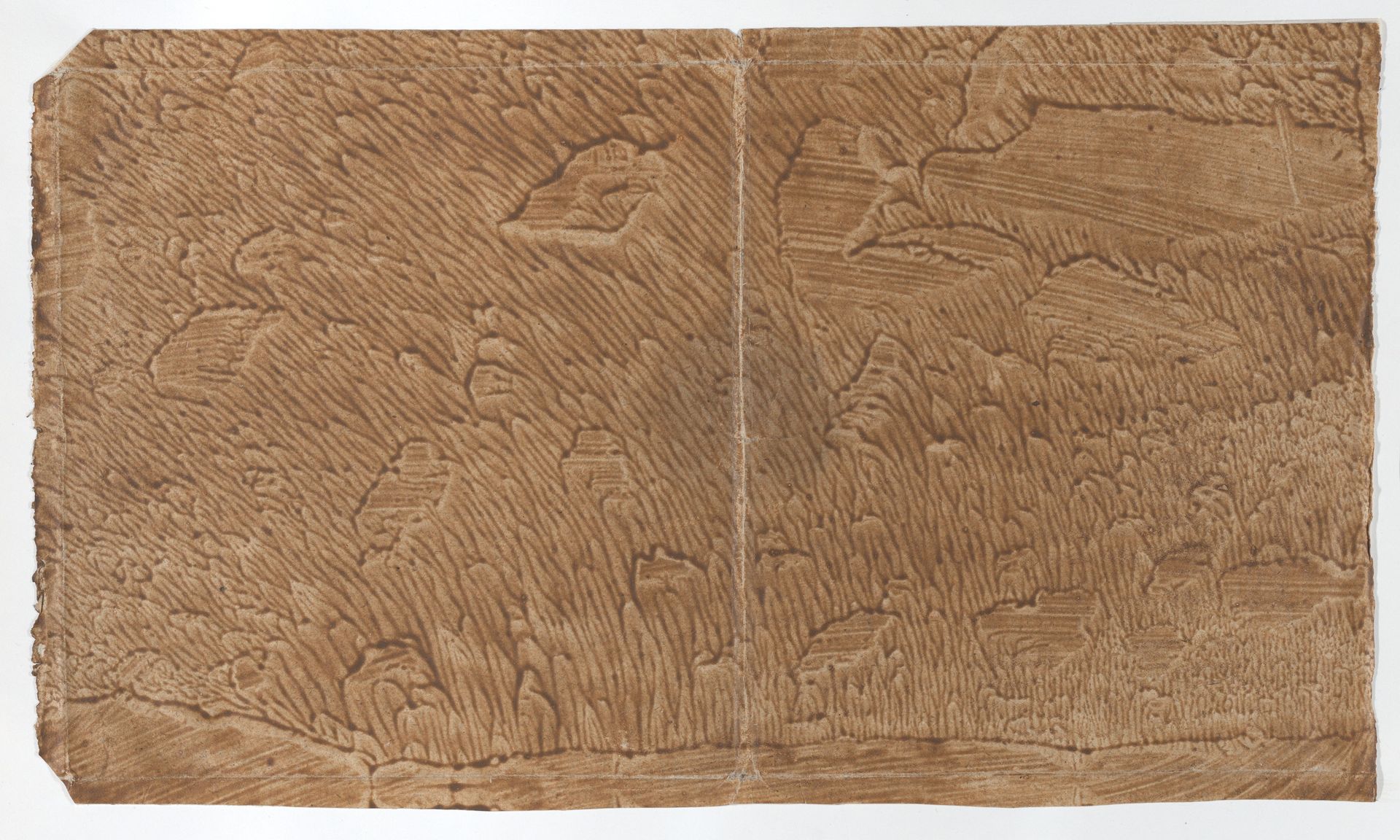
This brown paste paper book cover was made anonymously, and its date of creation is unknown. The anonymity surrounding this book cover invites us to consider the historical context of bookbinding and the often-unrecognized labor behind it. This paste paper cover, with its tactile, swirling patterns, speaks to a tradition where the craftsperson's touch was integral, yet their identity often remained obscure. The cover's aesthetic emerges from a tension between utility and artistry. Think about the hands that prepared the paste, smoothed it across the paper, and then manipulated the surface to create these organic forms. The materiality of the cover prompts reflection on the social and economic structures of book production. The lack of attribution can be seen as a commentary on the historical undervaluing of craft and the frequent erasure of individual contributions. The cover, through its very anonymity, challenges us to acknowledge the myriad hands that contribute to the creation and dissemination of knowledge.
Brown paste paper book cover
1800 - 1900


Artwork details
- Medium
- drawing, mixed-media, print, paper, frottage
- Dimensions
- Sheet: 8 1/2 × 14 5/8 in. (21.6 × 37.1 cm)
- Location
- Metropolitan Museum of Art, New York, NY
- Copyright
- Public Domain
Tags
Comments
Share your thoughts
About this artwork
This brown paste paper book cover was made anonymously, and its date of creation is unknown. The anonymity surrounding this book cover invites us to consider the historical context of bookbinding and the often-unrecognized labor behind it. This paste paper cover, with its tactile, swirling patterns, speaks to a tradition where the craftsperson's touch was integral, yet their identity often remained obscure. The cover's aesthetic emerges from a tension between utility and artistry. Think about the hands that prepared the paste, smoothed it across the paper, and then manipulated the surface to create these organic forms. The materiality of the cover prompts reflection on the social and economic structures of book production. The lack of attribution can be seen as a commentary on the historical undervaluing of craft and the frequent erasure of individual contributions. The cover, through its very anonymity, challenges us to acknowledge the myriad hands that contribute to the creation and dissemination of knowledge.
Comments
Share your thoughts