c. 1760
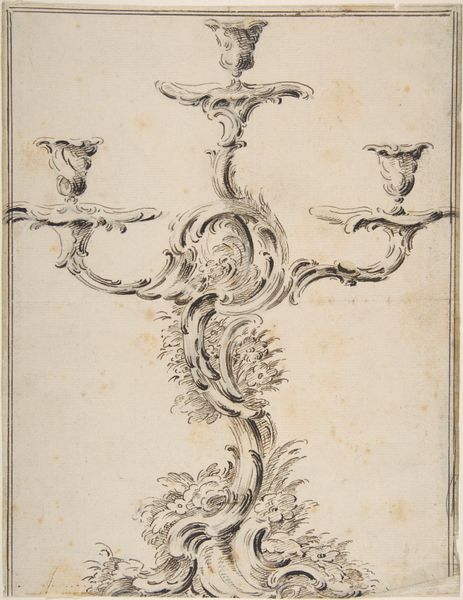
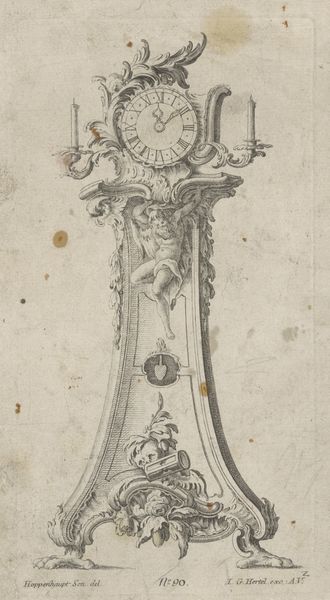
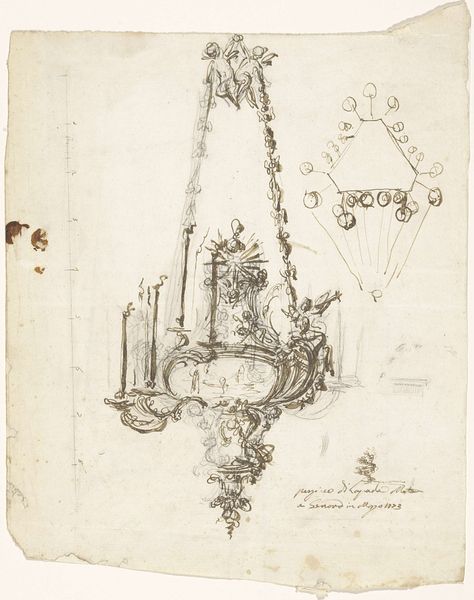
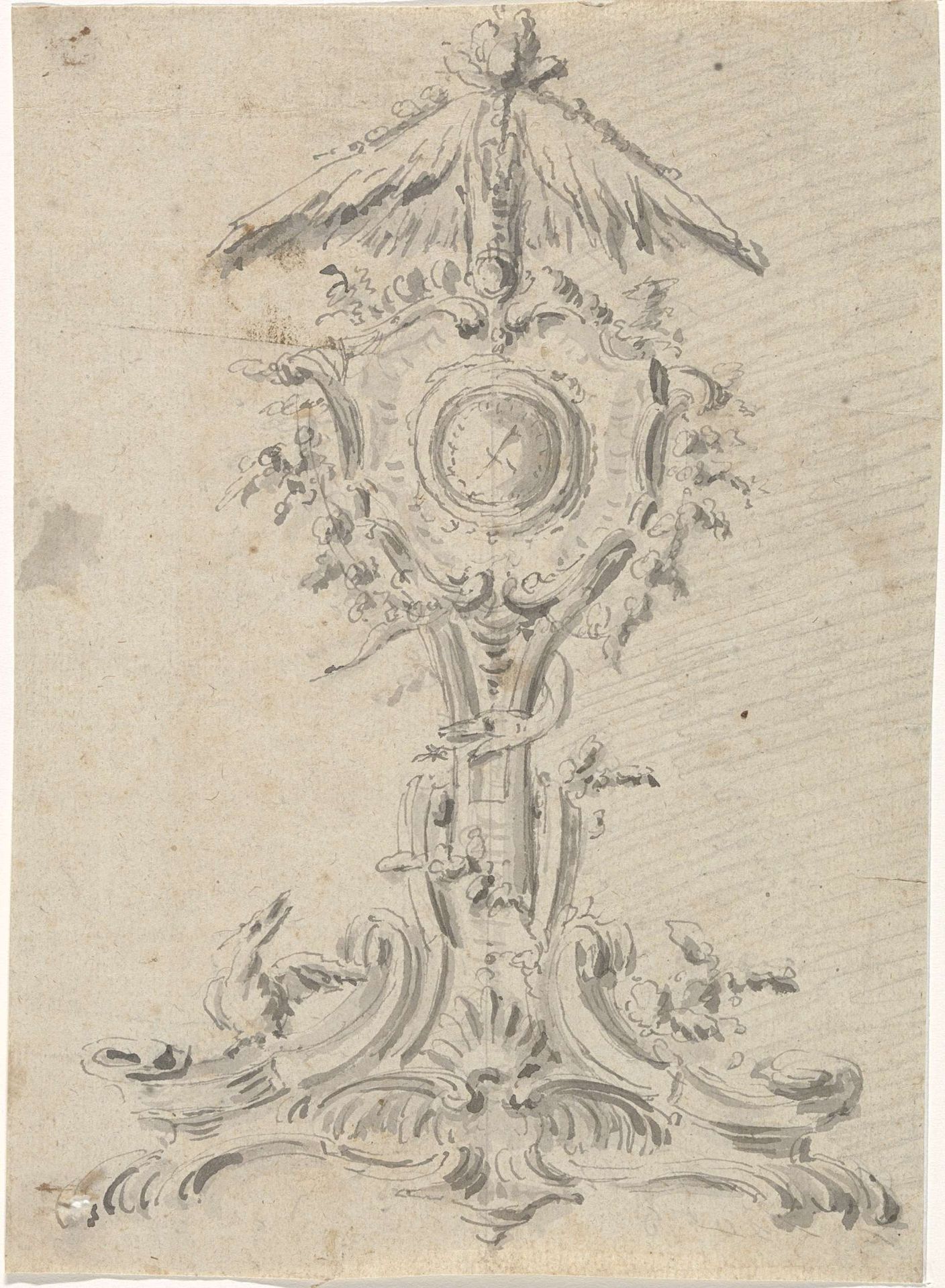
Ontwerp voor een horlogestandaard

Thomas Johnson
1714 - 1778Location
RijksmuseumListen to curator's interpretation
Curatorial notes
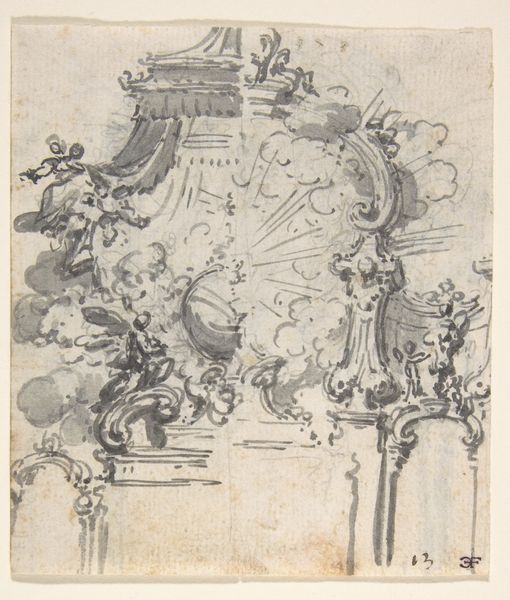
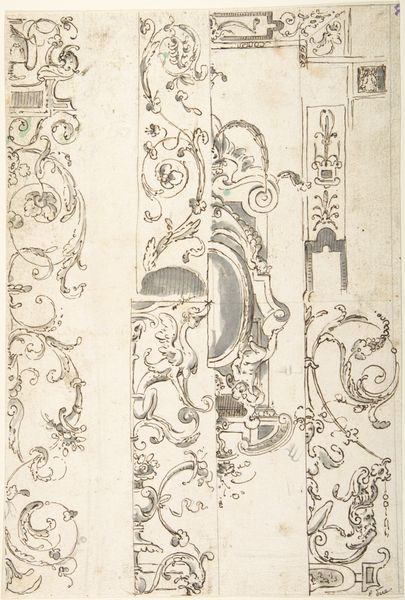
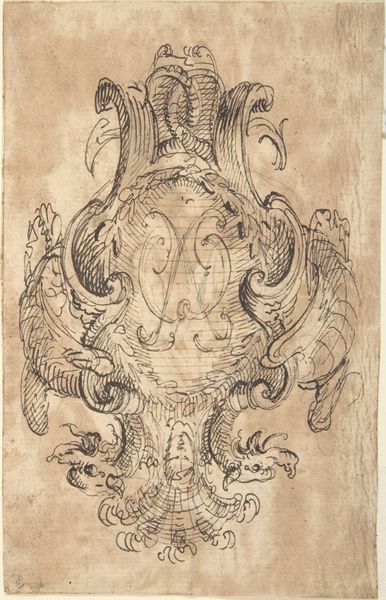
Thomas Johnson made this design for a clock stand using pen, brush and grey ink, sometime in the mid-18th century. It exemplifies the Rococo style then in vogue across Europe, characterized by elaborate ornamentation and asymmetry. However, Johnson was working in London, and this drawing reveals how the Rococo translated into the British context. Note how the design incorporates naturalistic motifs like shells, leaves, and flowers. This reflects Britain's burgeoning interest in natural history and its colonial ambitions, as these botanical and zoological forms were beginning to flood into Europe, becoming emblems of trade and empire. Johnson’s design encapsulates the globalized world of the 18th century, where artistic styles and natural specimens circulated widely, influencing design and material culture. To understand this fully, a historian might consult pattern books, trade records, and scientific treatises to explore the intersections of art, commerce, and science in Johnson's time. What we see here is not simply a clock stand, but a reflection of Britain's evolving relationship with the world.