About this artwork
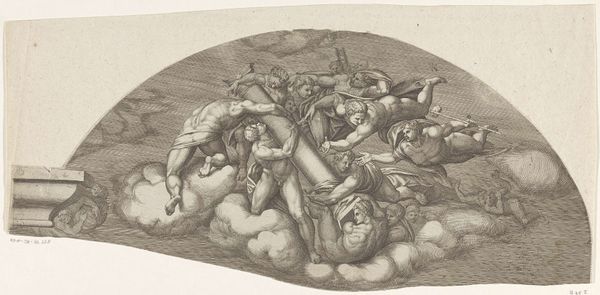
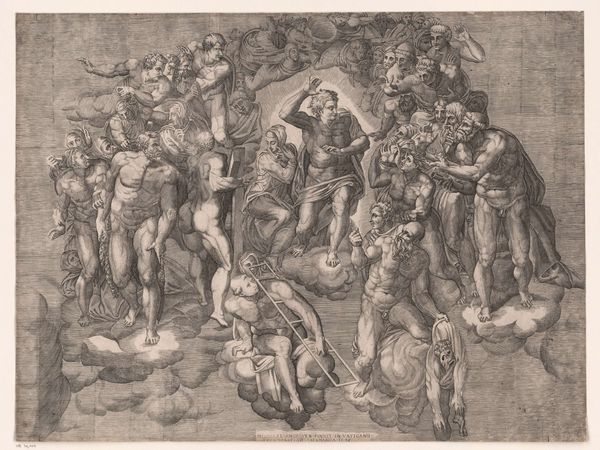
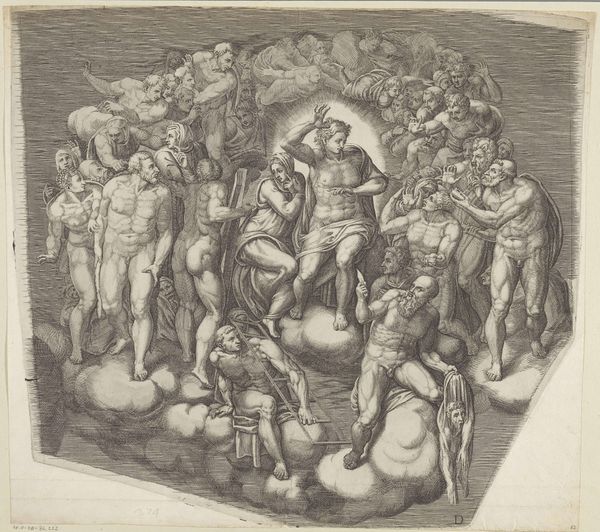
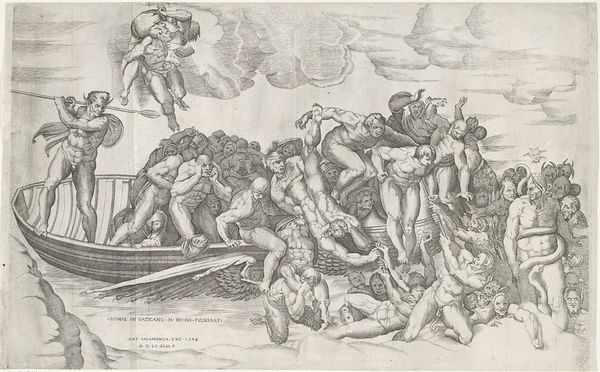
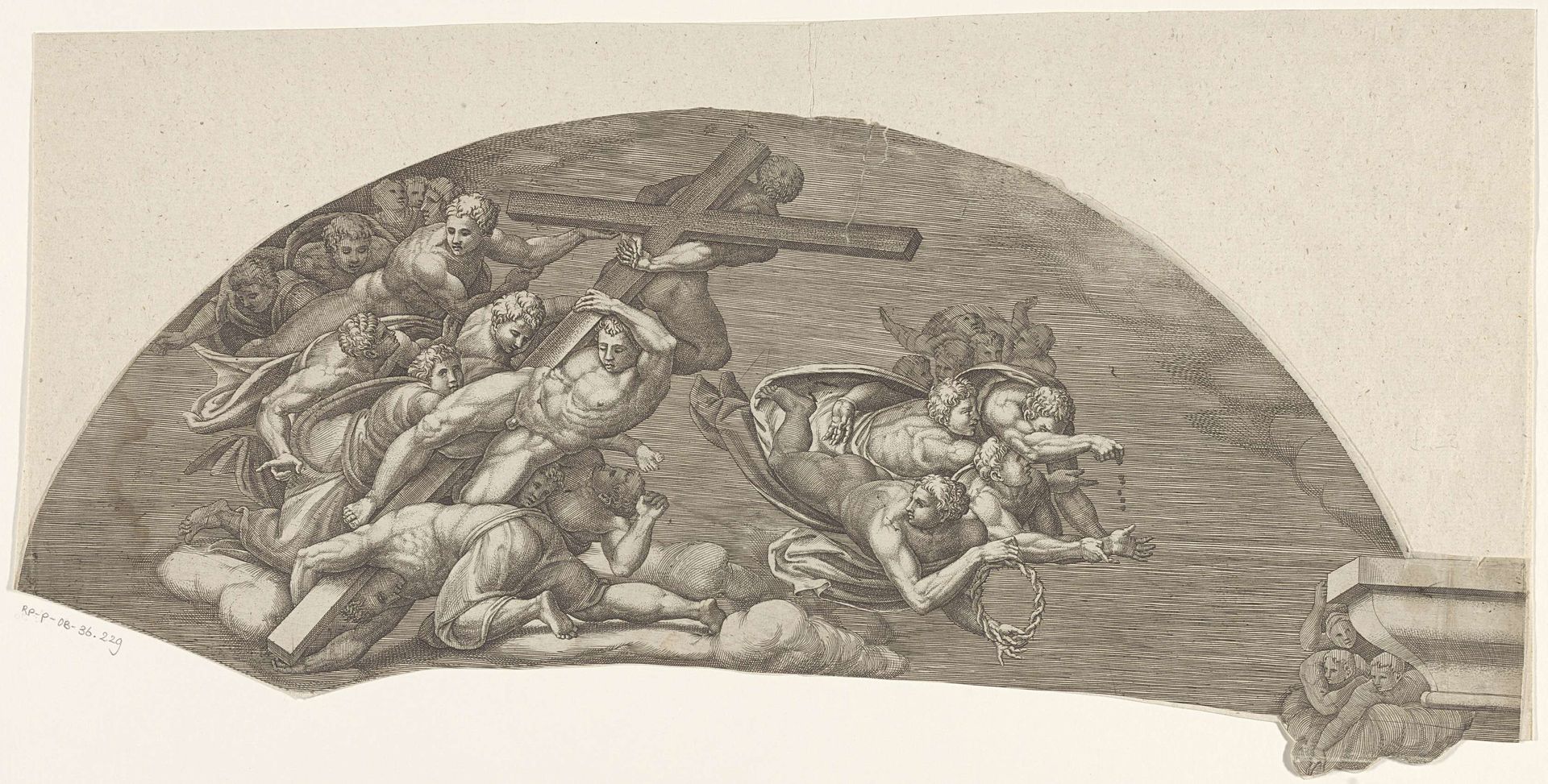
Giorgio Ghisi made this print, "The Last Judgement, Sheet B," in the 16th century. The image captures a period marked by religious fervor and the looming shadow of the Inquisition, as the Catholic Church sought to reinforce its authority. Ghisi, working within the rigid norms of his era, presents a scene steeped in religious doctrine and judgment. However, the artwork prompts us to think about the power structures inherent in such narratives. The muscular, predominantly male figures, emphasize a certain ideal of humanity, excluding other bodies and experiences. Consider the emotional weight of eternal judgment, especially for those who lived during a time of intense religious persecution. This print, while seemingly traditional in its subject matter, also reflects the societal anxieties of its time. It serves as a reminder of the ways in which art can perpetuate and challenge the status quo, inviting us to reflect on our own roles within these complex narratives.

Artwork details
- Medium
- graphic-art, print, engraving
- Dimensions
- height 198 mm, width 530 mm
- Location
- Rijksmuseum
- Copyright
- Rijks Museum: Open Domain
Tags
Comments
Share your thoughts
About this artwork
Giorgio Ghisi made this print, "The Last Judgement, Sheet B," in the 16th century. The image captures a period marked by religious fervor and the looming shadow of the Inquisition, as the Catholic Church sought to reinforce its authority. Ghisi, working within the rigid norms of his era, presents a scene steeped in religious doctrine and judgment. However, the artwork prompts us to think about the power structures inherent in such narratives. The muscular, predominantly male figures, emphasize a certain ideal of humanity, excluding other bodies and experiences. Consider the emotional weight of eternal judgment, especially for those who lived during a time of intense religious persecution. This print, while seemingly traditional in its subject matter, also reflects the societal anxieties of its time. It serves as a reminder of the ways in which art can perpetuate and challenge the status quo, inviting us to reflect on our own roles within these complex narratives.
Comments
Share your thoughts