About this artwork
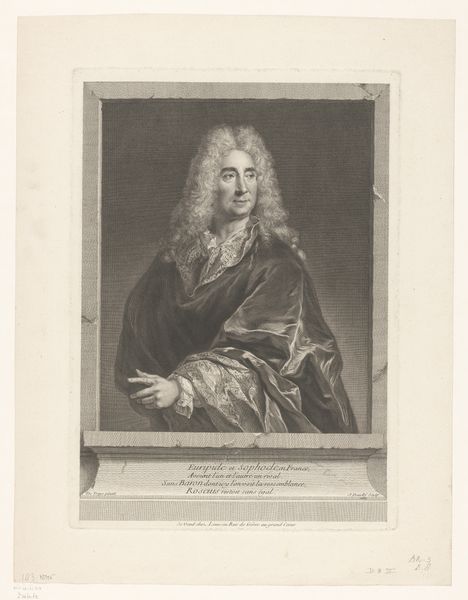
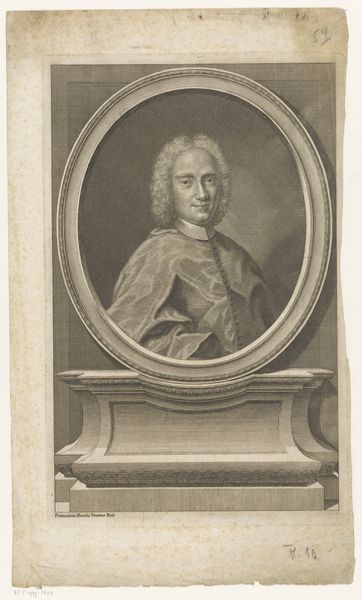
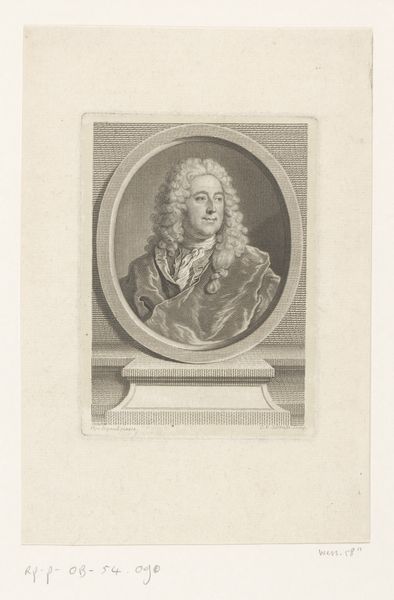
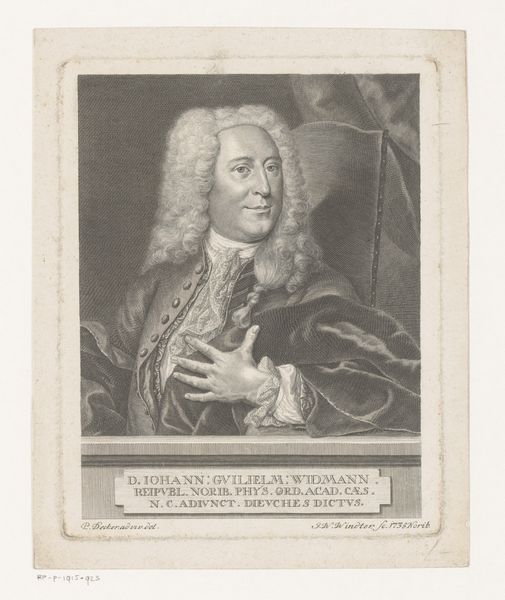
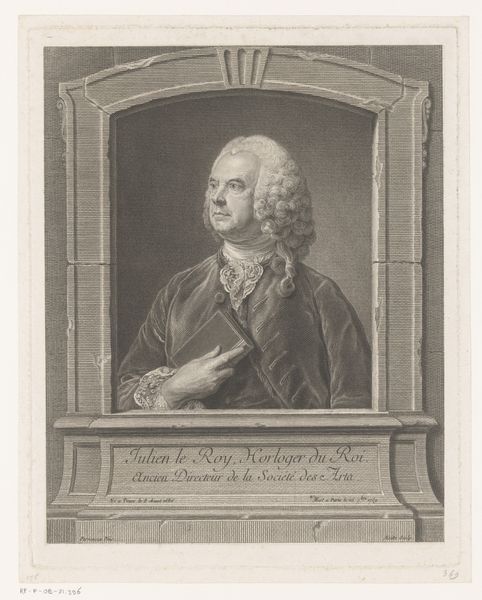
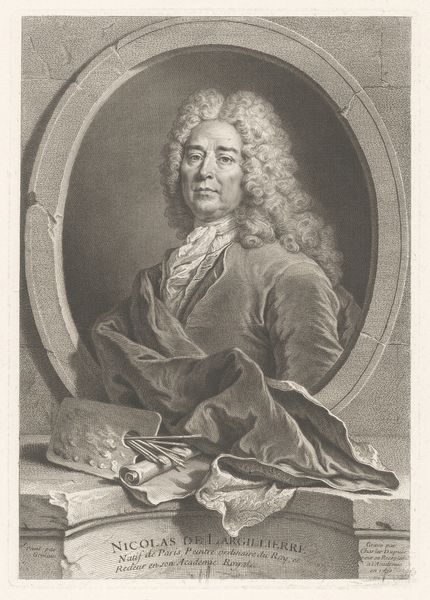
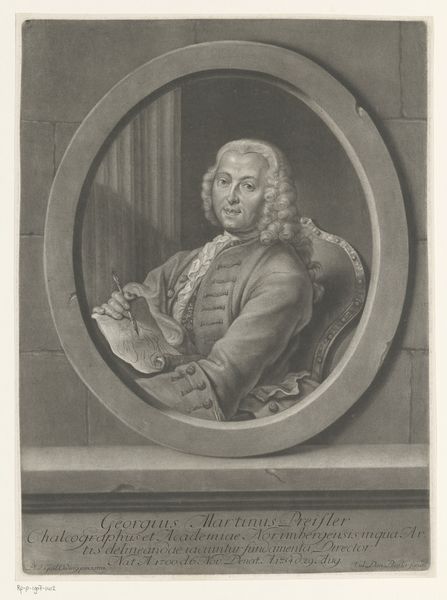
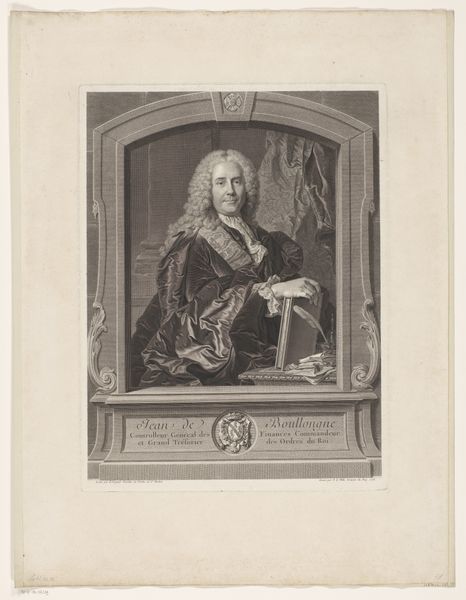
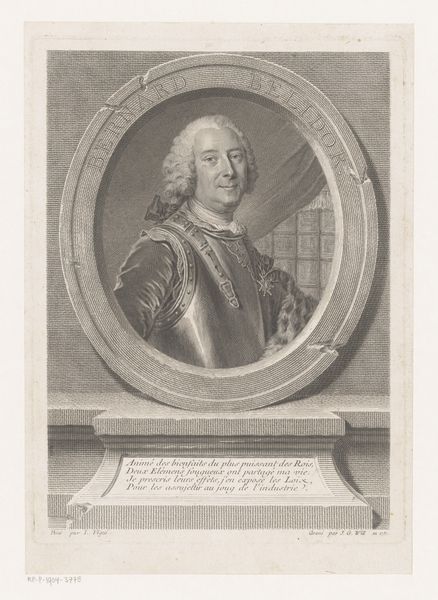
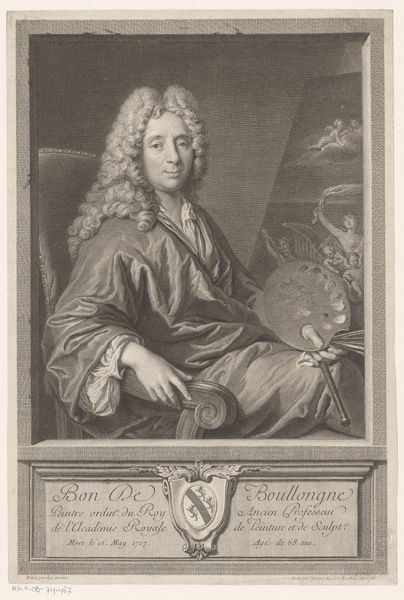
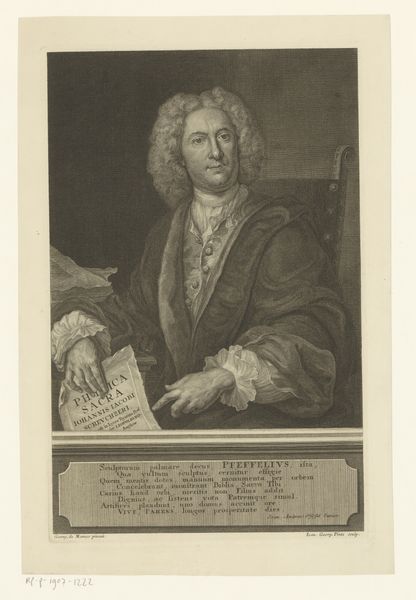
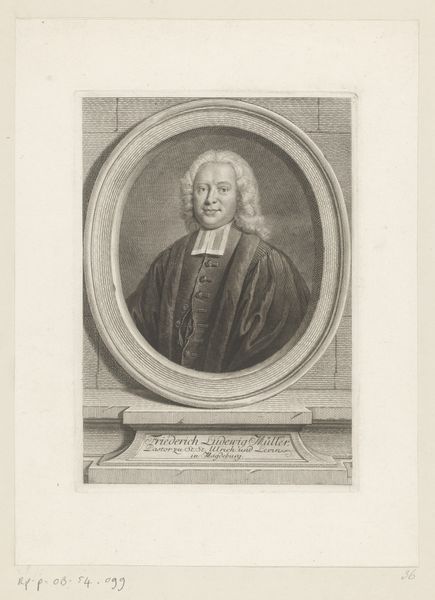
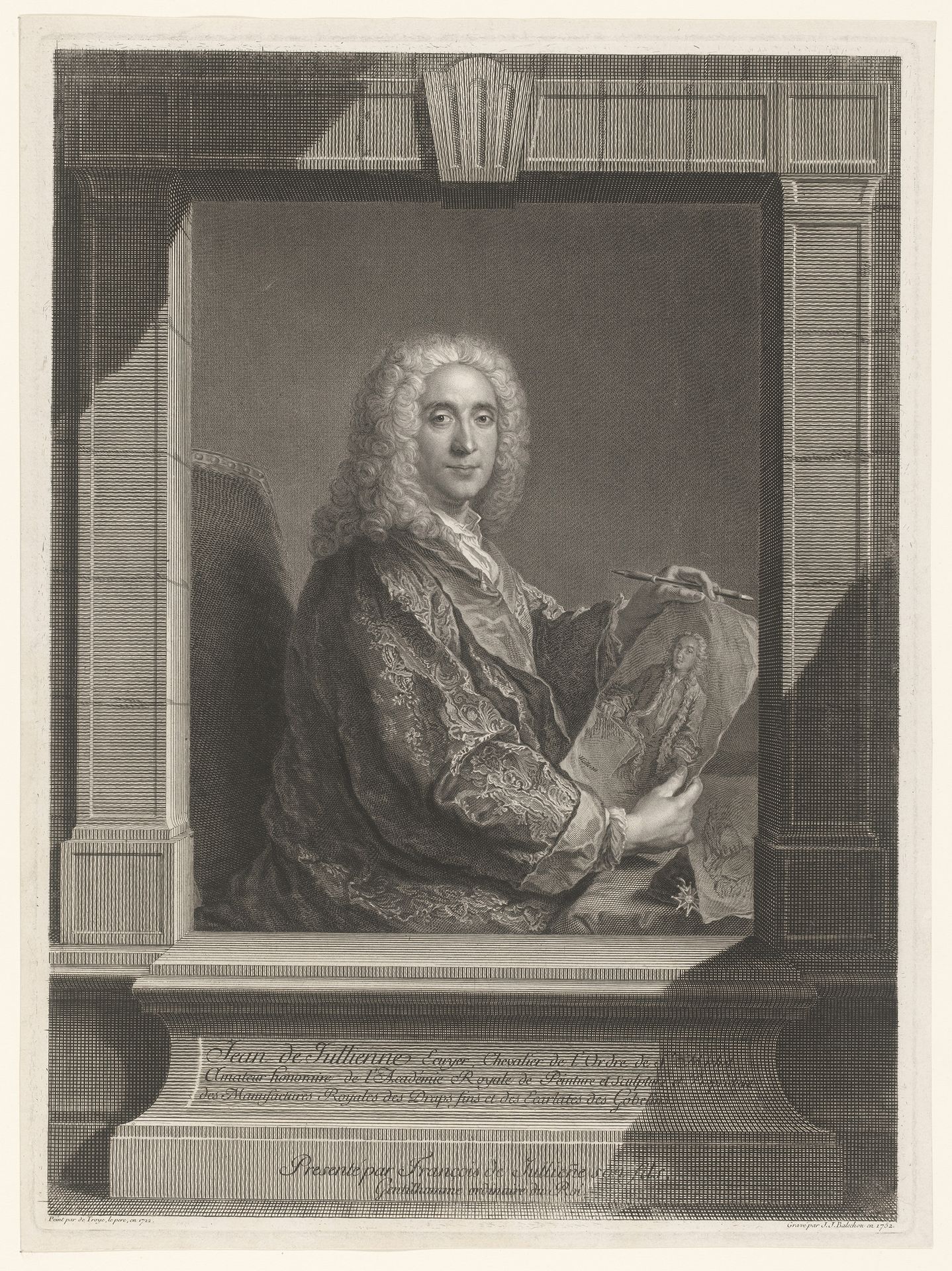
This is Jean-Joseph Balechou's portrait of Jean de Jullienne, made with engraving techniques sometime in the 1700s. Look closely, and you'll see how Balechou used the burin to incise lines into a copper plate, then applied ink to create this print. This process demanded incredible control and precision, a real mastery of the hand. The fine lines create delicate gradations of light and shadow, and capture the textures of fabric and skin. But there's something else to consider here: the role of printmaking in society. Prints like these democratized art, making images accessible to a wider audience beyond the wealthy elite who commissioned paintings. The engraver was a skilled artisan, playing a crucial role in disseminating knowledge and culture. It was a labor-intensive process, but one that ultimately helped shape public taste and opinion. So, next time you look at a print, remember the handwork involved. It’s a reminder that art is not just about individual genius, but about the skills and labor that underpin its creation and circulation.

Artwork details
- Medium
- engraving
- Dimensions
- height 485 mm, width 357 mm
- Copyright
- Rijks Museum: Open Domain
Tags
Comments
Share your thoughts
About this artwork
This is Jean-Joseph Balechou's portrait of Jean de Jullienne, made with engraving techniques sometime in the 1700s. Look closely, and you'll see how Balechou used the burin to incise lines into a copper plate, then applied ink to create this print. This process demanded incredible control and precision, a real mastery of the hand. The fine lines create delicate gradations of light and shadow, and capture the textures of fabric and skin. But there's something else to consider here: the role of printmaking in society. Prints like these democratized art, making images accessible to a wider audience beyond the wealthy elite who commissioned paintings. The engraver was a skilled artisan, playing a crucial role in disseminating knowledge and culture. It was a labor-intensive process, but one that ultimately helped shape public taste and opinion. So, next time you look at a print, remember the handwork involved. It’s a reminder that art is not just about individual genius, but about the skills and labor that underpin its creation and circulation.
Comments
Share your thoughts