About this artwork
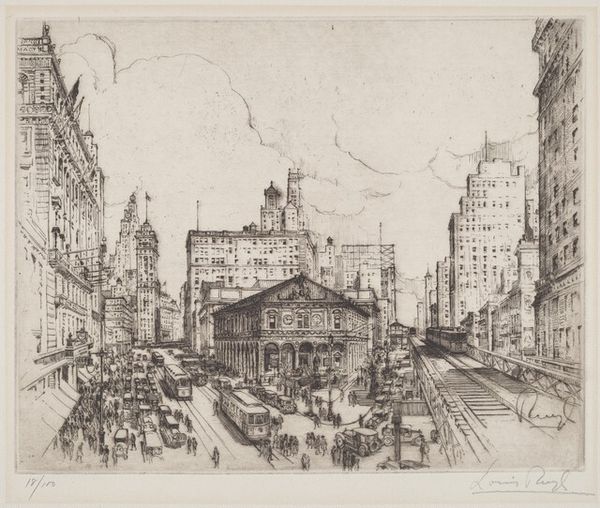
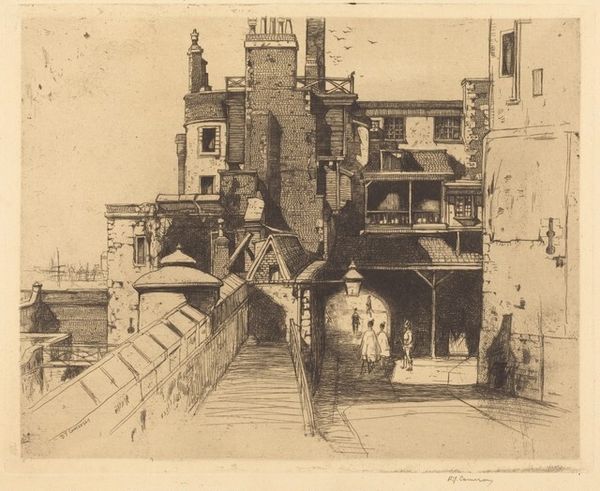
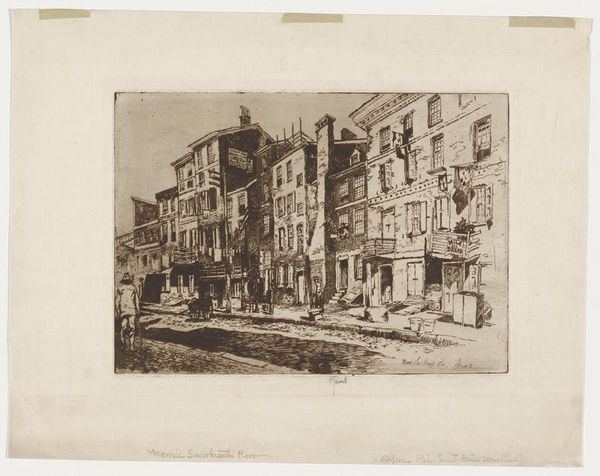
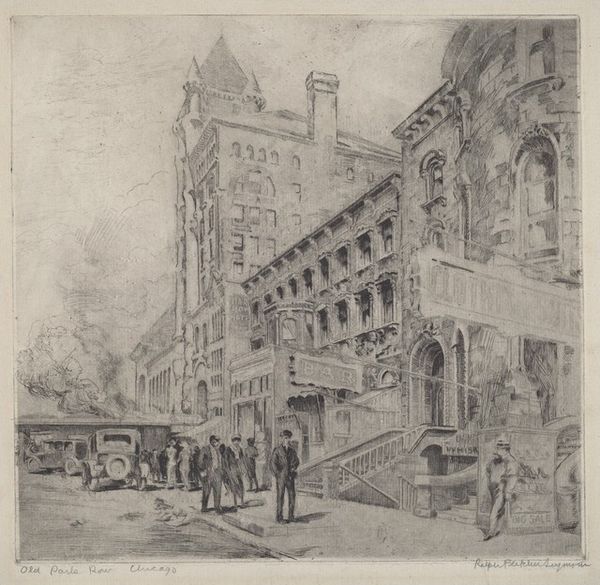
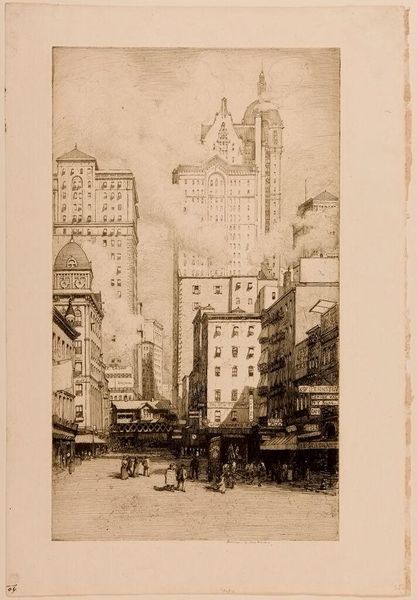
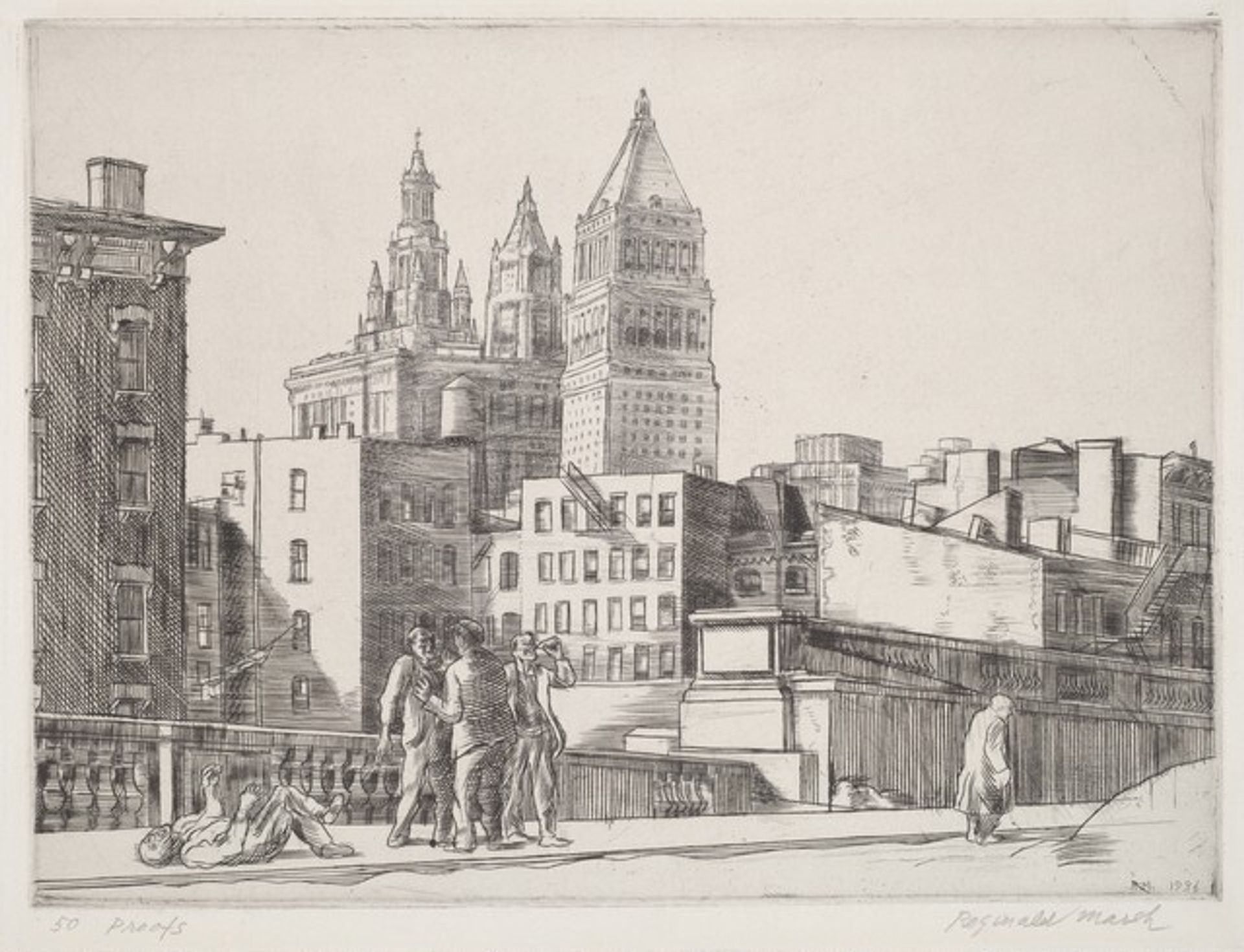
Reginald Marsh created this etching, “A Morning in May,” sometime in the 1930s. The scene captures a slice of urban life during the Depression era in the United States. Marsh was known for his social realism, and here he depicts the everyday experiences of ordinary people. The composition includes a mix of figures. Some appear idle or perhaps homeless, contrasting with the backdrop of towering skyscrapers, symbols of economic power and ambition. Marsh’s focus on the lower classes and working people reflects the social concerns of the time, influenced by the hardships of the economic crisis. His art often served as a critique of the social inequalities that were intensified during this period. To understand Marsh’s work fully, we need to look at the cultural and economic conditions of the 1930s. Researching period photographs, newspapers, and social studies will provide invaluable context, allowing for a more nuanced appreciation of Marsh’s commentary on American society.


Artwork details
- Medium
- Dimensions
- plate: 21 × 28.5 cm (8 1/4 × 11 1/4 in.) sheet: 27.5 × 36.5 cm (10 13/16 × 14 3/8 in.)
- Copyright
- National Gallery of Art: CC0 1.0
Tags
Comments
Share your thoughts
About this artwork
Reginald Marsh created this etching, “A Morning in May,” sometime in the 1930s. The scene captures a slice of urban life during the Depression era in the United States. Marsh was known for his social realism, and here he depicts the everyday experiences of ordinary people. The composition includes a mix of figures. Some appear idle or perhaps homeless, contrasting with the backdrop of towering skyscrapers, symbols of economic power and ambition. Marsh’s focus on the lower classes and working people reflects the social concerns of the time, influenced by the hardships of the economic crisis. His art often served as a critique of the social inequalities that were intensified during this period. To understand Marsh’s work fully, we need to look at the cultural and economic conditions of the 1930s. Researching period photographs, newspapers, and social studies will provide invaluable context, allowing for a more nuanced appreciation of Marsh’s commentary on American society.
Comments
Share your thoughts