About this artwork
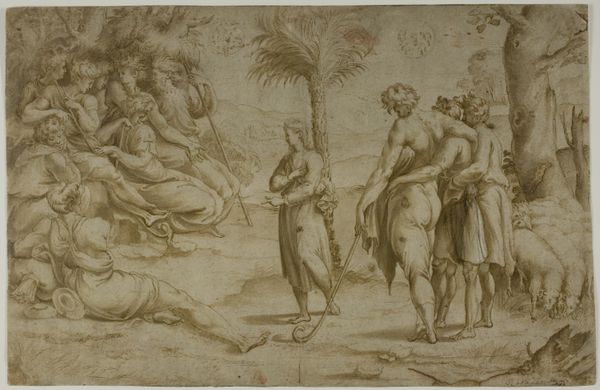
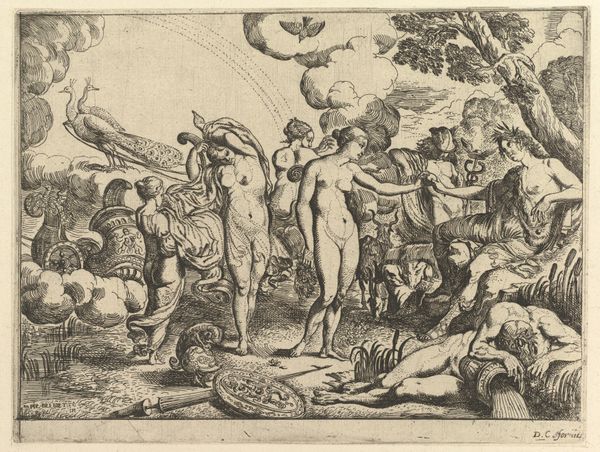
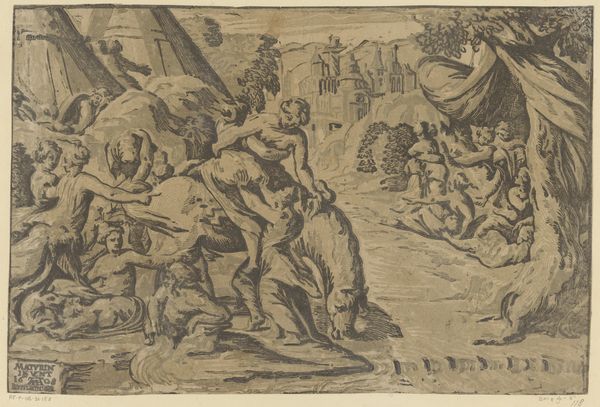
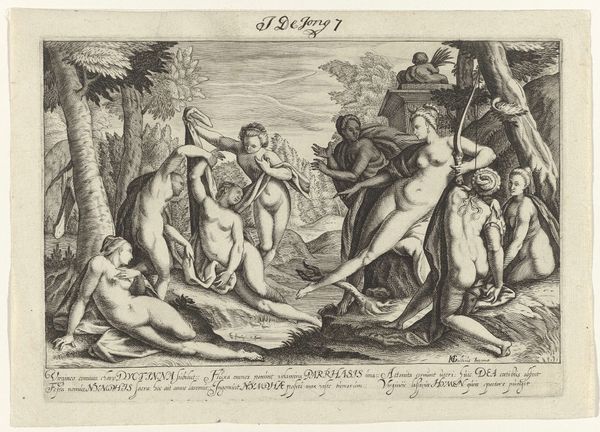
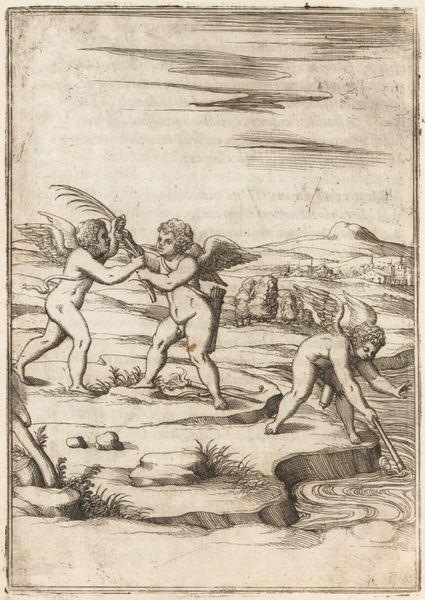
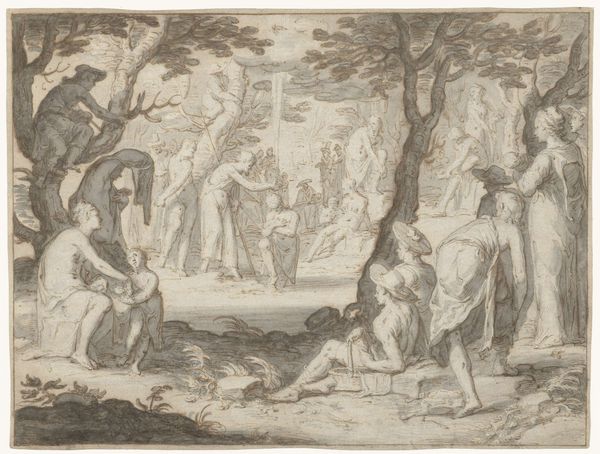
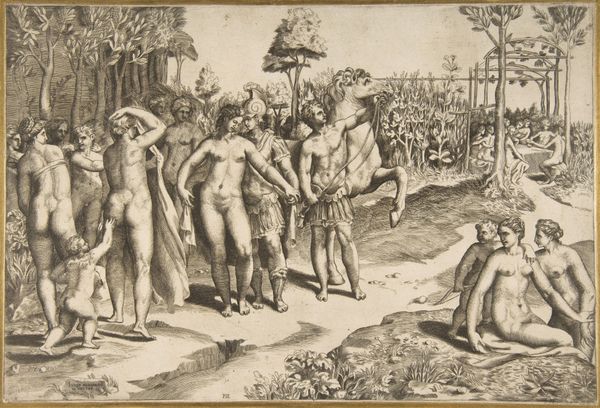
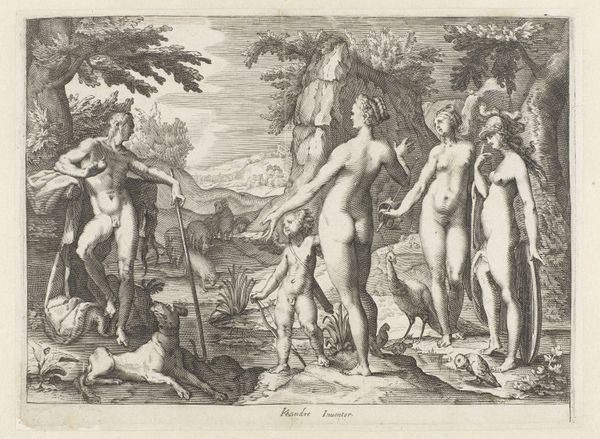
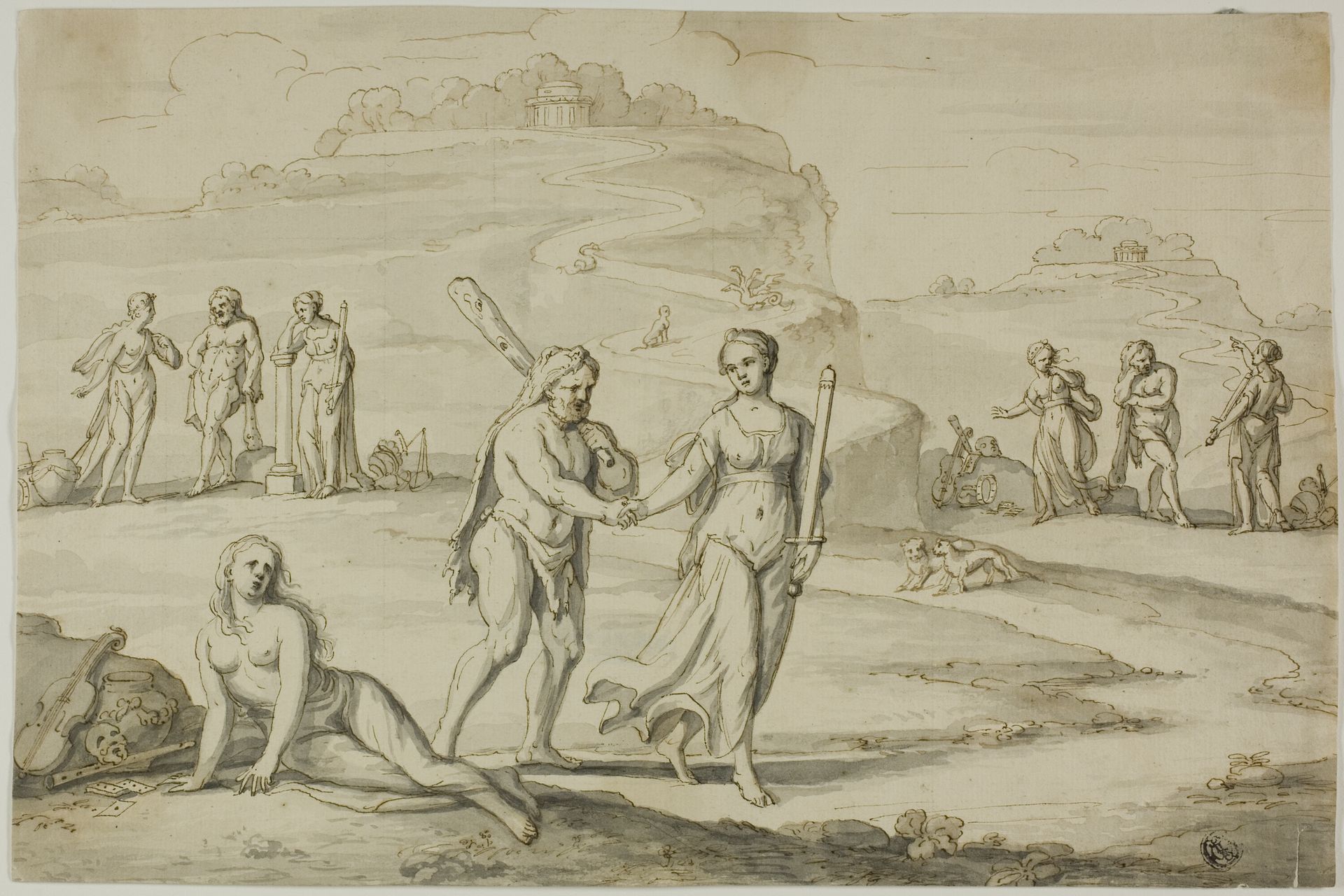
This drawing, "The Choice of Hercules", now at the Art Institute of Chicago, presents us with the classical myth through an anonymous hand. It reflects the cultural values of its time through the narrative of Hercules, a hero torn between vice and virtue. The drawing stages this moral dilemma with Hercules caught between two allegorical figures, each embodying a different path. To his left, Vice reclines amidst symbols of earthly pleasure, while to his right, Virtue stands tall, offering a path of righteousness, marked by a steep and arduous climb. The tale of Hercules was often evoked in elite circles to advocate for moral conduct and good leadership. Yet, we might also see a deeper psychological struggle: the tension between immediate gratification and long-term fulfillment. This work invites us to reflect on the choices we face and the values that shape our identities. It asks: What does it mean to live a virtuous life, and what are the personal and societal costs of choosing one path over another?
The Choice of Hercules n.d


Artwork details
- Medium
- drawing, print, paper, ink, pen
- Dimensions
- 214 × 322 mm
- Location
- The Art Institute of Chicago
- Copyright
- Public Domain
Tags
drawing
allegory
narrative-art
pencil sketch
landscape
charcoal drawing
figuration
paper
ink
classicism
pen
history-painting
academic-art
Comments
No comments
About this artwork
This drawing, "The Choice of Hercules", now at the Art Institute of Chicago, presents us with the classical myth through an anonymous hand. It reflects the cultural values of its time through the narrative of Hercules, a hero torn between vice and virtue. The drawing stages this moral dilemma with Hercules caught between two allegorical figures, each embodying a different path. To his left, Vice reclines amidst symbols of earthly pleasure, while to his right, Virtue stands tall, offering a path of righteousness, marked by a steep and arduous climb. The tale of Hercules was often evoked in elite circles to advocate for moral conduct and good leadership. Yet, we might also see a deeper psychological struggle: the tension between immediate gratification and long-term fulfillment. This work invites us to reflect on the choices we face and the values that shape our identities. It asks: What does it mean to live a virtuous life, and what are the personal and societal costs of choosing one path over another?
Comments
No comments