About this artwork
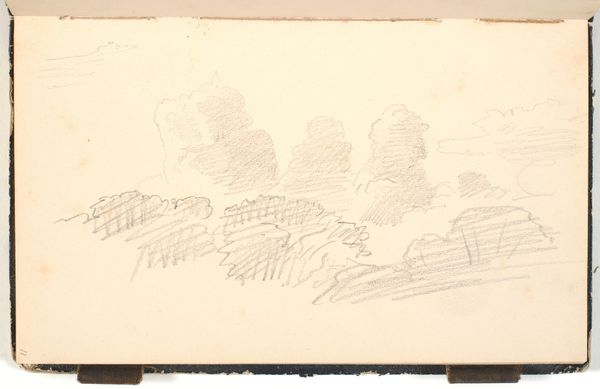
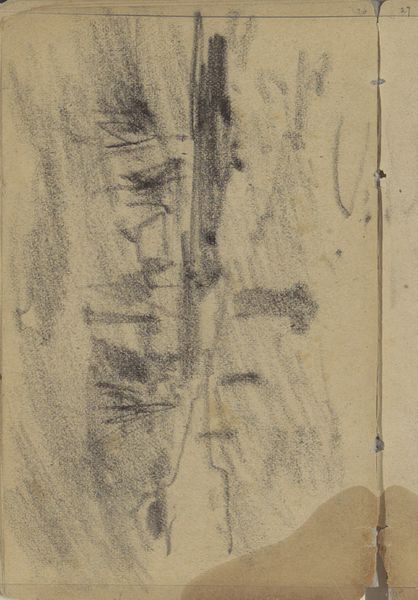
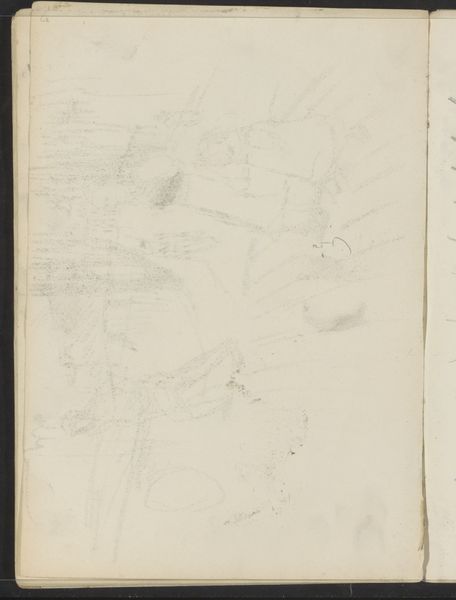
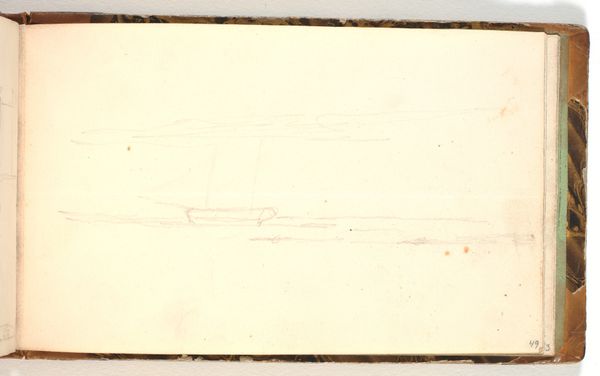
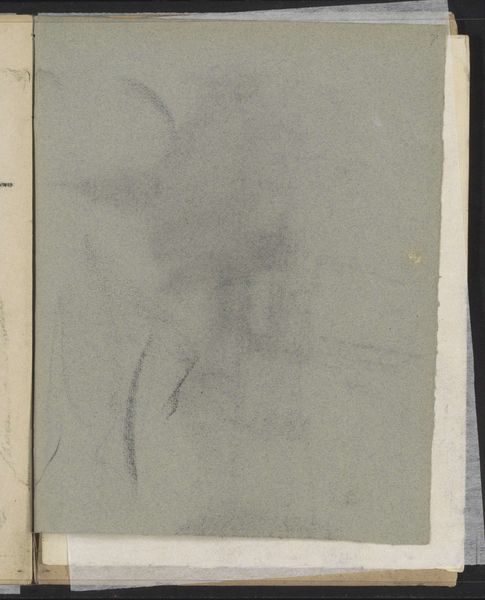
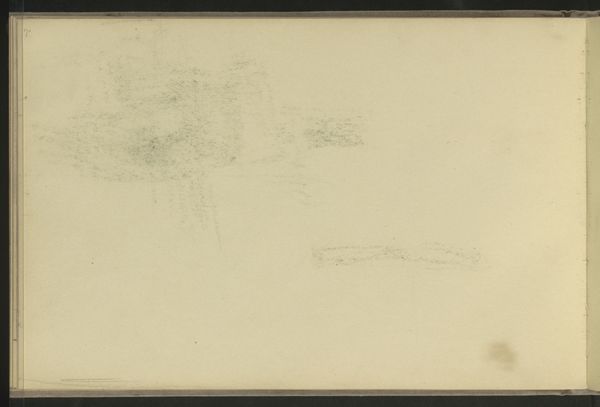
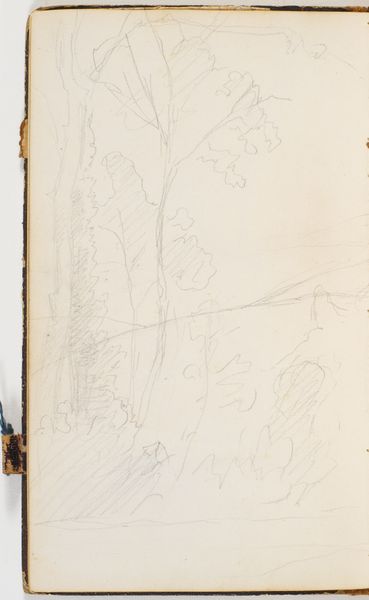
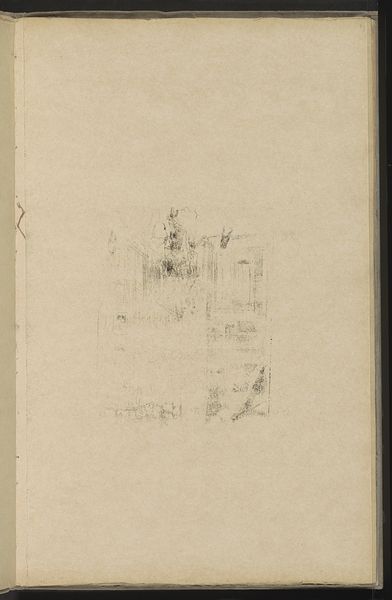
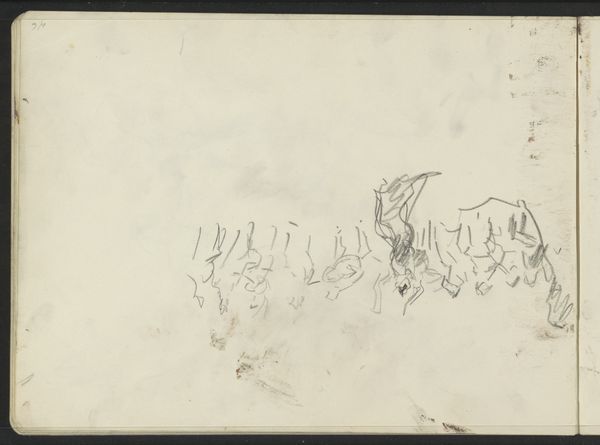
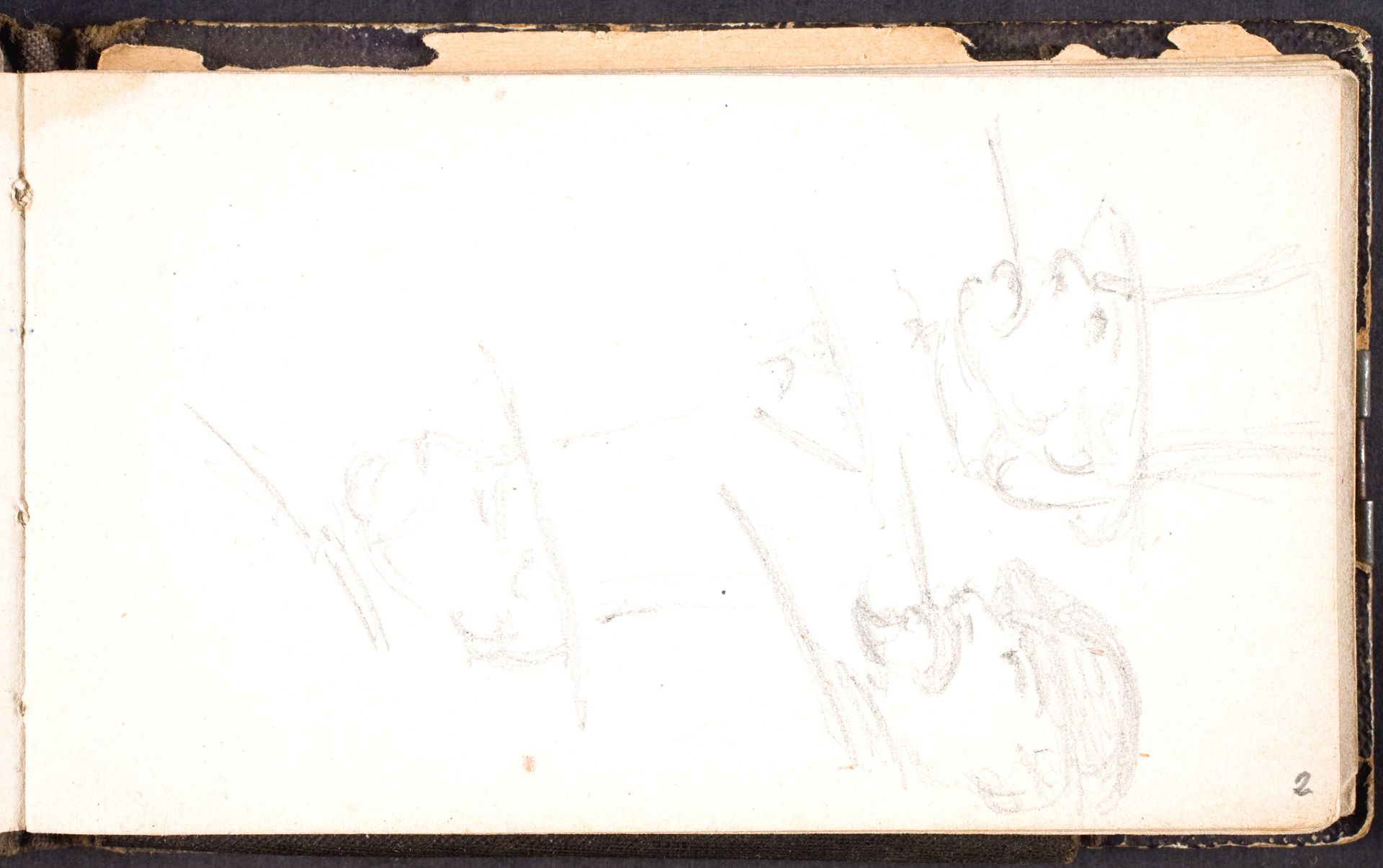
L.A. Schou created these "Studies of Men's Heads" using graphite on paper. A modest pairing of material, but capable of great expression. The artist’s hand is evident in the rapid, searching lines, capturing the essence of the figures with minimal strokes. The softness of graphite allows for subtle gradations of tone and texture, lending depth and volume to the faces, even in this unfinished state. Notice the texture of the paper itself. It has a slight tooth, which catches the graphite and adds a tactile quality to the drawing. The immediacy of the medium suggests a fleeting moment, a quick sketch dashed off to capture an idea or observation. The ease of graphite belies the skill required to wield it effectively. The process of drawing itself becomes a form of embodied knowledge, a direct translation of thought and feeling into visual form. By considering the materials and the artist's hand, we gain a richer appreciation for the subtle power of this work.
Studier af mandshoveder 1864 - 1867


Artwork details
- Medium
- drawing, pencil
- Dimensions
- 71 mm (height) x 118 mm (width) x 14 mm (depth) (monteringsmaal), 63 mm (height) x 113 mm (width) (bladmaal)
- Location
- SMK - Statens Museum for Kunst
Tags
portrait
drawing
figuration
pencil
academic-art
Comments
No comments
About this artwork
L.A. Schou created these "Studies of Men's Heads" using graphite on paper. A modest pairing of material, but capable of great expression. The artist’s hand is evident in the rapid, searching lines, capturing the essence of the figures with minimal strokes. The softness of graphite allows for subtle gradations of tone and texture, lending depth and volume to the faces, even in this unfinished state. Notice the texture of the paper itself. It has a slight tooth, which catches the graphite and adds a tactile quality to the drawing. The immediacy of the medium suggests a fleeting moment, a quick sketch dashed off to capture an idea or observation. The ease of graphite belies the skill required to wield it effectively. The process of drawing itself becomes a form of embodied knowledge, a direct translation of thought and feeling into visual form. By considering the materials and the artist's hand, we gain a richer appreciation for the subtle power of this work.
Comments
No comments