About this artwork
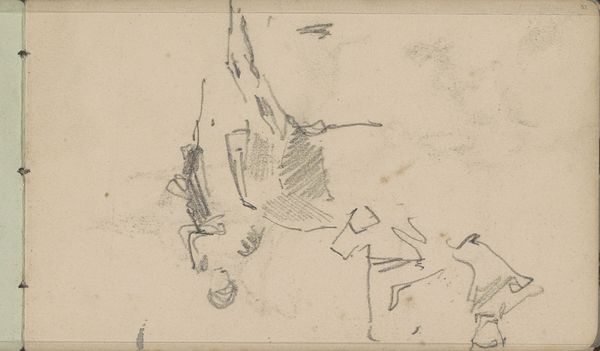
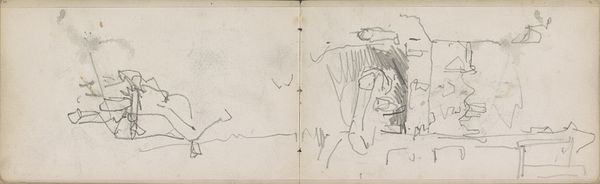
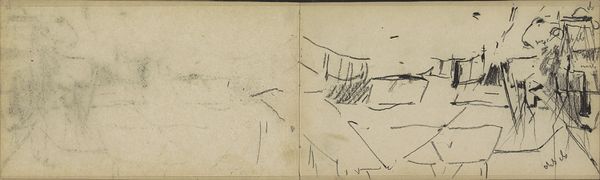
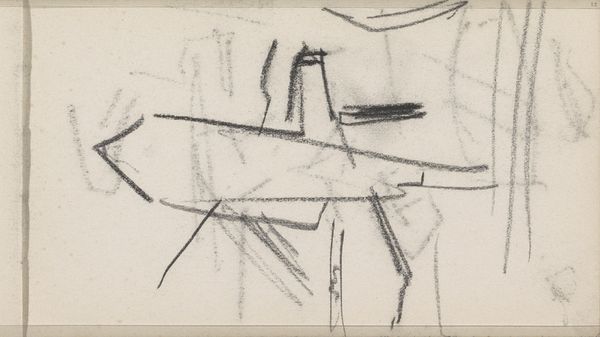
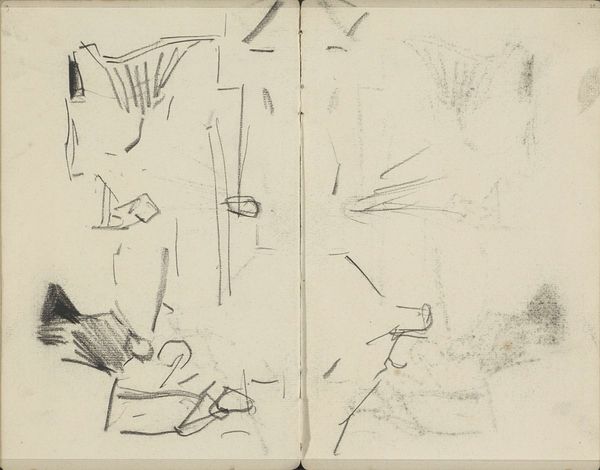
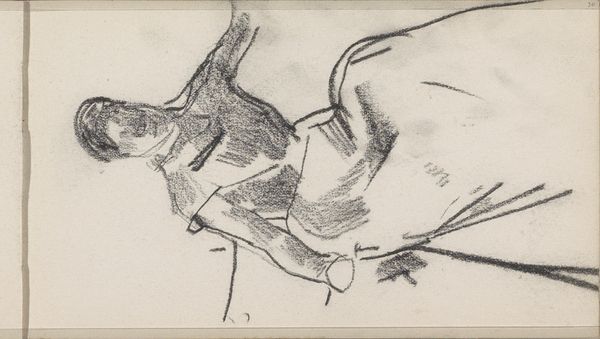
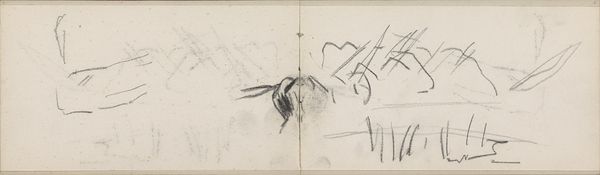
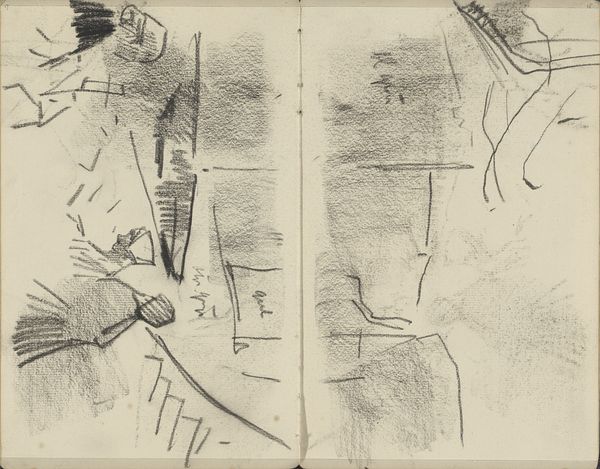
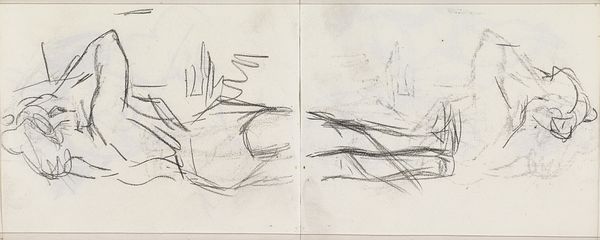
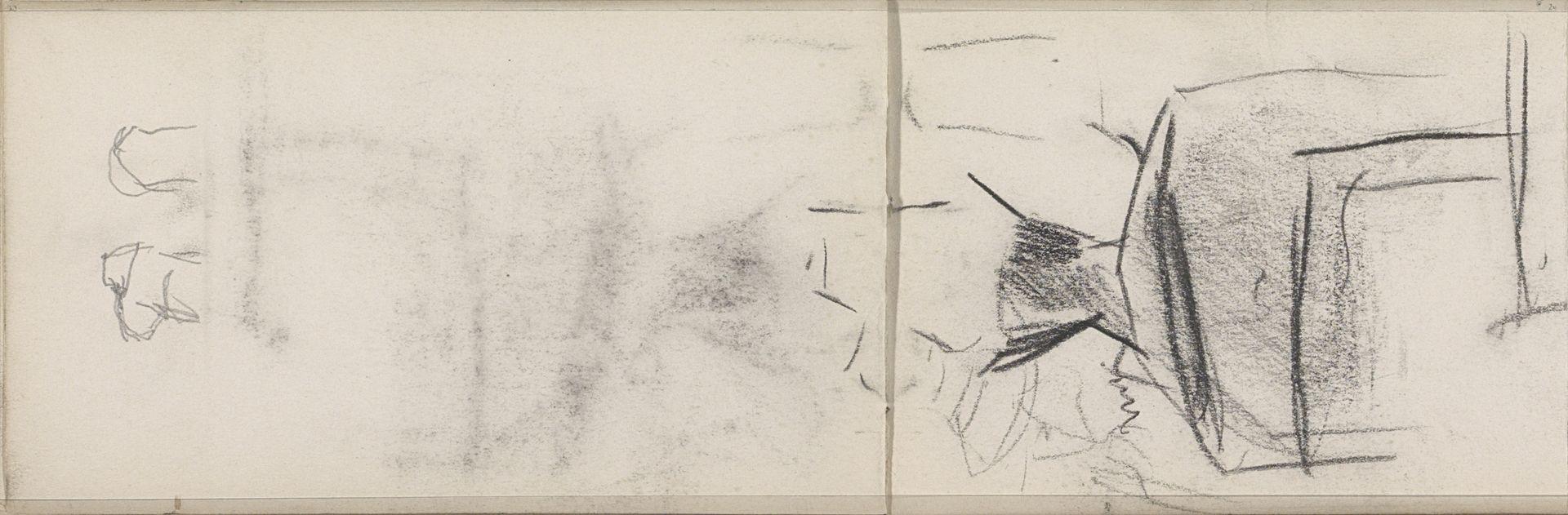
George Hendrik Breitner created this sketch, “Shoes and a Man, Seen From the Back”, using graphite. The composition is divided, almost as if two separate studies were bound together. On the right, a figure, seen from behind, becomes a study in form. On the left, we see sketches of shoes. The dominance of line over form in the sketch emphasizes a structural exploration, common in Breitner's approach. The figure is reduced to planes and angles, almost devoid of personality. This abstraction invites us to consider the subject not as an individual, but as a collection of visual elements and semiotic signs representing the modern condition. The shoes, too, are not just footwear but symbols of movement and urban life. The overall sketch functions as a deconstruction, challenging conventional representation. It invites ongoing re-evaluation, reminding us that art is a process, not a fixed statement.
Schoenen en een man, op de rug gezien c. 1886 - 1890

George Hendrik Breitner
1857 - 1923Location
RijksmuseumArtwork details
- Medium
- drawing, pencil, charcoal
- Location
- Rijksmuseum
- Copyright
- Rijks Museum: Open Domain
Tags
portrait
drawing
impressionism
pencil
charcoal
Comments
No comments
About this artwork
George Hendrik Breitner created this sketch, “Shoes and a Man, Seen From the Back”, using graphite. The composition is divided, almost as if two separate studies were bound together. On the right, a figure, seen from behind, becomes a study in form. On the left, we see sketches of shoes. The dominance of line over form in the sketch emphasizes a structural exploration, common in Breitner's approach. The figure is reduced to planes and angles, almost devoid of personality. This abstraction invites us to consider the subject not as an individual, but as a collection of visual elements and semiotic signs representing the modern condition. The shoes, too, are not just footwear but symbols of movement and urban life. The overall sketch functions as a deconstruction, challenging conventional representation. It invites ongoing re-evaluation, reminding us that art is a process, not a fixed statement.
Comments
No comments