About this artwork
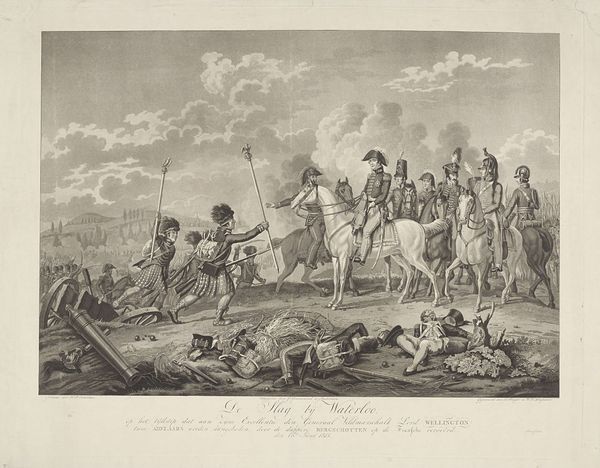
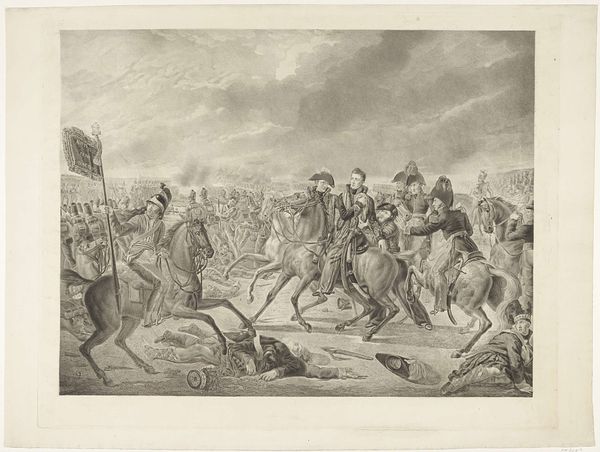
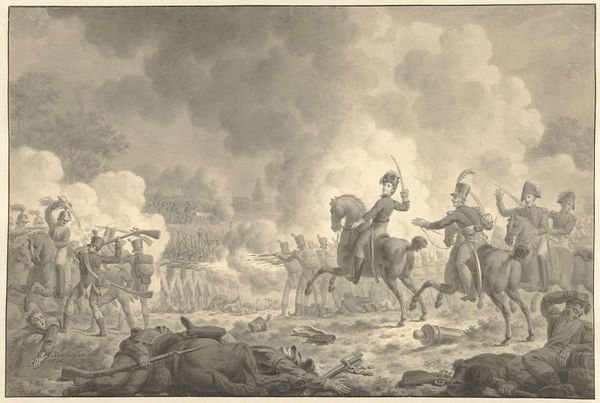
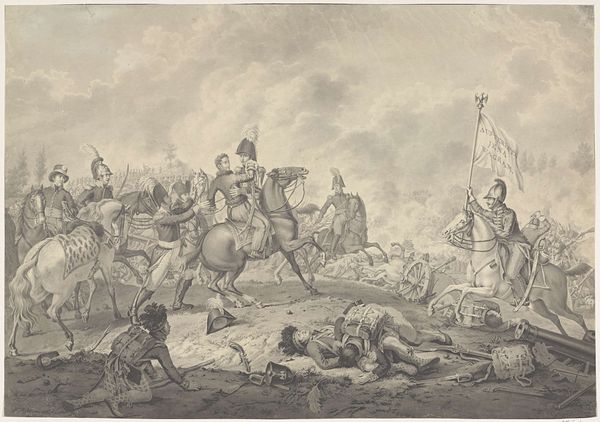
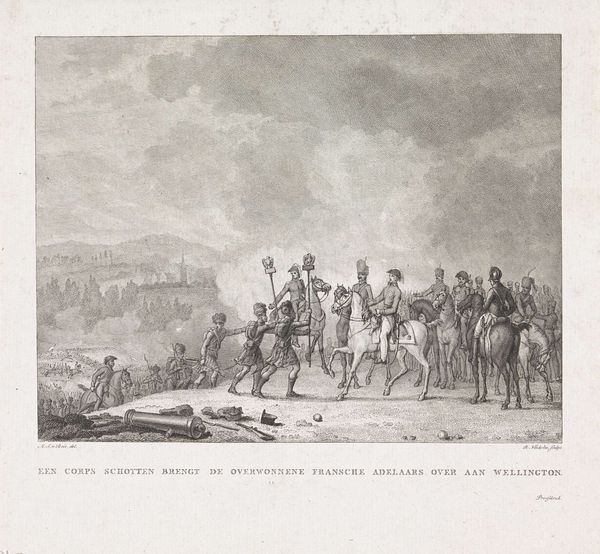
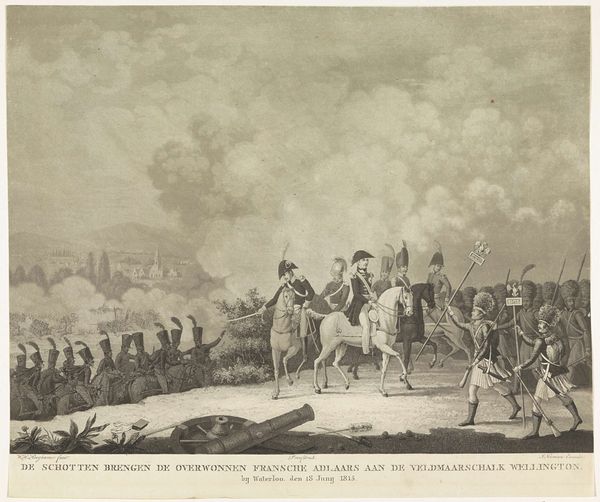
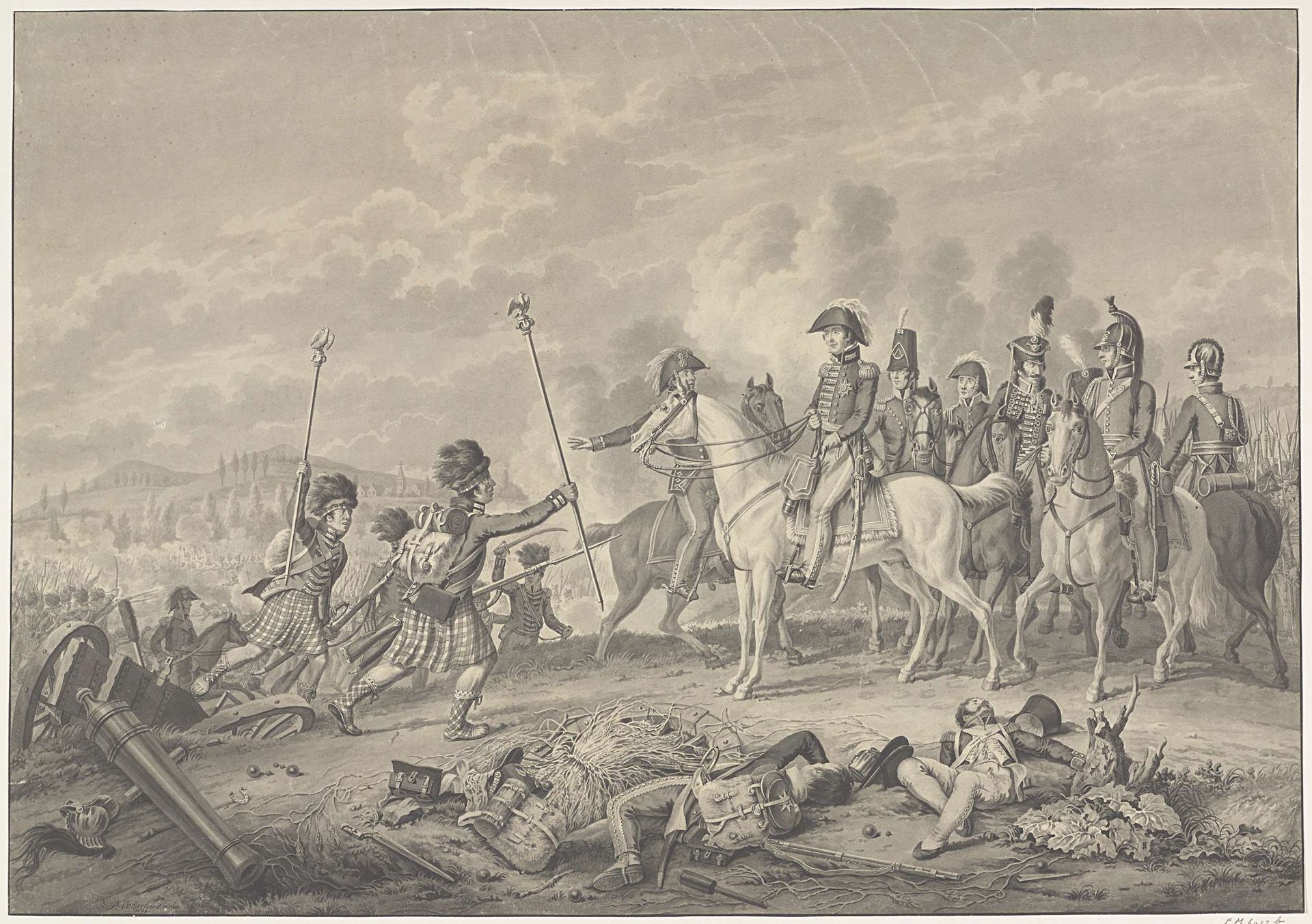
Haatje Pieters Oosterhuis created this artwork in 1815, depicting the Duke of Wellington receiving captured French standards bearing eagles. The eagle, a symbol of power and victory since ancient Rome, is here stripped of its glory, representing defeat. This potent symbol echoes through time. We see the eagle in Roman imperial iconography, later adopted by Charlemagne, then resurrected by Napoleon to evoke imperial grandeur. Its presence here, inverted, speaks volumes about the shifting tides of power. Consider, too, how the collective memory of such symbols influences our perception. The image elicits deep-seated emotions tied to national pride, dominance, and the fear of subjugation. The eagle, once soaring high, now brought low; a stark reminder of the ephemeral nature of power. Ultimately, this image is not just a record of a historical event, but a study of symbols and their enduring psychological impact. It reflects our collective fascination with power, victory, and the cyclical nature of history itself.
Hertog van Wellington ontvangt tijdens de slag bij Waterloo twee op de Fransen veroverde standaarden met adelaars, 1815 1816

Haatje Pieters Oosterhuis
1784 - 1854Location
RijksmuseumArtwork details
- Medium
- print, etching, engraving, mural
- Dimensions
- height 508 mm, width 725 mm
- Location
- Rijksmuseum
- Copyright
- Rijks Museum: Open Domain
Tags
portrait
etching
landscape
romanticism
genre-painting
history-painting
engraving
mural
Comments
No comments
About this artwork
Haatje Pieters Oosterhuis created this artwork in 1815, depicting the Duke of Wellington receiving captured French standards bearing eagles. The eagle, a symbol of power and victory since ancient Rome, is here stripped of its glory, representing defeat. This potent symbol echoes through time. We see the eagle in Roman imperial iconography, later adopted by Charlemagne, then resurrected by Napoleon to evoke imperial grandeur. Its presence here, inverted, speaks volumes about the shifting tides of power. Consider, too, how the collective memory of such symbols influences our perception. The image elicits deep-seated emotions tied to national pride, dominance, and the fear of subjugation. The eagle, once soaring high, now brought low; a stark reminder of the ephemeral nature of power. Ultimately, this image is not just a record of a historical event, but a study of symbols and their enduring psychological impact. It reflects our collective fascination with power, victory, and the cyclical nature of history itself.
Comments
No comments