1627
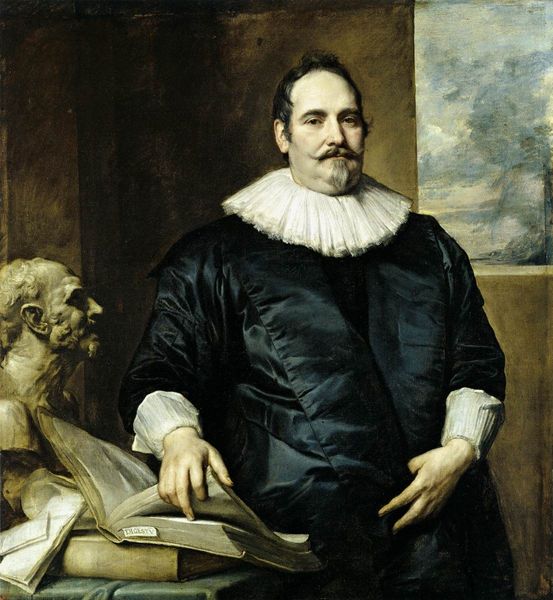
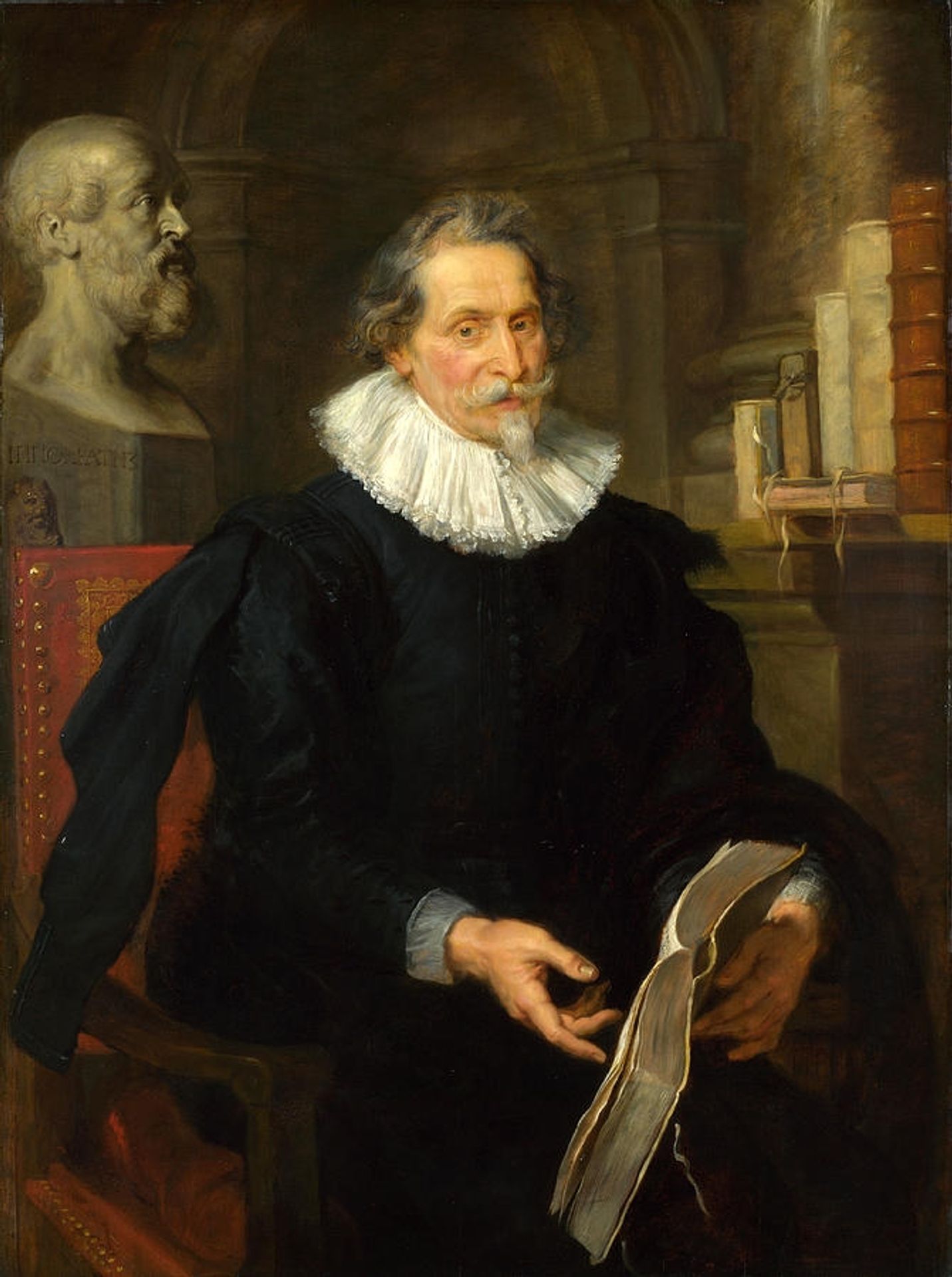
Portrait of Ludovicus Nonnius

Listen to curator's interpretation
Curatorial notes
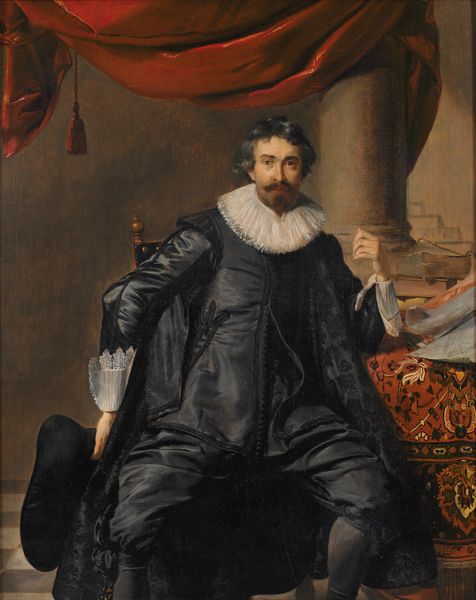
Peter Paul Rubens painted this portrait of Ludovicus Nonnius, a physician, humanist, and numismatist, likely sometime in the early 17th century. Rubens, a leading figure in the Flemish Baroque tradition, captures Nonnius seated amongst the markers of his high status: books, classical sculpture, and fine clothing. During the 17th century, portraits were more than just likenesses; they were powerful declarations of social standing and intellectual prowess. For men like Nonnius, being depicted with the tools of scholarship reinforced their identity as learned members of society. Yet, these depictions were carefully staged, often omitting the realities of social hierarchies, and the struggles for power that underpinned them. Rubens doesn’t just paint a man; he paints an ideal, one that serves to legitimize a certain kind of power. How might we read this image differently, if we considered what it leaves unsaid about the world beyond the frame?