About this artwork
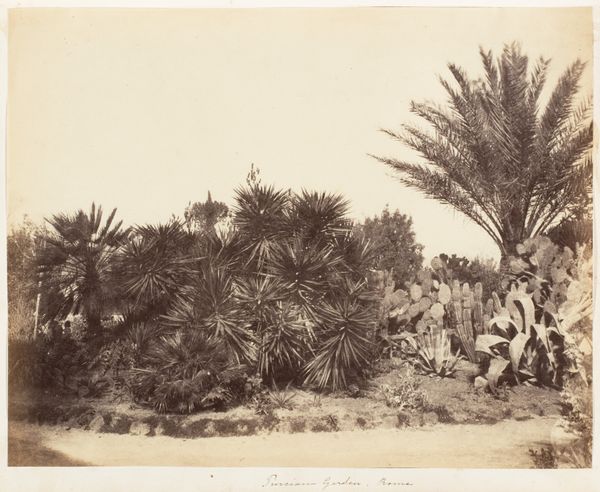
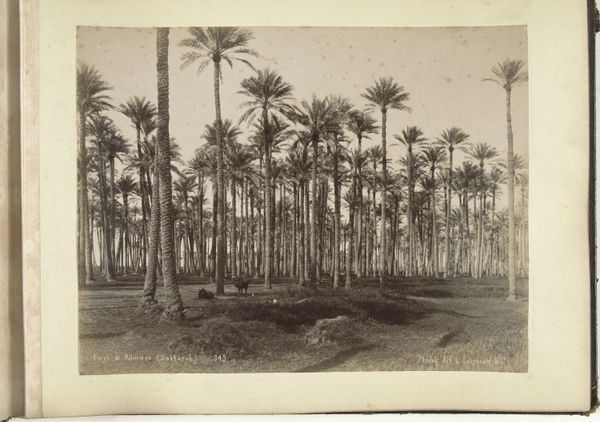
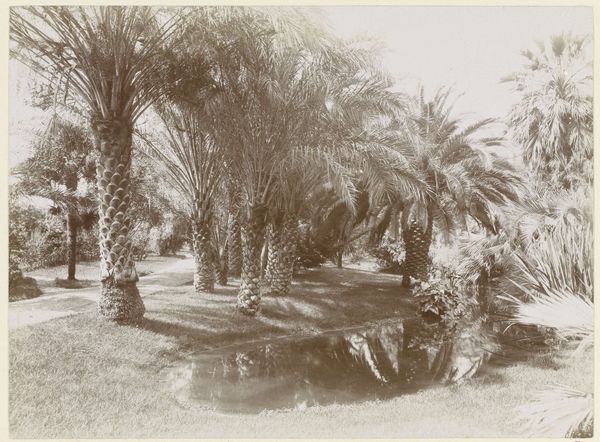
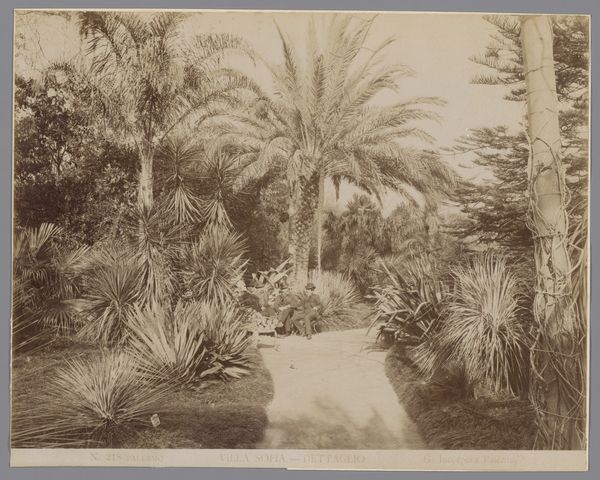
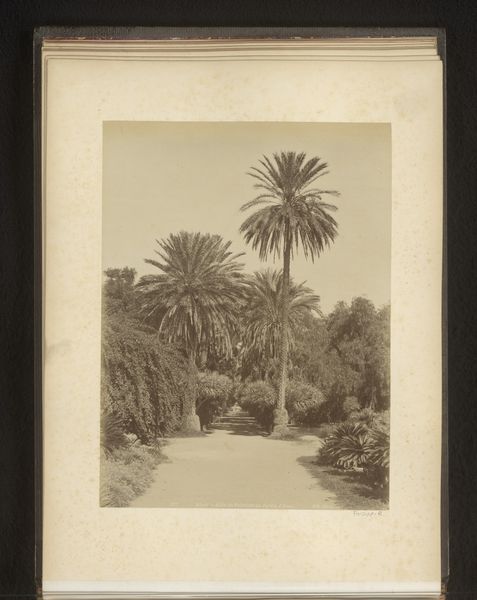
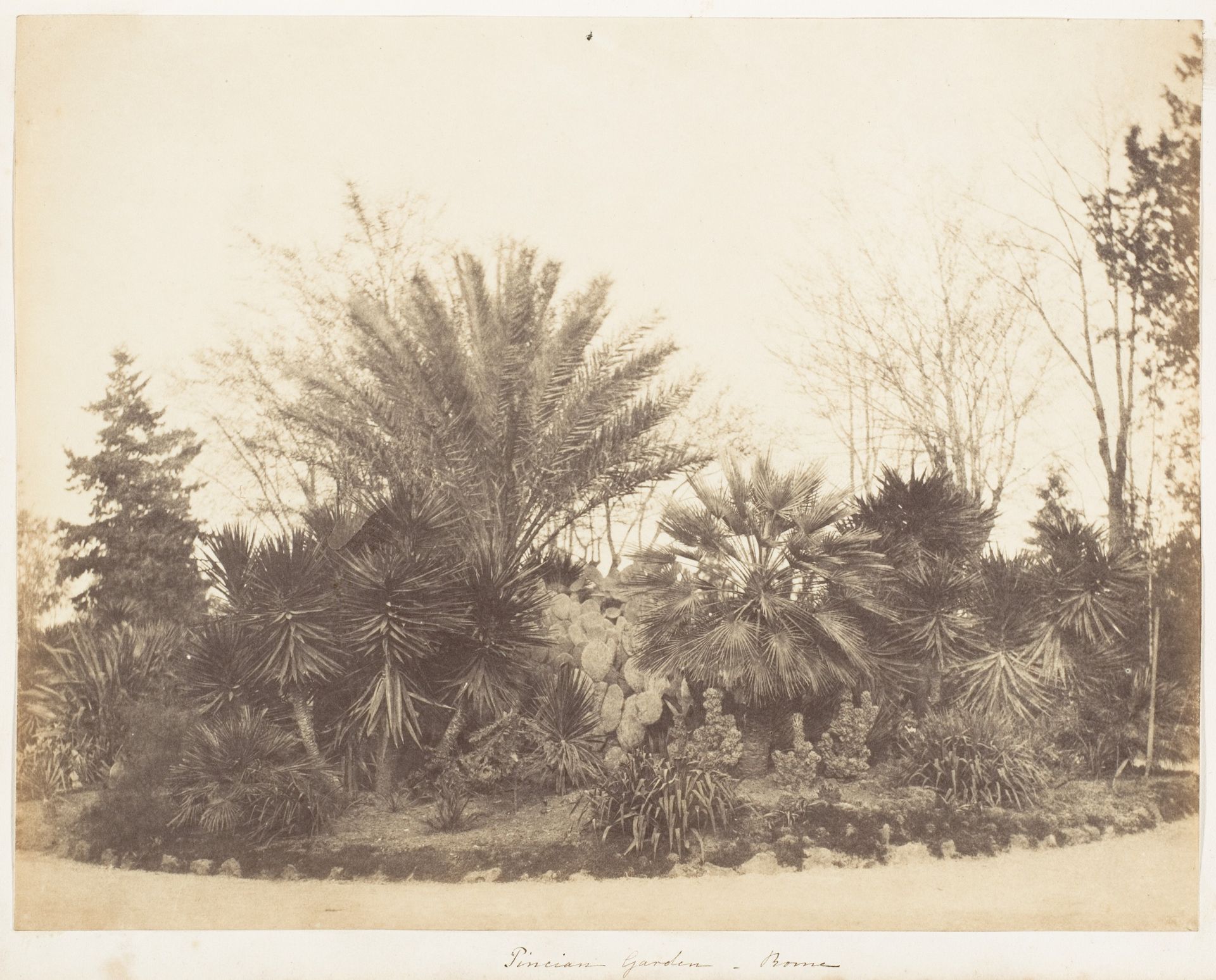
This is an image of the Pincian Garden in Rome, captured by Jane Martha St. John sometime in the mid-nineteenth century. During this era, photography offered women a unique avenue for artistic expression, one less constrained by the traditional expectations of the art world. St. John, like many female photographers, often focused on landscapes and domestic scenes. Here we see a selection of trees and bushes inside the Pincian Garden. What does it mean to look at a photograph of a garden? Gardens have historically been sites of leisure and privilege. This serene image invites reflection on the historical context of travel and leisure, particularly for women of a certain class. How might St. John's gender and social standing have shaped her view of this space? It serves as a gentle reminder of the complex layers of history, identity, and representation embedded within even the most tranquil of scenes.
Pincian Garden, Rome
1853 - 1856

Jane Martha St. John
1801 - 1882
The Metropolitan Museum of Art
Metropolitan Museum of Art, New York, NYArtwork details
- Medium
- photography, albumen-print
- Dimensions
- Image: 19.3 × 25 cm (7 5/8 × 9 13/16 in.)
- Location
- Metropolitan Museum of Art, New York, NY
- Copyright
- Public Domain
Tags
Comments
Share your thoughts
About this artwork
This is an image of the Pincian Garden in Rome, captured by Jane Martha St. John sometime in the mid-nineteenth century. During this era, photography offered women a unique avenue for artistic expression, one less constrained by the traditional expectations of the art world. St. John, like many female photographers, often focused on landscapes and domestic scenes. Here we see a selection of trees and bushes inside the Pincian Garden. What does it mean to look at a photograph of a garden? Gardens have historically been sites of leisure and privilege. This serene image invites reflection on the historical context of travel and leisure, particularly for women of a certain class. How might St. John's gender and social standing have shaped her view of this space? It serves as a gentle reminder of the complex layers of history, identity, and representation embedded within even the most tranquil of scenes.
Comments
Share your thoughts