About this artwork
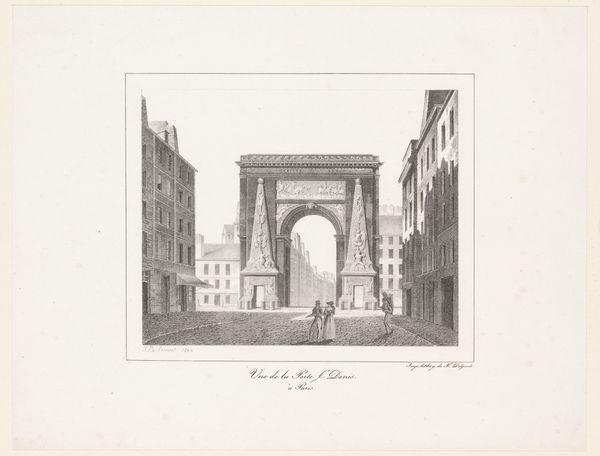
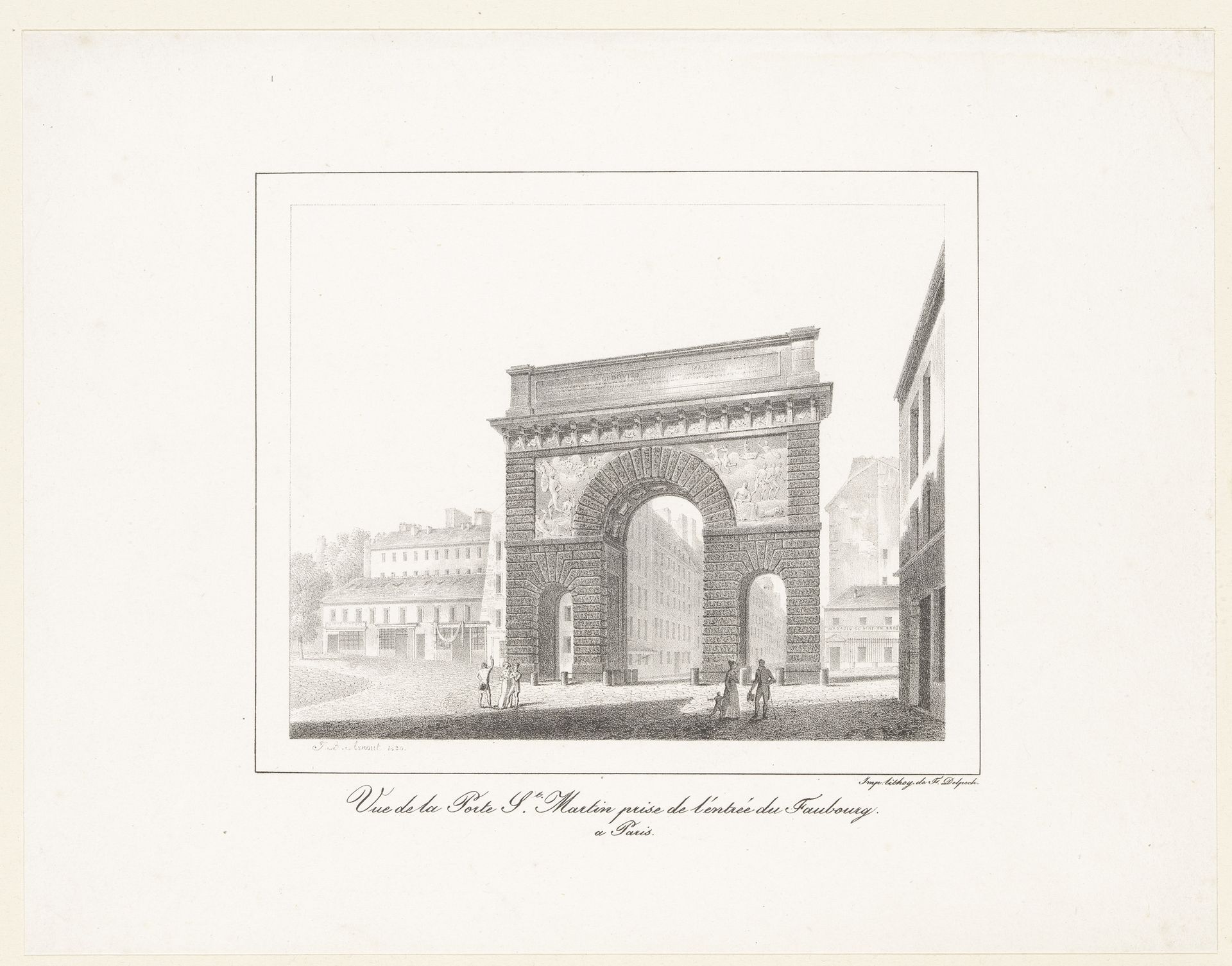
Jean-Baptiste Arnout made this print of the Porte Saint-Martin in Paris at an unknown date. Constructed in the late 17th century during the reign of Louis XIV, the Porte Saint-Martin was one of several triumphal arches built to glorify the king's military victories. This image reduces the monument to a mere passage. Rather than exalting military power, the arch is simply a backdrop for the everyday life of Parisians. The print’s emphasis on the mundane is quite typical of its time. After the French Revolution, the public role of art shifted dramatically, and a new interest arose in depicting scenes from everyday life. To understand Arnout’s work, we can look at popular prints and other images from the era. These resources provide valuable insights into the social and institutional contexts that shaped the production and reception of art.
Zicht op de Porte Saint-Martin aan de noordzijde van Parijs
1820

Jean-Baptiste Arnout
1788 - 1865Location
RijksmuseumArtwork details
- Medium
- print, engraving
- Dimensions
- height 247 mm, width 319 mm
- Location
- Rijksmuseum
- Copyright
- Rijks Museum: Open Domain
Tags
neoclacissism
landscape
cityscape
engraving
Comments
Be the first to share your thoughts about this work.
About this artwork
Jean-Baptiste Arnout made this print of the Porte Saint-Martin in Paris at an unknown date. Constructed in the late 17th century during the reign of Louis XIV, the Porte Saint-Martin was one of several triumphal arches built to glorify the king's military victories. This image reduces the monument to a mere passage. Rather than exalting military power, the arch is simply a backdrop for the everyday life of Parisians. The print’s emphasis on the mundane is quite typical of its time. After the French Revolution, the public role of art shifted dramatically, and a new interest arose in depicting scenes from everyday life. To understand Arnout’s work, we can look at popular prints and other images from the era. These resources provide valuable insights into the social and institutional contexts that shaped the production and reception of art.
Comments
Be the first to share your thoughts about this work.