1848 - 1888
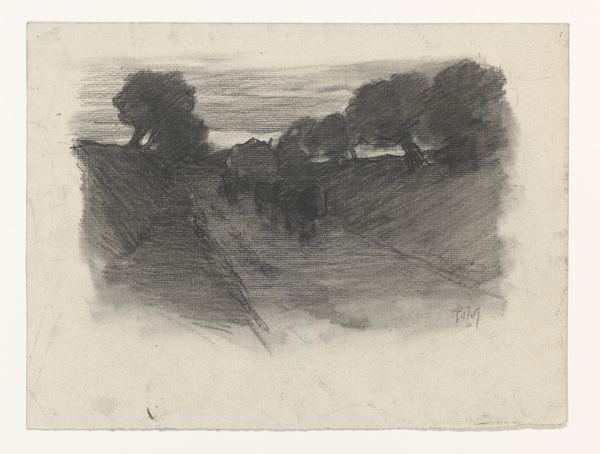
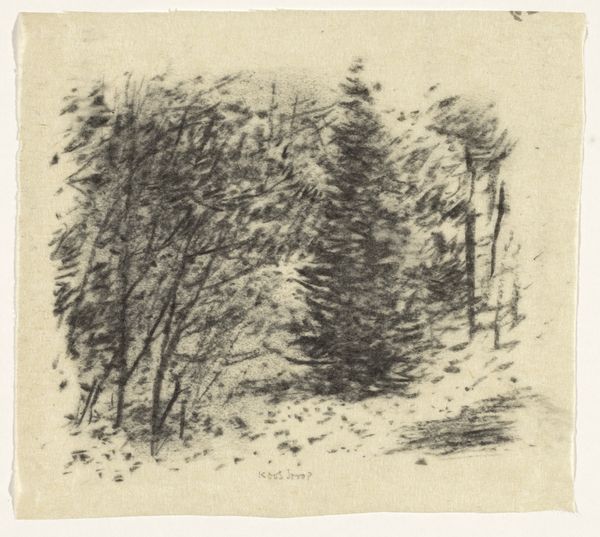
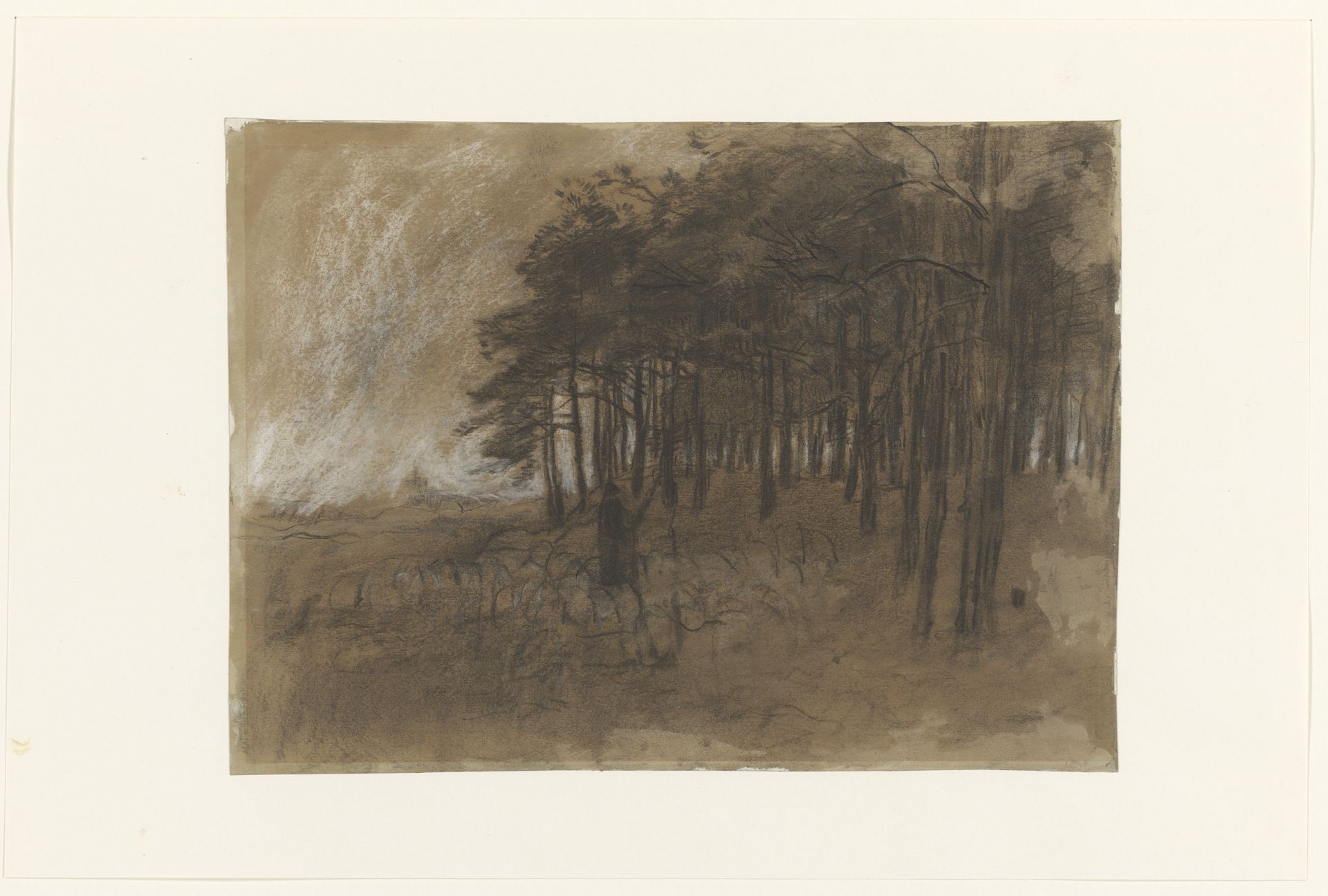
Bosrand

Anton Mauve
1838 - 1888Location
RijksmuseumListen to curator's interpretation
Curatorial notes
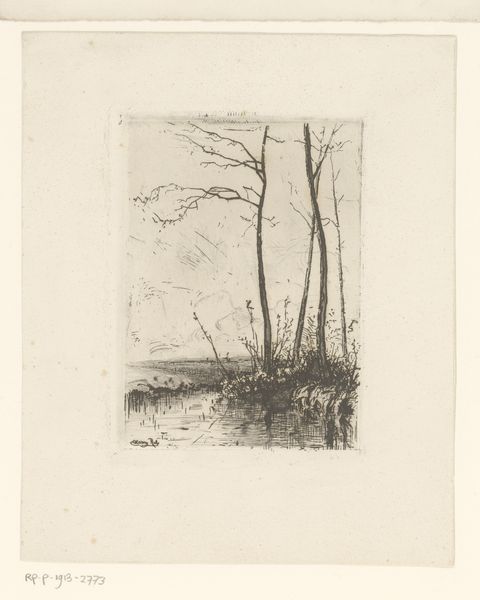
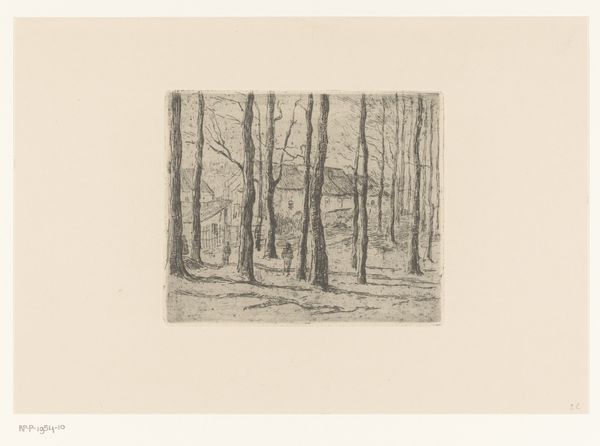
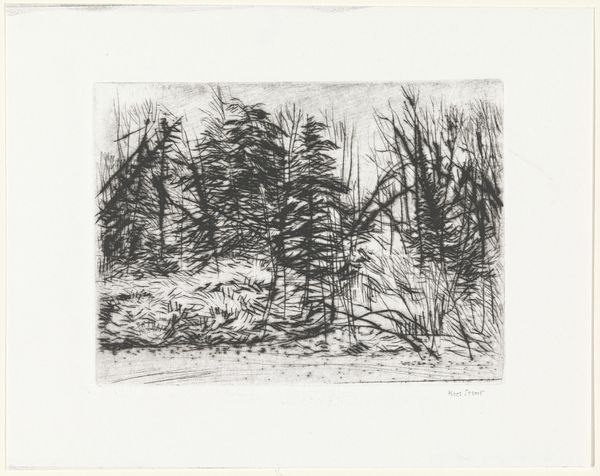
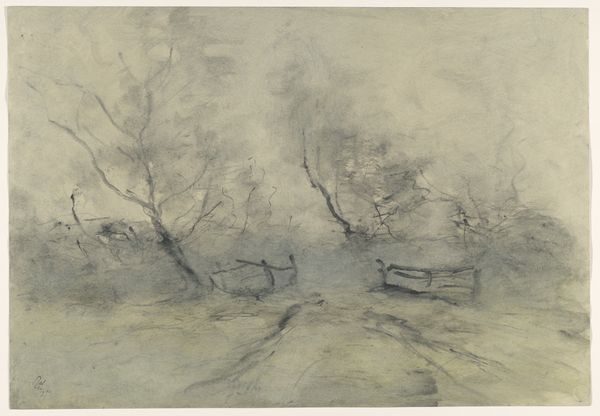
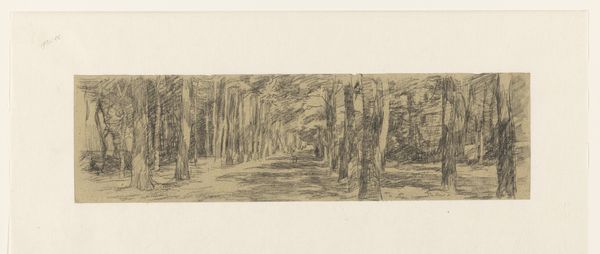
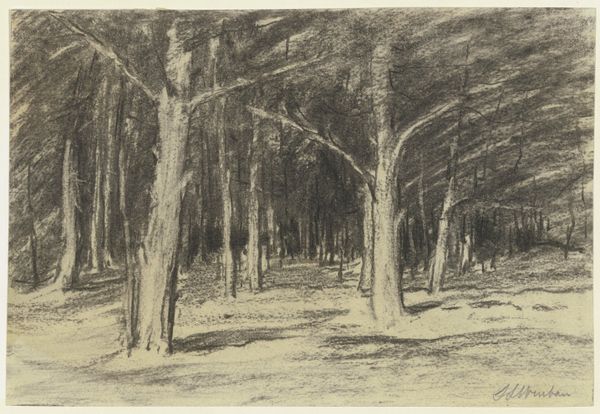
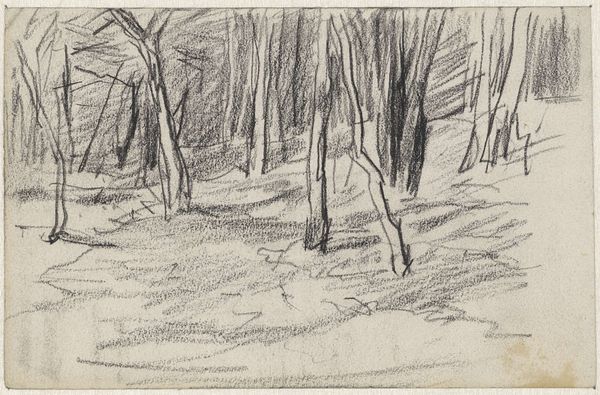
Anton Mauve made this drawing called ‘Bosrand’ with black chalk and stump on paper. The art world of the late 19th century Netherlands was increasingly defined by institutions and movements. Artists grappled with questions of national identity, and the role of art in reflecting modern life. Mauve's landscape embodies the values of the Hague School, focused on the ordinary, rural life, and the atmospheric qualities of the Dutch landscape. The scene creates meaning through its muted tones, and emphasis on the effects of light and atmosphere, that evoke a distinct sense of place. Mauve and his contemporaries turned to the French Barbizon School as a model, establishing the Hollandsche Teekenmaatschappij in 1876, a society for Dutch Etchers. Understanding Mauve’s work involves looking at exhibition catalogues, reviews, and the writings of contemporary critics, helping us to understand its place in the art world. The meaning of art is always tied to its social and institutional context.