About this artwork
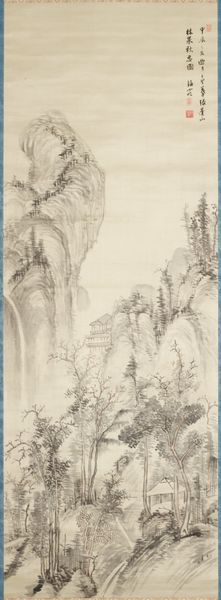
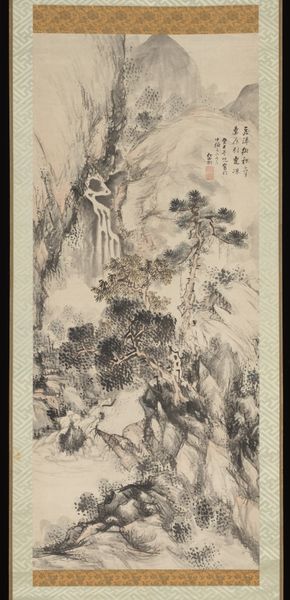
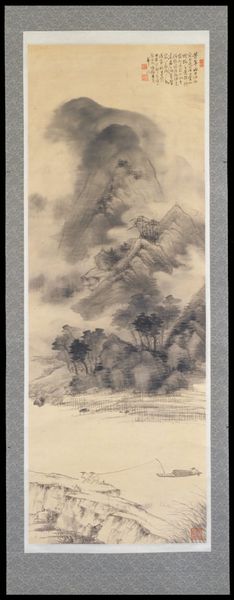
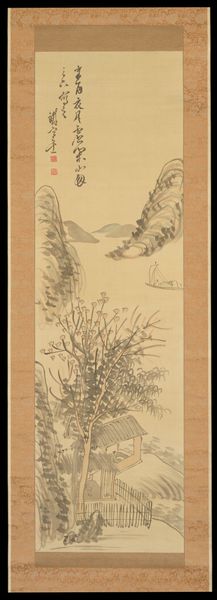
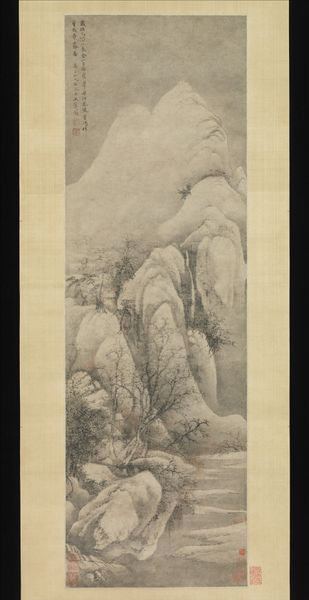
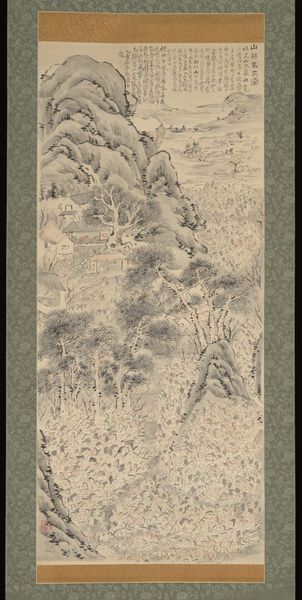
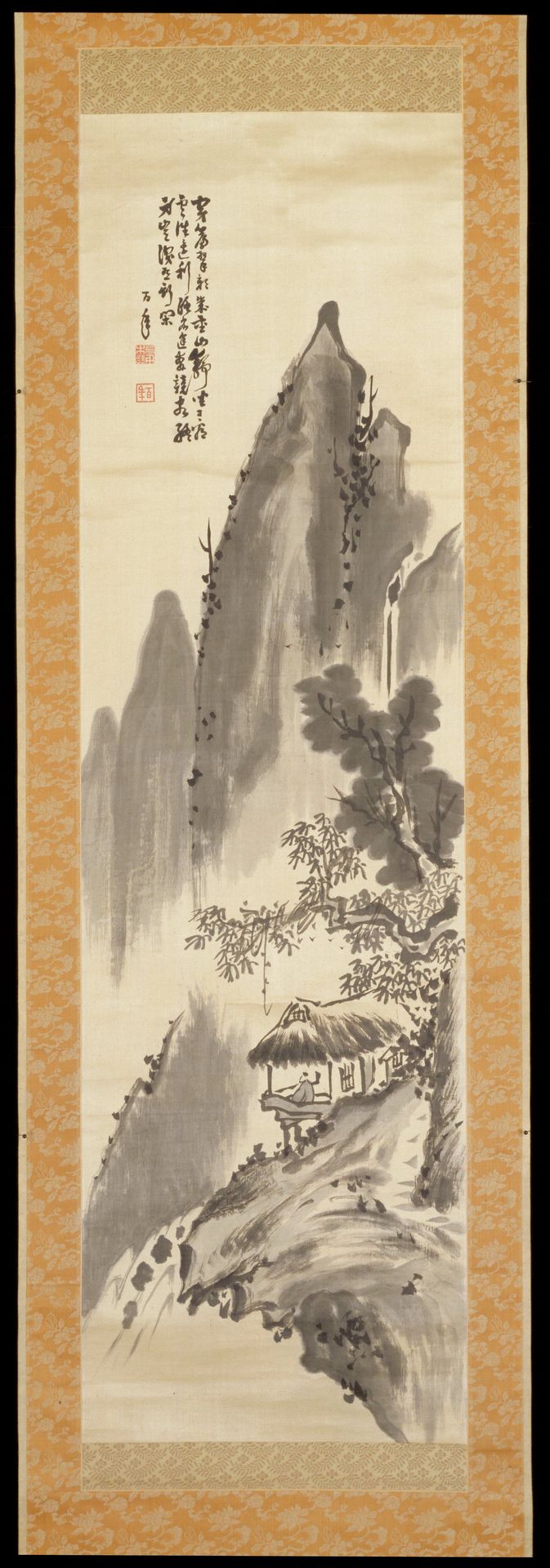
Suzuki Hyakunen painted this ink landscape in the mid-to-late 19th century. Hyakunen, working during a period of immense social and cultural change in Japan, creates a landscape that seems to long for a bygone era. Notice the lone figure in the small pavilion, a scholar perhaps, gazing out at the misty mountains. This imagery is deeply rooted in the Chinese literati tradition, where nature is not just scenery, but a mirror reflecting one's inner state. The monochromatic ink suggests a sense of simplicity, of stripping away the superficial to find deeper meaning. In a time of rapid modernization, artists like Hyakunen turned to these classical themes, perhaps seeking solace or a sense of continuity. This work invites us to consider our place in a rapidly changing world, and the enduring human need for reflection and connection with nature. The landscape pulls you in, doesn't it?
Ink Landscape
c. 19th century


Artwork details
- Medium
- drawing, painting, paper, hanging-scroll, ink
- Dimensions
- 49 3/8 x 14 7/16 in. (125.41 x 36.67 cm) (image)
- Location
- Minneapolis Institute of Art
- Copyright
- Public Domain
Tags
Comments
Share your thoughts
About this artwork
Suzuki Hyakunen painted this ink landscape in the mid-to-late 19th century. Hyakunen, working during a period of immense social and cultural change in Japan, creates a landscape that seems to long for a bygone era. Notice the lone figure in the small pavilion, a scholar perhaps, gazing out at the misty mountains. This imagery is deeply rooted in the Chinese literati tradition, where nature is not just scenery, but a mirror reflecting one's inner state. The monochromatic ink suggests a sense of simplicity, of stripping away the superficial to find deeper meaning. In a time of rapid modernization, artists like Hyakunen turned to these classical themes, perhaps seeking solace or a sense of continuity. This work invites us to consider our place in a rapidly changing world, and the enduring human need for reflection and connection with nature. The landscape pulls you in, doesn't it?
Comments
Share your thoughts