About this artwork
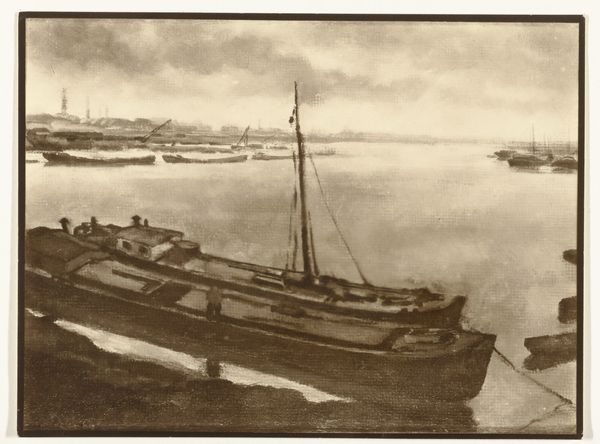
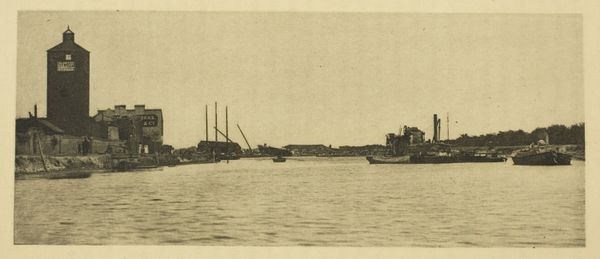
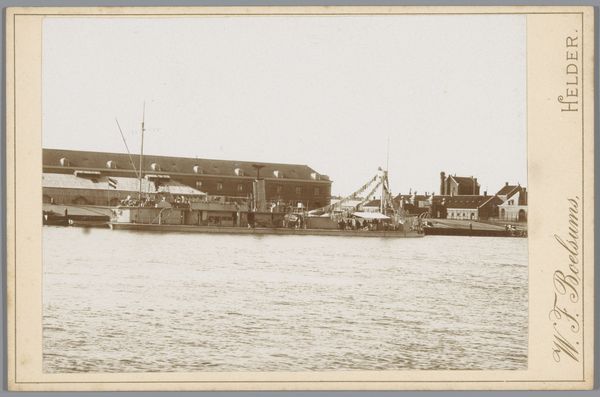
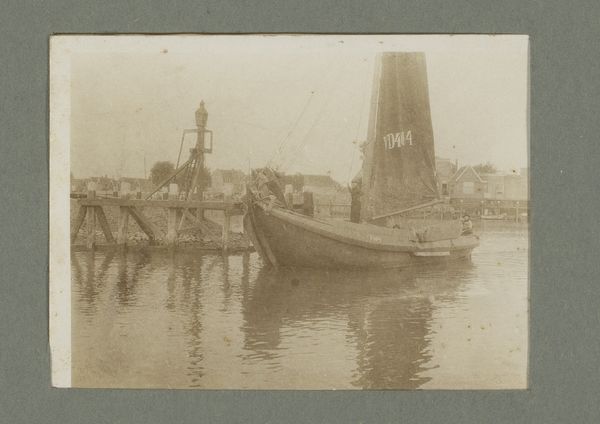
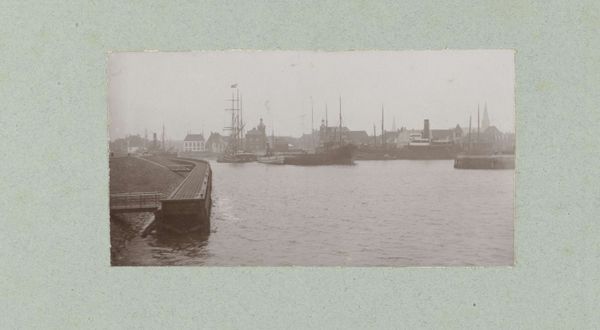
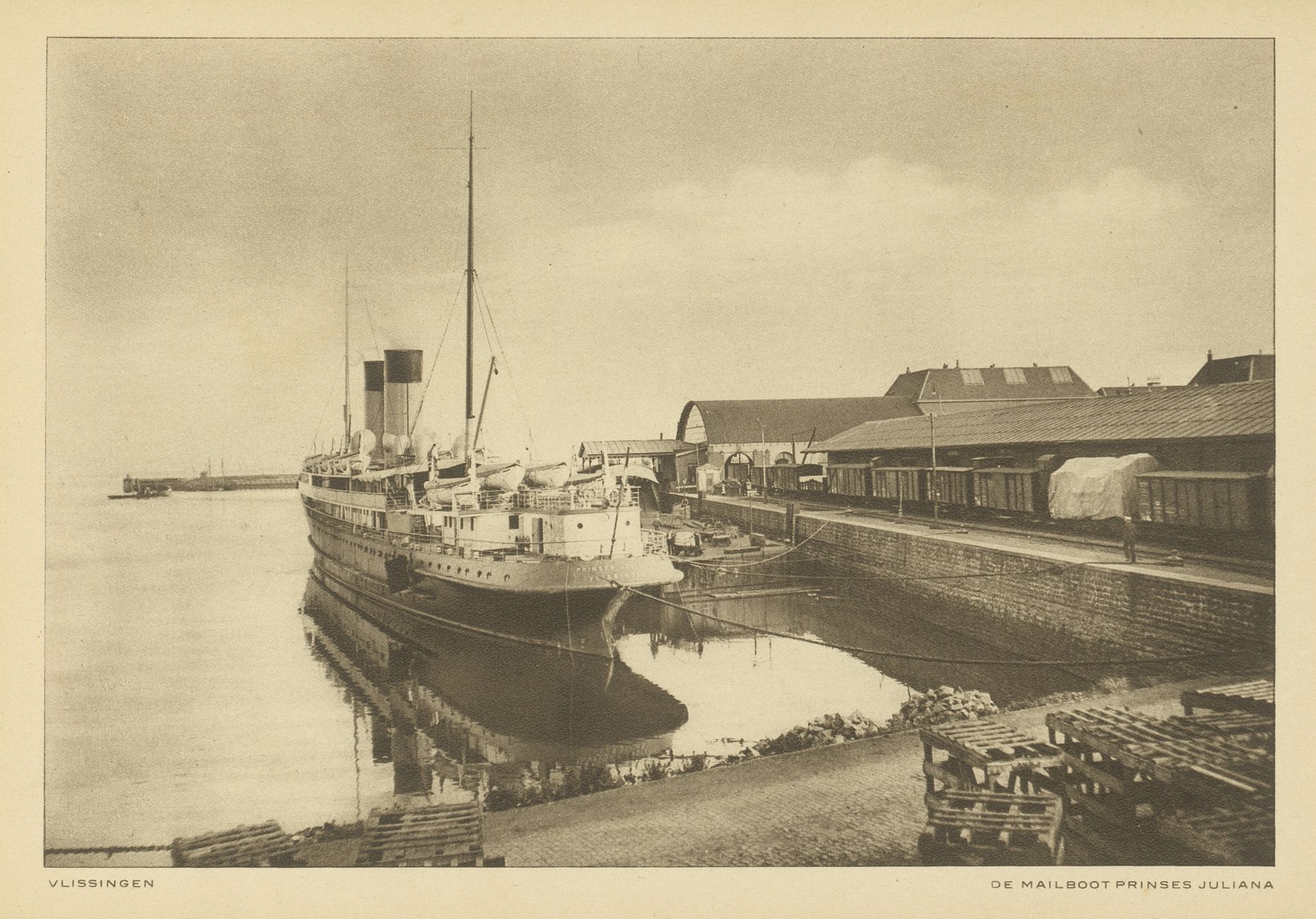
This anonymous print depicts the ship Princess Juliana in the port of Vlissingen. We don’t know the date it was made, but the subject matter gives us a good idea of its cultural context. The Princess Juliana was a Dutch mail ship, and images like this one were often produced to celebrate the nation’s commercial power and technological advancements. Here, the ship is positioned as a modern marvel, capable of connecting the Netherlands to its global colonies and trade partners. Notice the industrial architecture of the port in the background, and the train cars waiting to be loaded with cargo. This was a time of rapid industrialization and expansion, and this print reflects a sense of national pride in the Netherlands' place on the world stage. To understand this image better, we might look into archives of the Dutch shipping industry, or study maps and trade routes of the time. That way, we can begin to see how art always reflects the social and institutional conditions of its creation.
Gezicht op het schip de Prinses Juliana in de haven van Vlissingen
before 1915

Artwork details
- Medium
- photography, gelatin-silver-print
- Dimensions
- height 162 mm, width 240 mm
- Copyright
- Rijks Museum: Open Domain
Tags
Comments
Share your thoughts
About this artwork
This anonymous print depicts the ship Princess Juliana in the port of Vlissingen. We don’t know the date it was made, but the subject matter gives us a good idea of its cultural context. The Princess Juliana was a Dutch mail ship, and images like this one were often produced to celebrate the nation’s commercial power and technological advancements. Here, the ship is positioned as a modern marvel, capable of connecting the Netherlands to its global colonies and trade partners. Notice the industrial architecture of the port in the background, and the train cars waiting to be loaded with cargo. This was a time of rapid industrialization and expansion, and this print reflects a sense of national pride in the Netherlands' place on the world stage. To understand this image better, we might look into archives of the Dutch shipping industry, or study maps and trade routes of the time. That way, we can begin to see how art always reflects the social and institutional conditions of its creation.
Comments
Share your thoughts