About this artwork
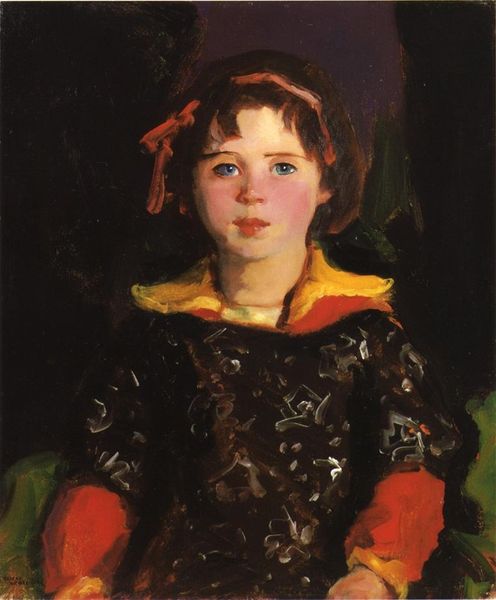
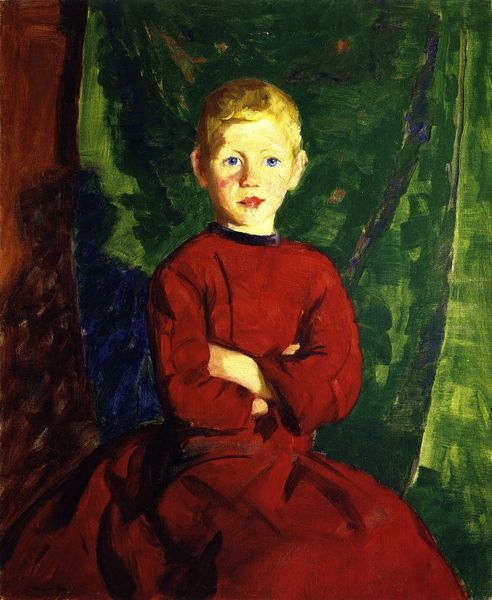
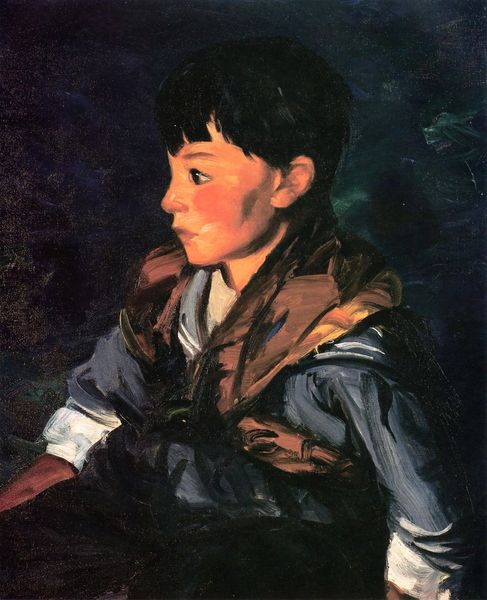
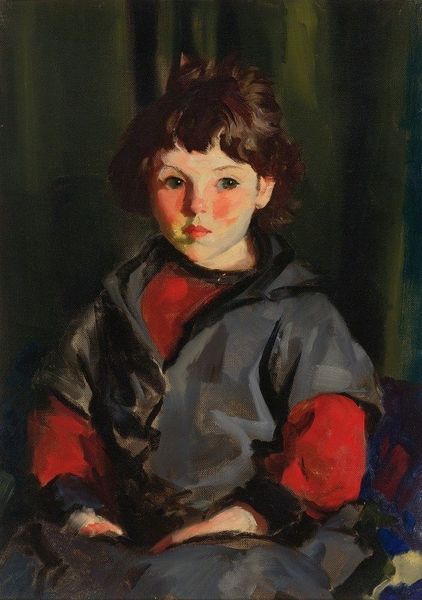
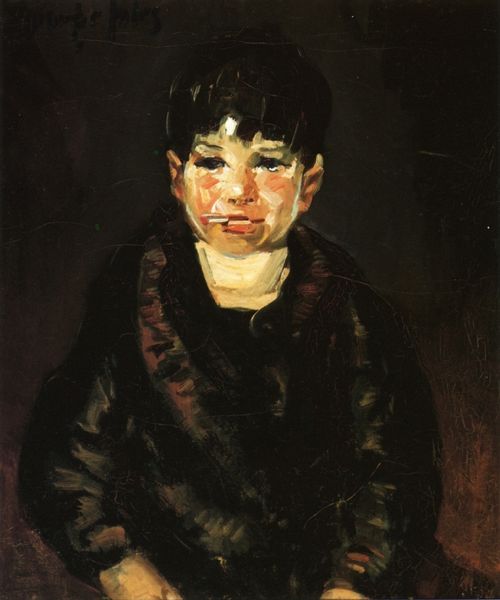
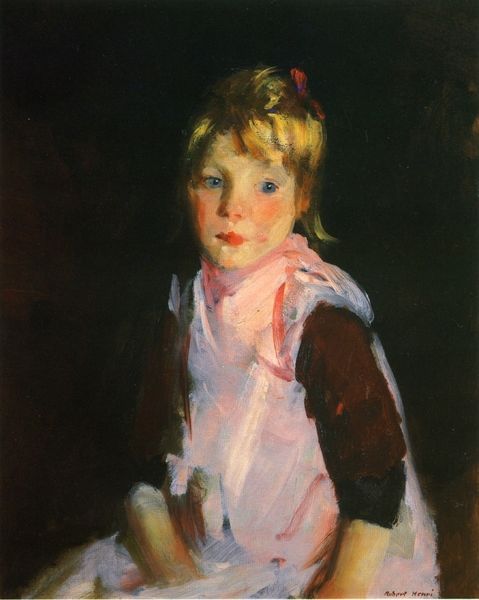
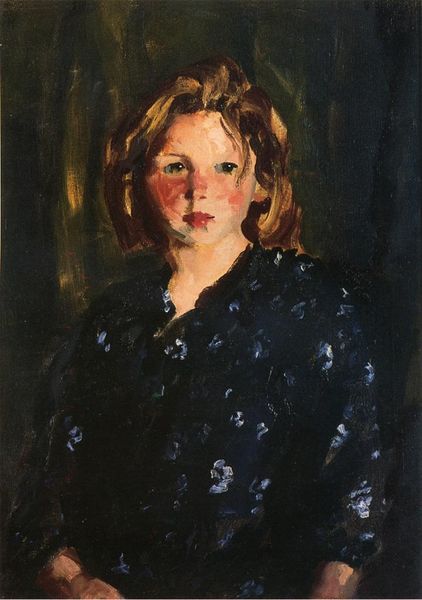
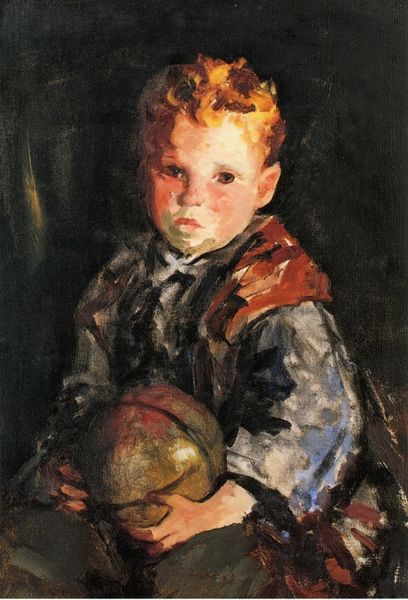
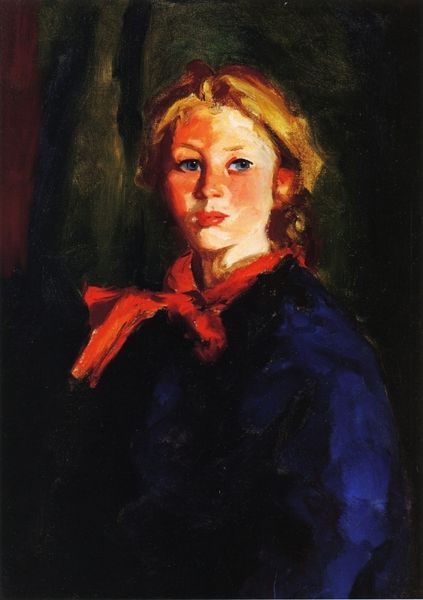
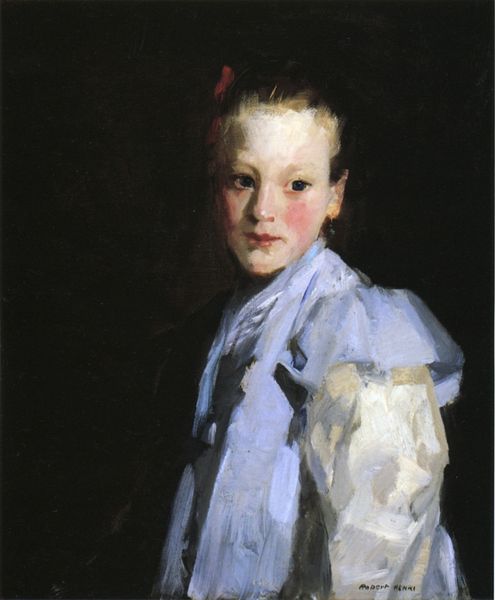
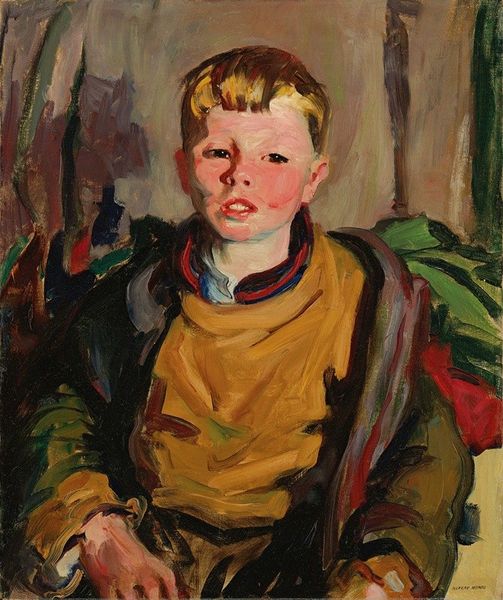
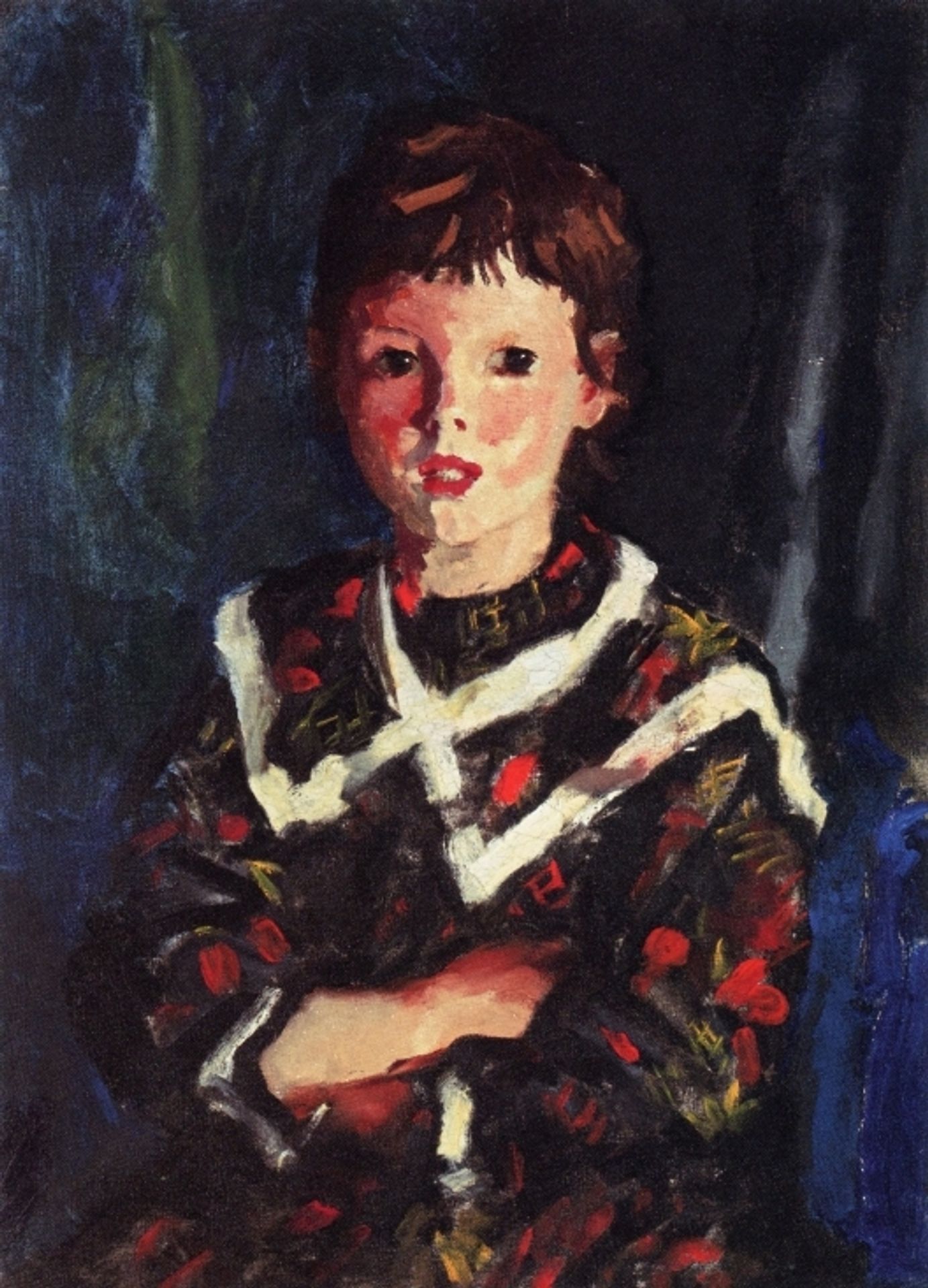
Robert Henri painted Dark Bridget Lavelle using oil on canvas. It’s a traditional material, of course, yet the vigor of Henri's brushwork almost turns it into a modern, even industrial, substance. The material qualities of oil paint – its viscosity and capacity for layering – play a crucial role in the work’s impact. The thick, expressive strokes, applied with evident energy, convey the artist's immediate experience of the subject. Henri was part of the Ashcan School, a movement of painters who turned to everyday life in the city for their subject matter. They weren't just interested in how the upper crust lived; they also depicted working-class people and recent immigrants. Henri's vigorous application of paint and commitment to capturing real life, gives a dignity to the sitter. It suggests a democratic spirit. By valuing the materiality and process behind the work, we gain a deeper understanding of its social context, which ultimately challenges the traditional hierarchy between fine art and the everyday.
Dark Bridget Lavelle 1928

Robert Henri
1865 - 1929Location
Albrecht-Kemper Museum of Art, Saint Joseph, MO, USArtwork details
- Medium
- painting, oil-paint, impasto
- Location
- Albrecht-Kemper Museum of Art, Saint Joseph, MO, US
- Copyright
- Public domain
Tags
portrait
painting
oil-paint
oil painting
impasto
ashcan-school
portrait drawing
portrait art
modernism
realism
Comments
No comments
About this artwork
Robert Henri painted Dark Bridget Lavelle using oil on canvas. It’s a traditional material, of course, yet the vigor of Henri's brushwork almost turns it into a modern, even industrial, substance. The material qualities of oil paint – its viscosity and capacity for layering – play a crucial role in the work’s impact. The thick, expressive strokes, applied with evident energy, convey the artist's immediate experience of the subject. Henri was part of the Ashcan School, a movement of painters who turned to everyday life in the city for their subject matter. They weren't just interested in how the upper crust lived; they also depicted working-class people and recent immigrants. Henri's vigorous application of paint and commitment to capturing real life, gives a dignity to the sitter. It suggests a democratic spirit. By valuing the materiality and process behind the work, we gain a deeper understanding of its social context, which ultimately challenges the traditional hierarchy between fine art and the everyday.
Comments
No comments