About this artwork
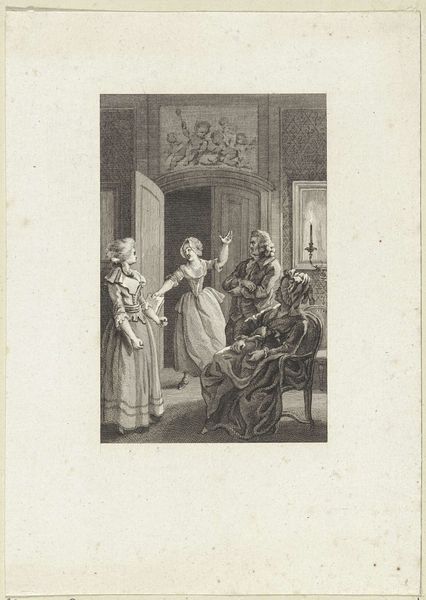
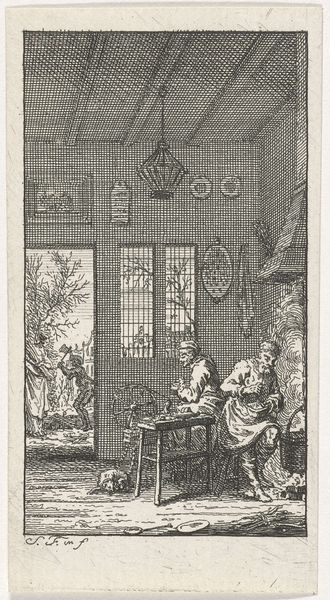
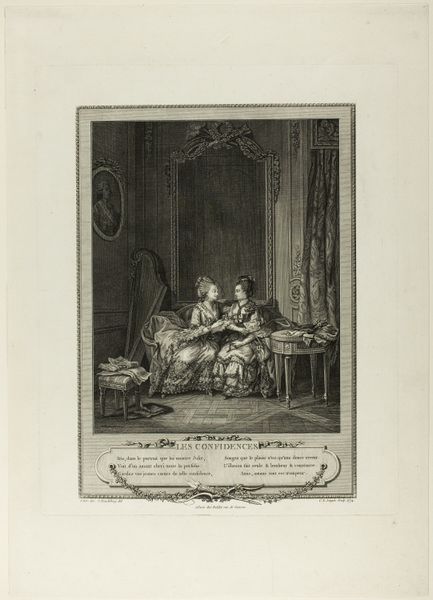
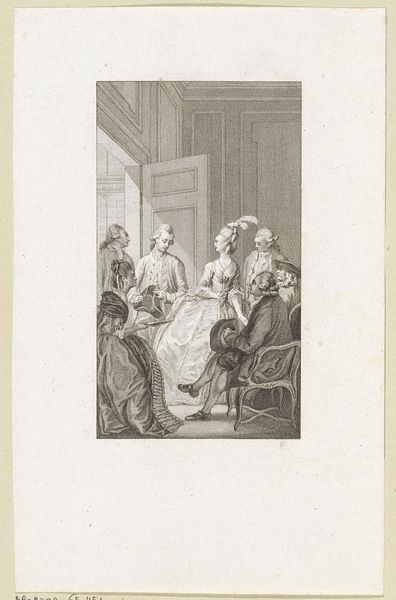
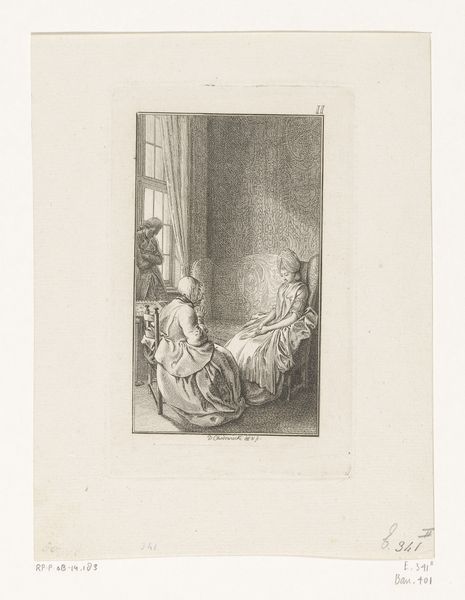
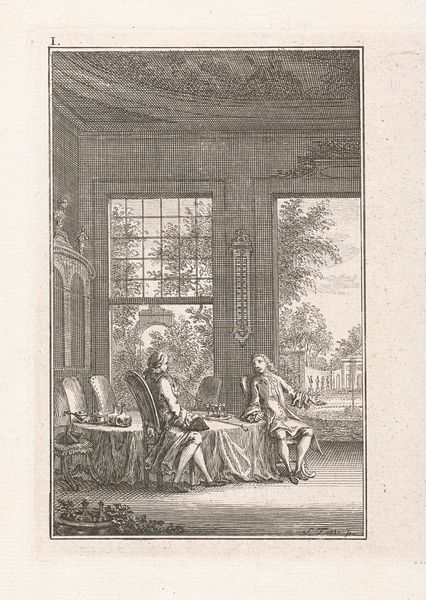
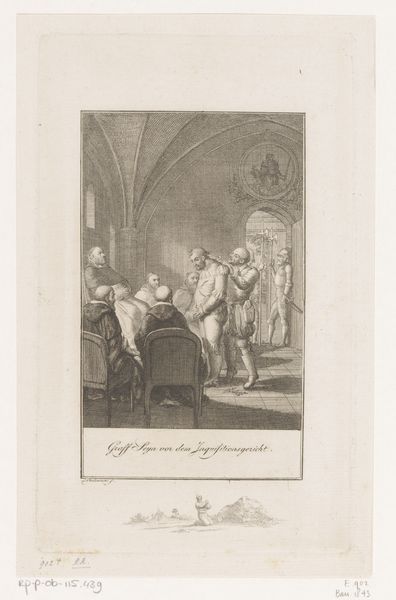
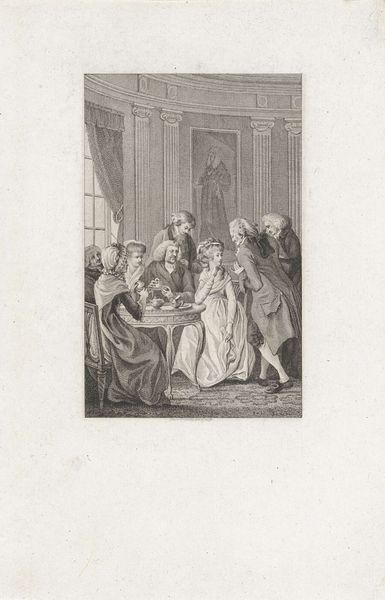
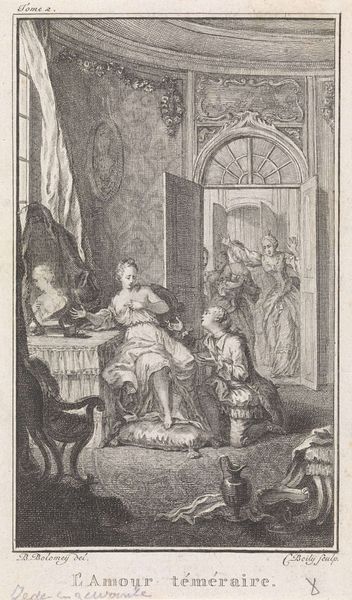
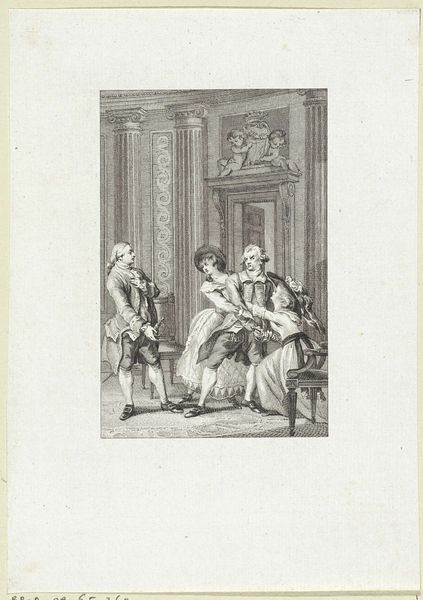
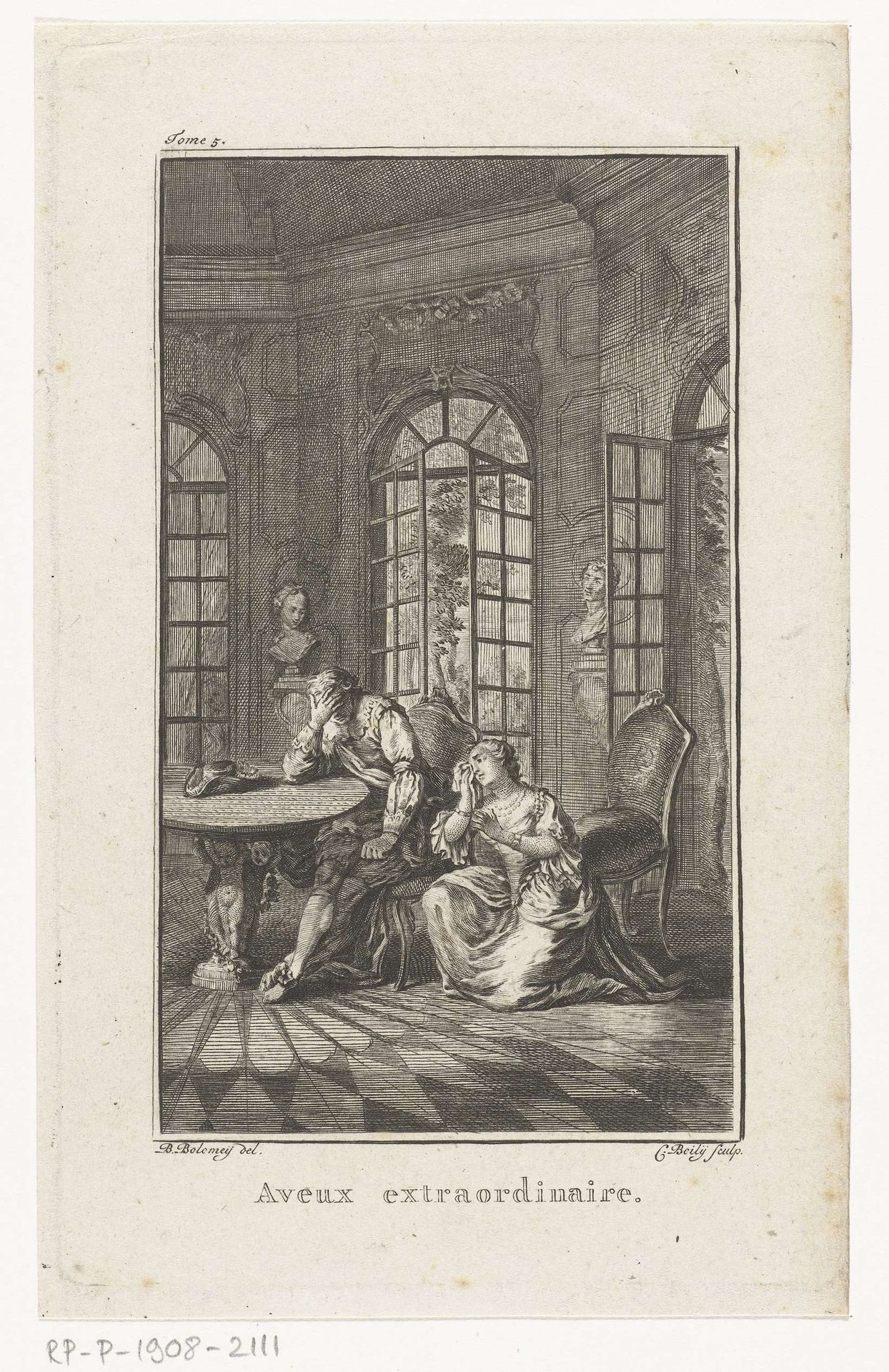
Charles Boily’s etching captures a scene of profound emotional revelation. Note the dramatic gestures: the man with his head buried in his hands, a universal sign of despair, and the woman, kneeling, her hand to her mouth in shock. These gestures carry a lineage. The pose of grief, where the face is obscured, can be traced back to ancient depictions of mourning. Consider how the “modest Venus” reappears throughout art history, re-emerging here as a symbol of devastation, a motif of shame and unbearable truth. Observe how such symbols shift yet endure. The way a hand covers the face is not merely a physical action, but a window into the soul, revealing layers of collective memory. The image is an embodiment of the cyclical nature of human drama—an extraordinary confession echoing through time.

Artwork details
- Dimensions
- height 180 mm, width 112 mm
- Copyright
- Rijks Museum: Open Domain
Comments
Share your thoughts
About this artwork
Charles Boily’s etching captures a scene of profound emotional revelation. Note the dramatic gestures: the man with his head buried in his hands, a universal sign of despair, and the woman, kneeling, her hand to her mouth in shock. These gestures carry a lineage. The pose of grief, where the face is obscured, can be traced back to ancient depictions of mourning. Consider how the “modest Venus” reappears throughout art history, re-emerging here as a symbol of devastation, a motif of shame and unbearable truth. Observe how such symbols shift yet endure. The way a hand covers the face is not merely a physical action, but a window into the soul, revealing layers of collective memory. The image is an embodiment of the cyclical nature of human drama—an extraordinary confession echoing through time.
Comments
Share your thoughts