1842
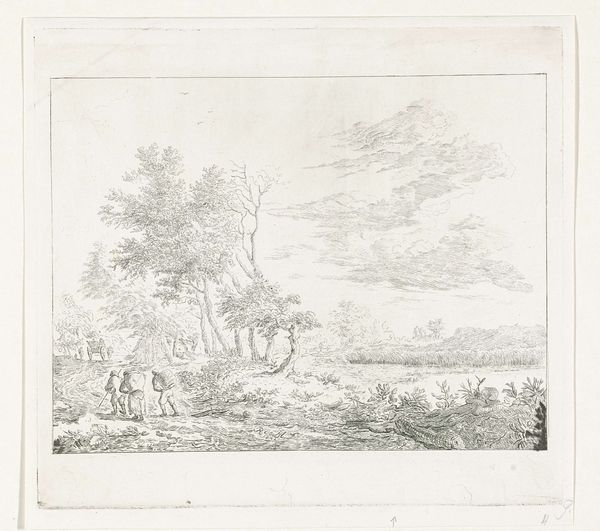
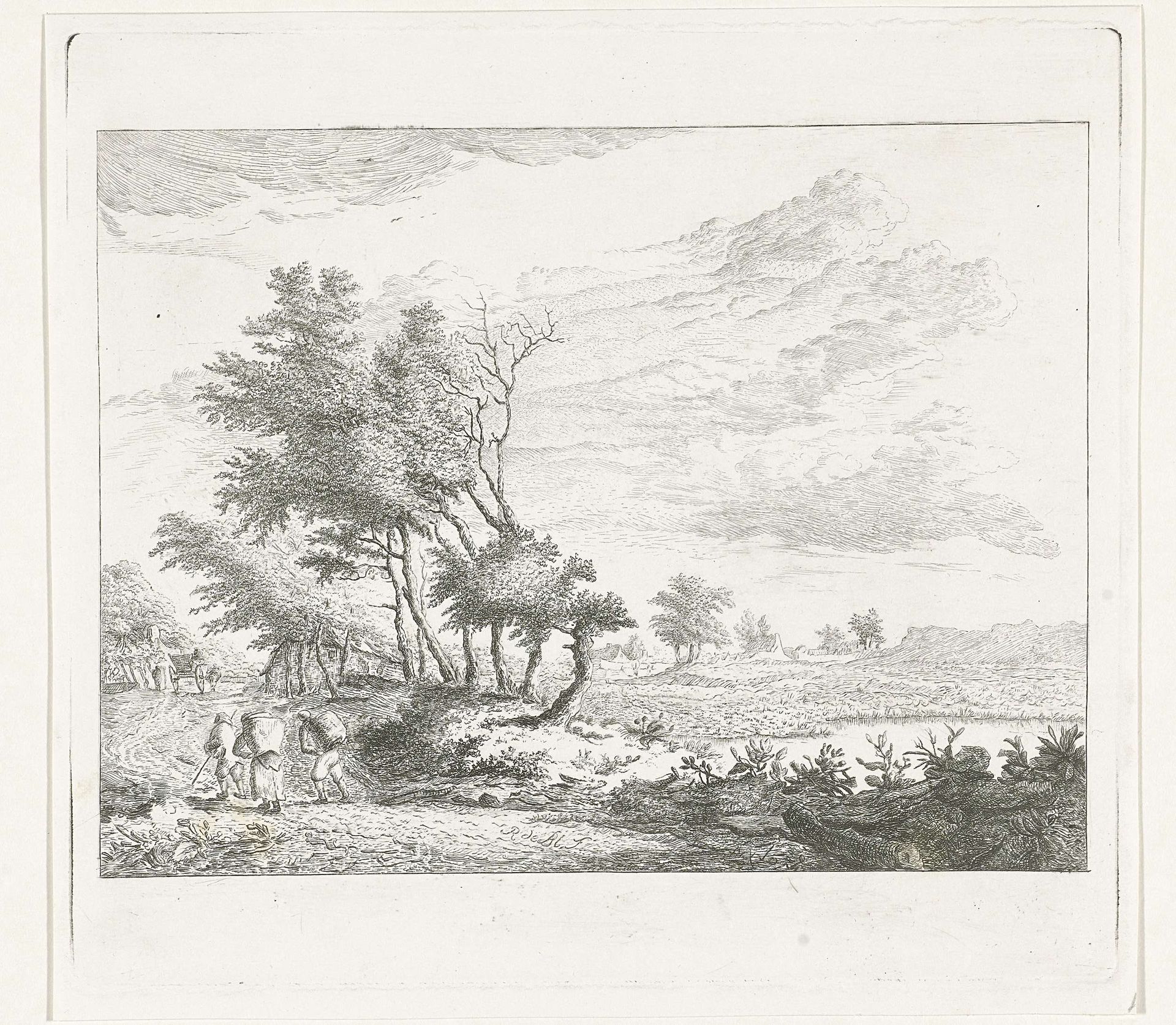
Reizigers in een landschap

Listen to curator's interpretation
Curatorial notes
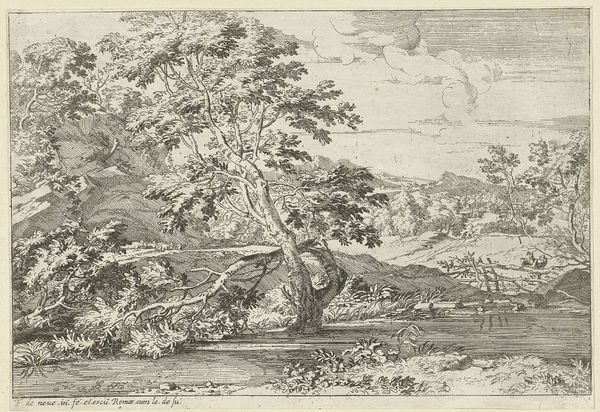
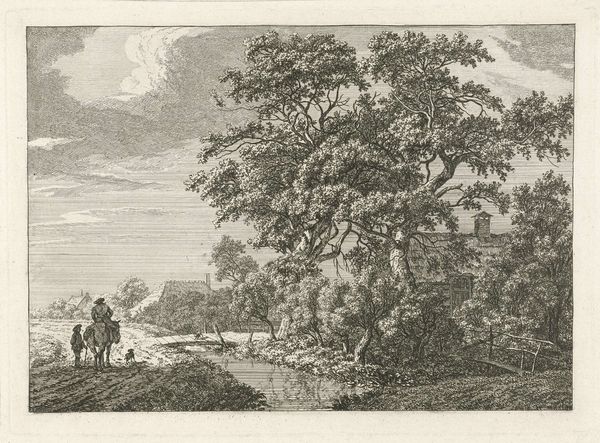
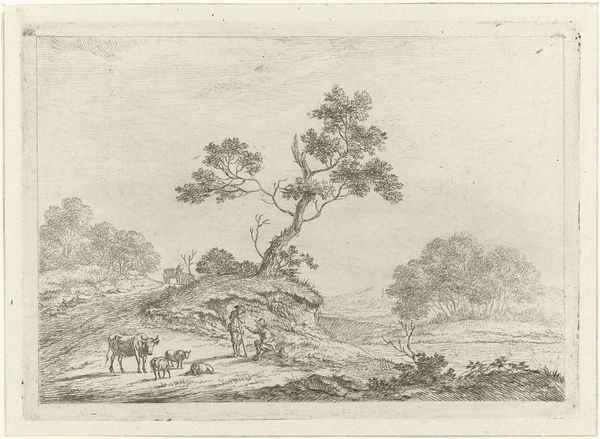
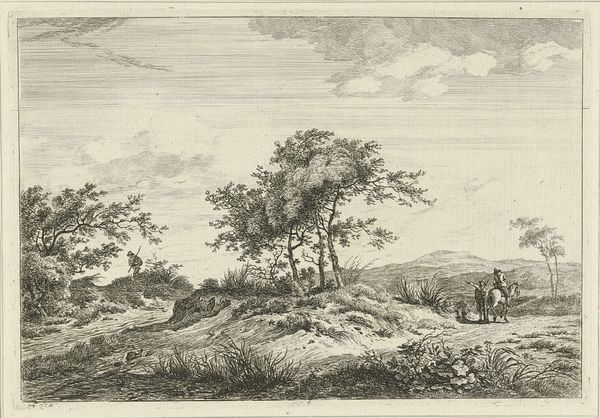
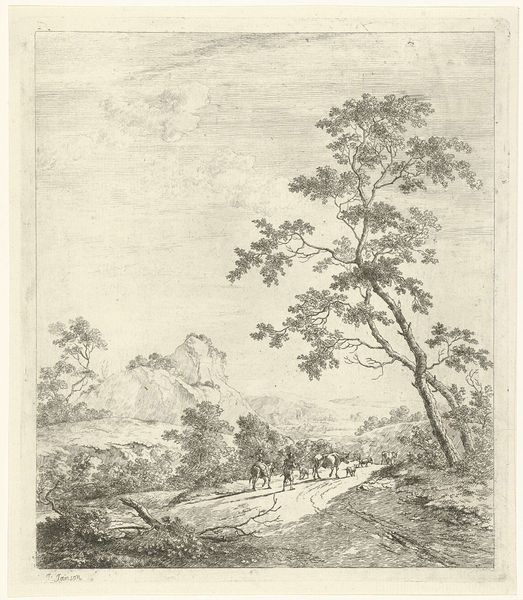
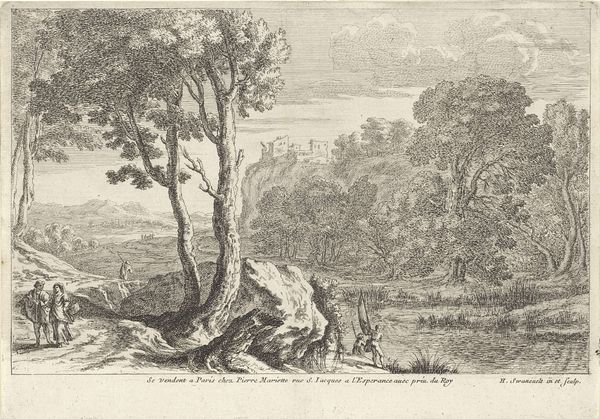
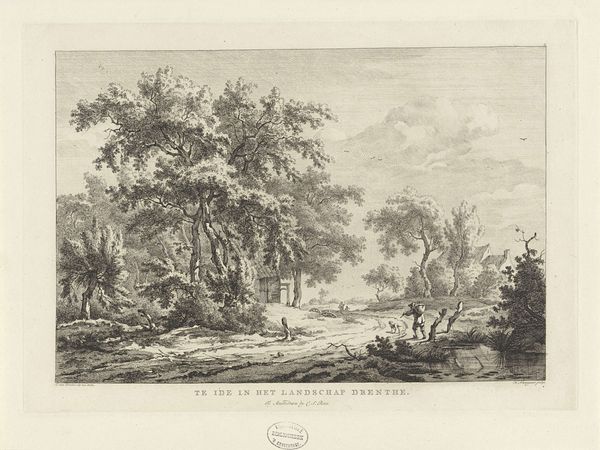
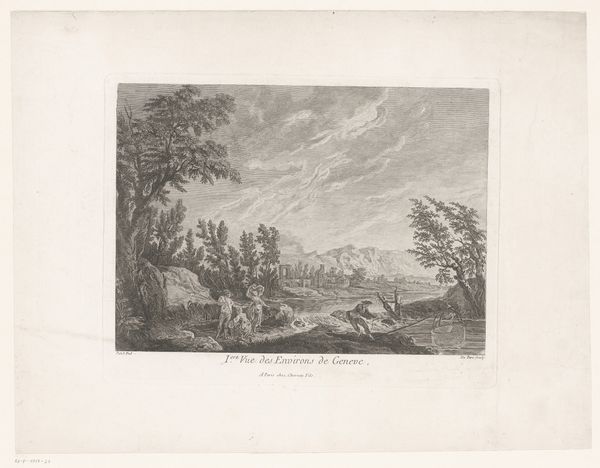
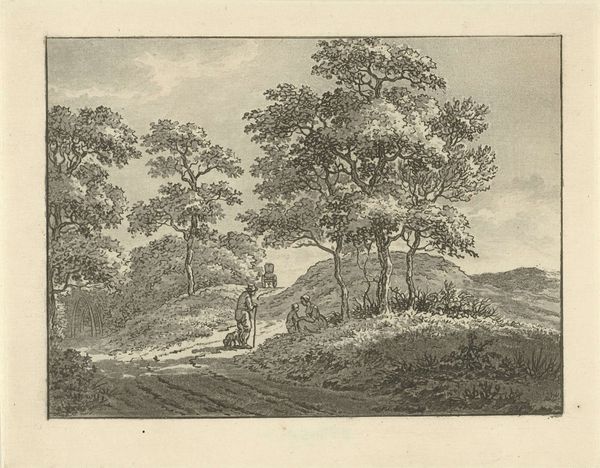
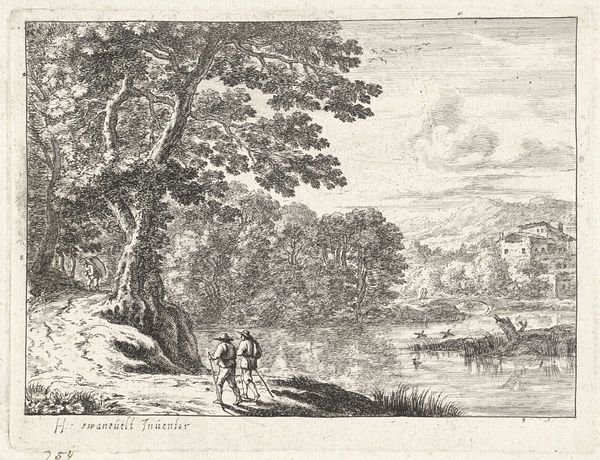
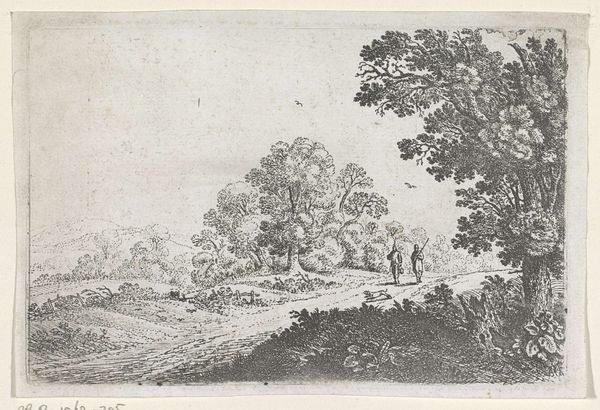
Editor: This is "Reizigers in een landschap" or "Travelers in a landscape" by Reinierus Albertus Ludovicus baron van Isendoorn à Blois, made in 1842. It’s an etching, giving it this very delicate, almost ephemeral quality. I am immediately struck by the emphasis on depicting everyday travelers as a subject. What is your perspective on this etching? Curator: It is striking, isn't it? For me, this piece highlights the commodification of the landscape during the Romantic era. Consider the means of production – etching, a technique accessible to a wider range of artists, suggesting a shift in art making away from exclusive workshops. The landscape itself becomes a consumable image, mass-produced and disseminated. Who are these travellers and what is their relationship to the landscape as workers versus consumers of its beauty? Editor: So, you're saying that the *method* by which it was made suggests something about its accessibility? Curator: Precisely! Etching allows for reproducibility, therefore democratizing the image of landscape. Notice also the level of detail: not idealized, but showing textures of foliage, rocks, and the workers’ attire. The labour involved is almost palpable – this challenges conventional landscape painting, typically created for wealthy patrons to reify notions of the pastoral idyll. Instead, what is suggested here is that there are social complexities involved. Editor: I hadn't considered that, the social complexities inherent in just representing landscape. I'm now curious to consider that: Who made the image? What does it show? And for whom was it made? Curator: Indeed! Understanding these simple but powerful social questions, helps you reveal not just *what* it depicts but *why*. That simple image provides you so much insight into not just what you see, but the method by which it was manufactured.