1832
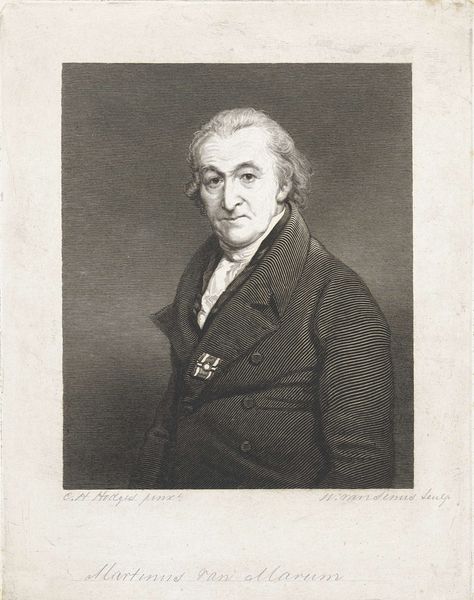
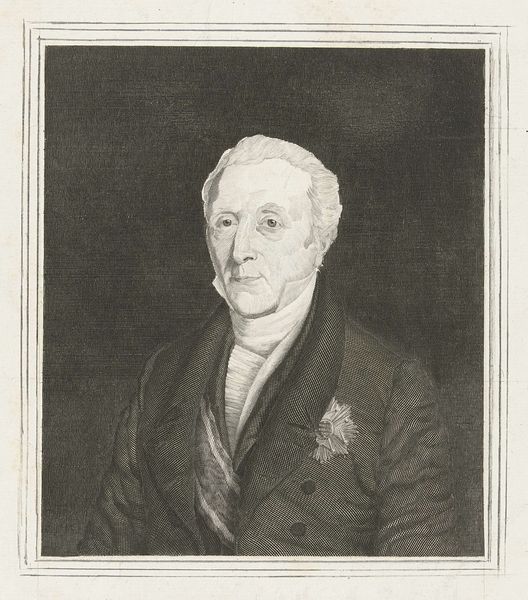
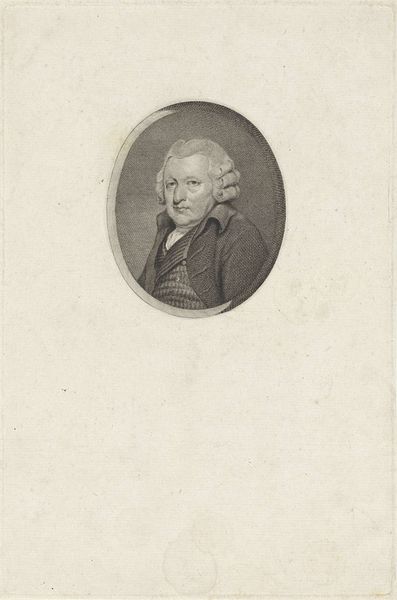
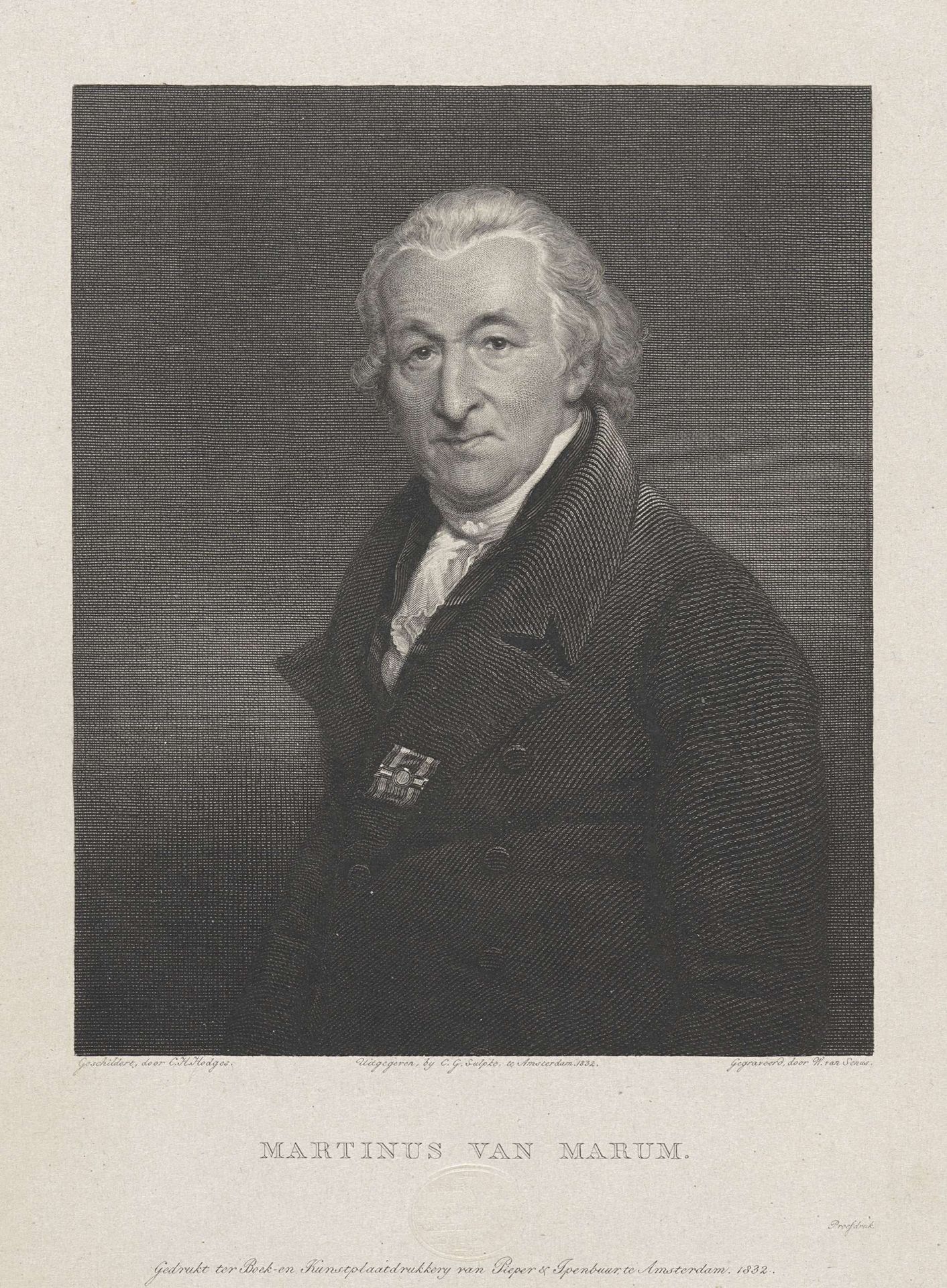
Portret van Martinus van Marum

Willem van Senus
1773 - 1851Location
RijksmuseumListen to curator's interpretation
Curatorial notes
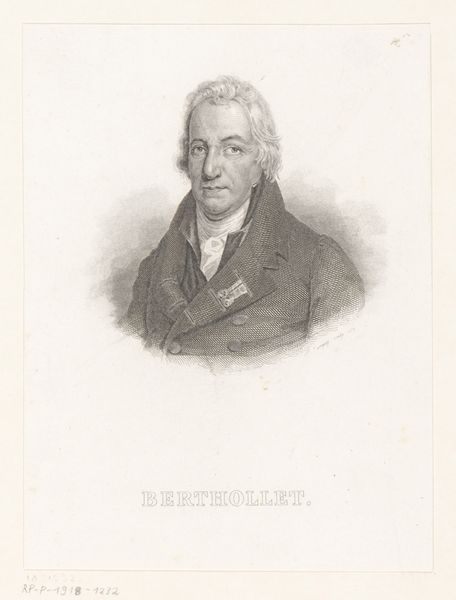
Willem van Senus made this portrait of Martinus van Marum using a technique called copper engraving. It’s a printmaking process, where the design is incised into a copper plate, inked, and then printed onto paper. Look closely, and you will see how the linear quality and the subtle gradations of tone are achieved. The artist used a tool called a burin to carefully cut lines into the metal. This was incredibly labor-intensive. Notice the subject’s coat. It’s a marvel of controlled mark-making, creating the illusion of depth and texture. It shows mastery of craft, elevated to an artistic statement. The social context of the work is also important. Printmaking in the 18th and 19th centuries was closely tied to the rise of capitalism and a growing market for images. Prints like these helped to circulate ideas and build reputations. Copper engraving, while laborious, allowed for the mass production of images. It democratized access to art, even as it required specialized skills and significant time investment.