About this artwork
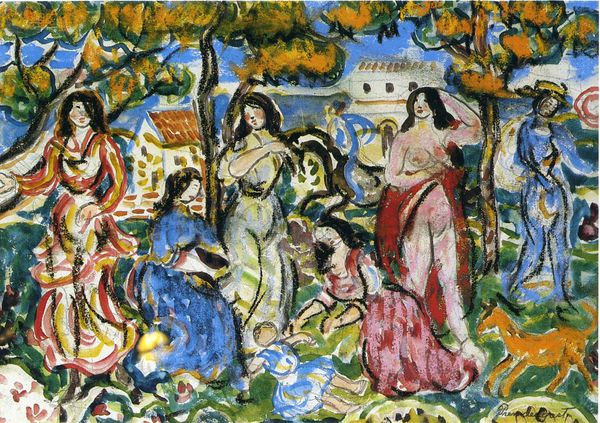
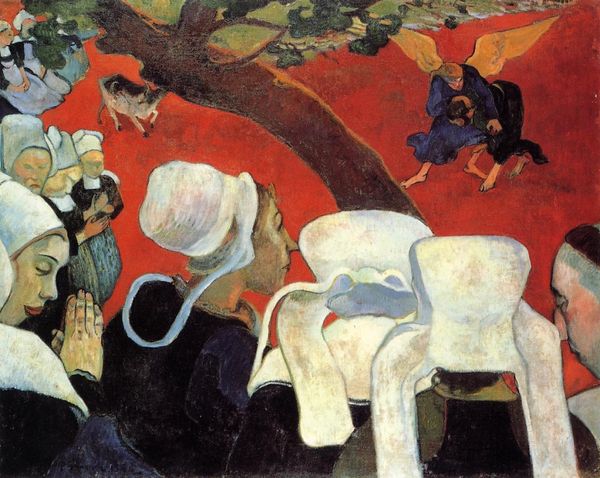
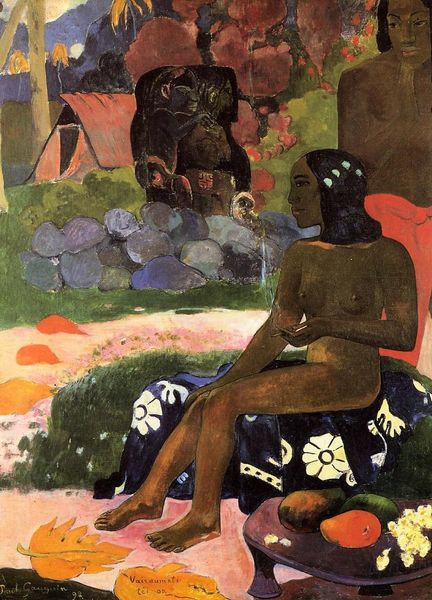
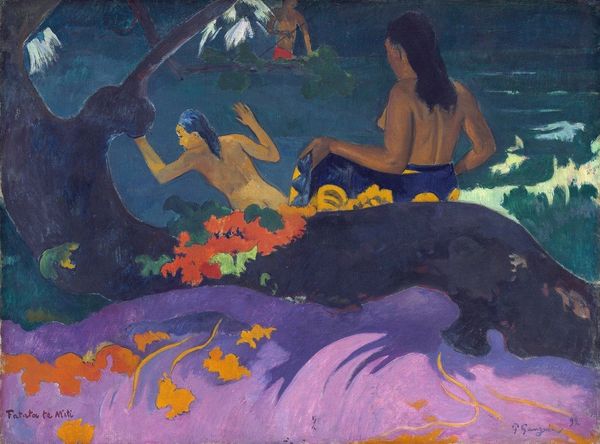
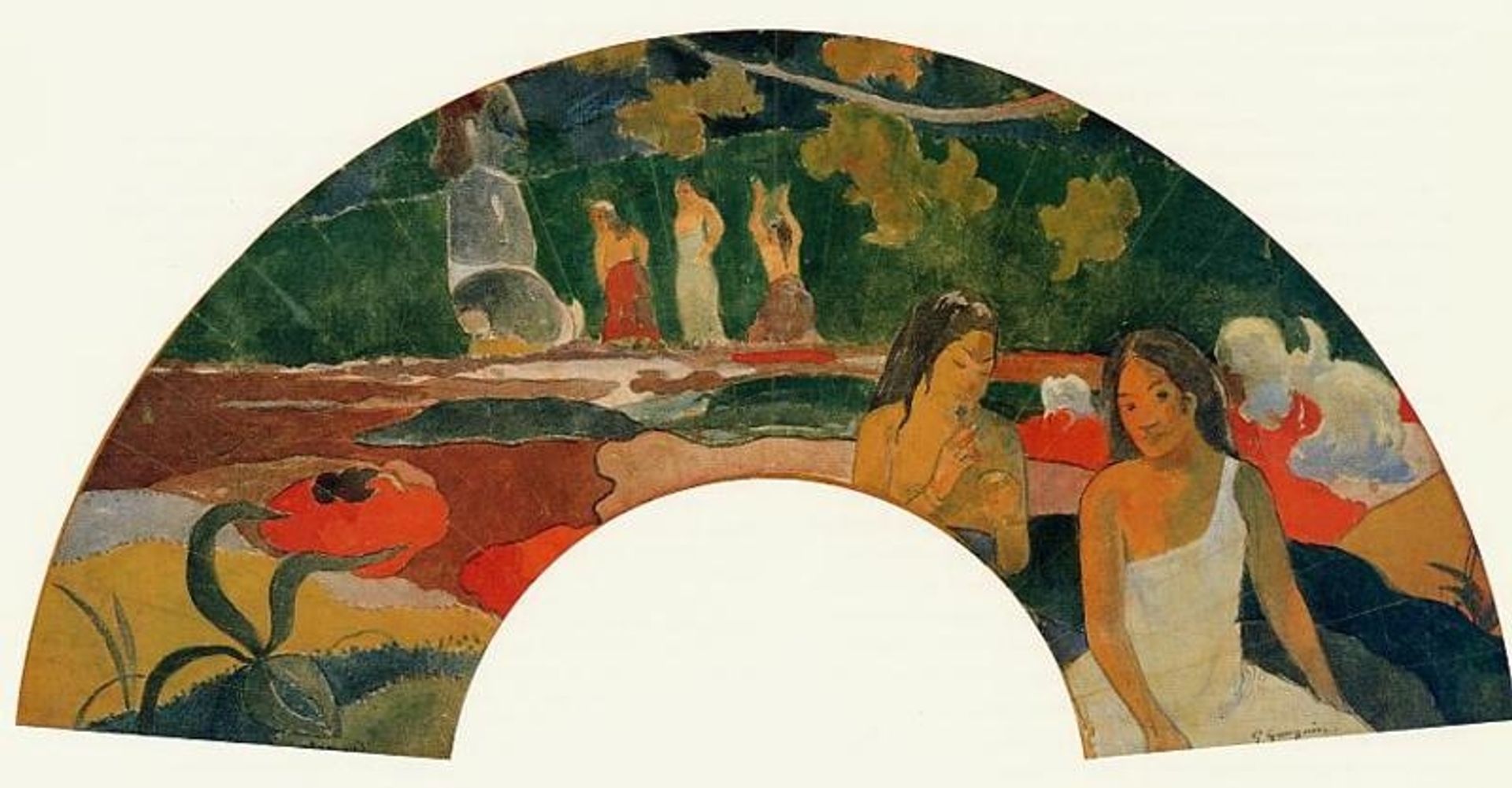
This fan painting, titled "Joyousness," was made by Paul Gauguin in the late 19th century. It depicts Tahitian women in a lush landscape, reflecting Gauguin's search for an unspoiled paradise, far from the corrupting influences of European industrial society. However, Gauguin's vision of Tahiti was far from accurate. His paintings often exoticized and sexualized the local women, reinforcing colonial stereotypes. The Western gaze is evident in the way he idealized Tahitian culture, ignoring its complexities and the impact of French colonialism. Gauguin's art was celebrated by the Parisian avant-garde, seeking to challenge academic artistic conventions. Yet, its romantic primitivism was often blind to the actual social and political realities of the island. To fully understand Gauguin's work, we must delve into the social and institutional history of colonialism and the art market. We can analyze contemporary writings, colonial records, and ethnographic studies to reveal the complex interplay of power, desire, and representation in his art.

Artwork details
- Medium
- painting, oil-paint
- Copyright
- Public domain
Tags
painting
oil-paint
landscape
figuration
oil painting
naive art
symbolism
painting art
post-impressionism
nude
watercolor
Comments
No comments
About this artwork
This fan painting, titled "Joyousness," was made by Paul Gauguin in the late 19th century. It depicts Tahitian women in a lush landscape, reflecting Gauguin's search for an unspoiled paradise, far from the corrupting influences of European industrial society. However, Gauguin's vision of Tahiti was far from accurate. His paintings often exoticized and sexualized the local women, reinforcing colonial stereotypes. The Western gaze is evident in the way he idealized Tahitian culture, ignoring its complexities and the impact of French colonialism. Gauguin's art was celebrated by the Parisian avant-garde, seeking to challenge academic artistic conventions. Yet, its romantic primitivism was often blind to the actual social and political realities of the island. To fully understand Gauguin's work, we must delve into the social and institutional history of colonialism and the art market. We can analyze contemporary writings, colonial records, and ethnographic studies to reveal the complex interplay of power, desire, and representation in his art.
Comments
No comments