About this artwork
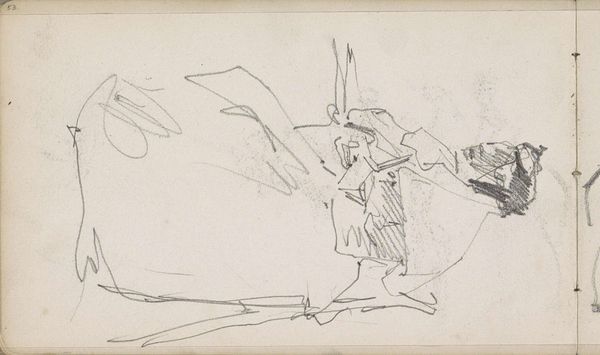
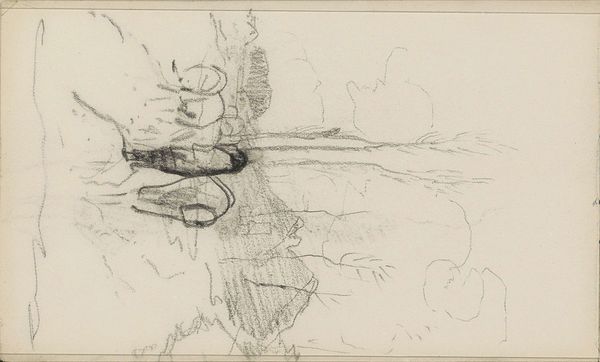
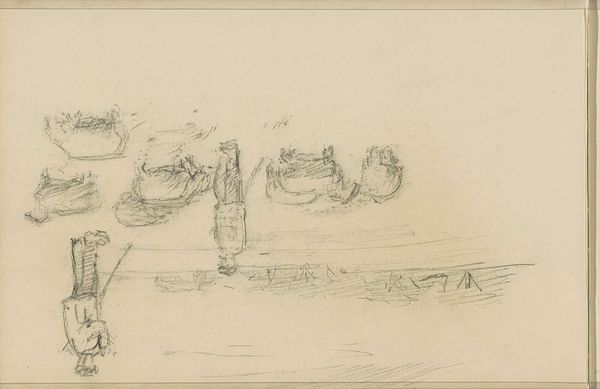
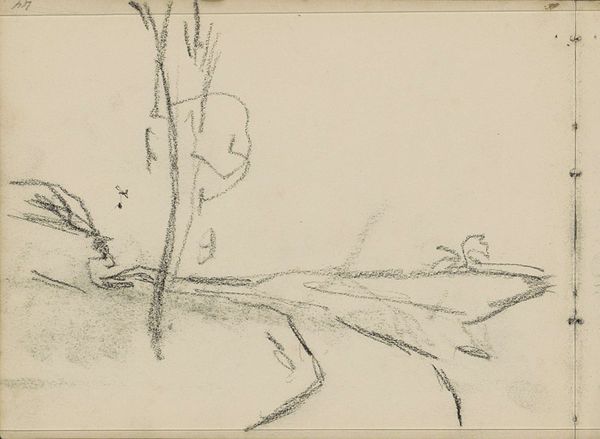
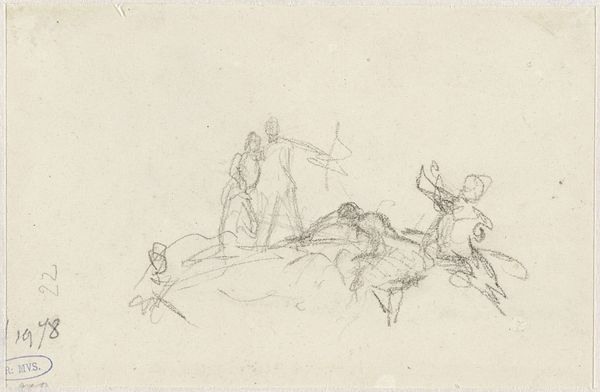
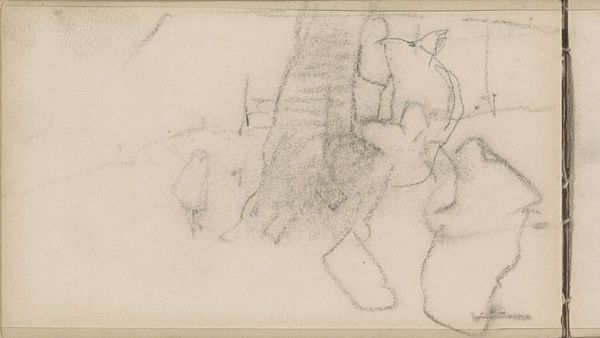
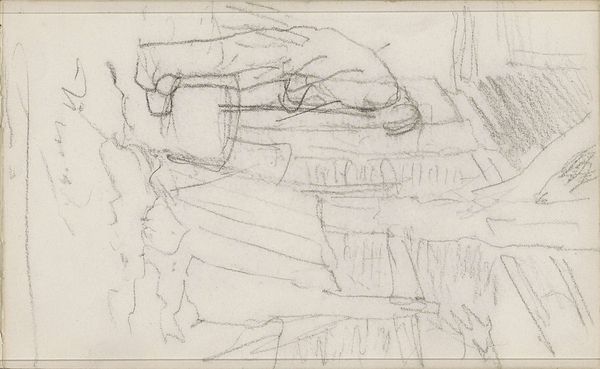
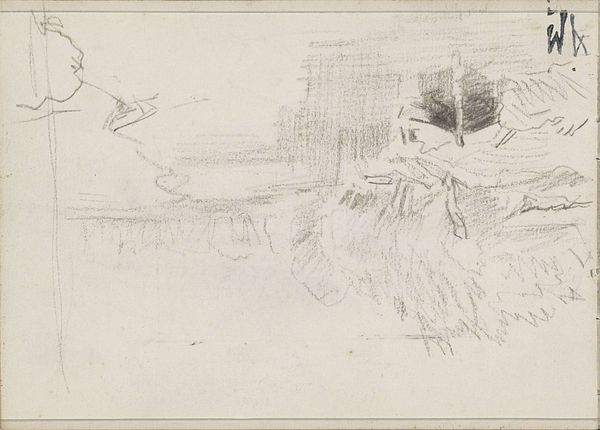
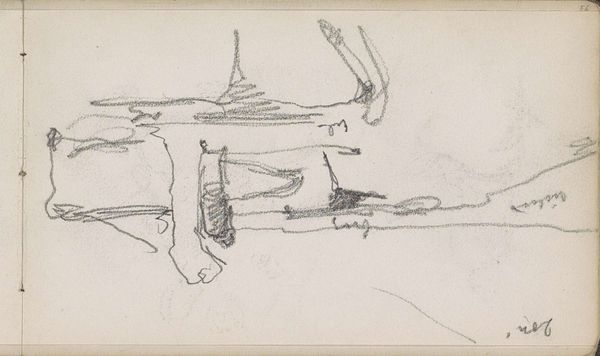
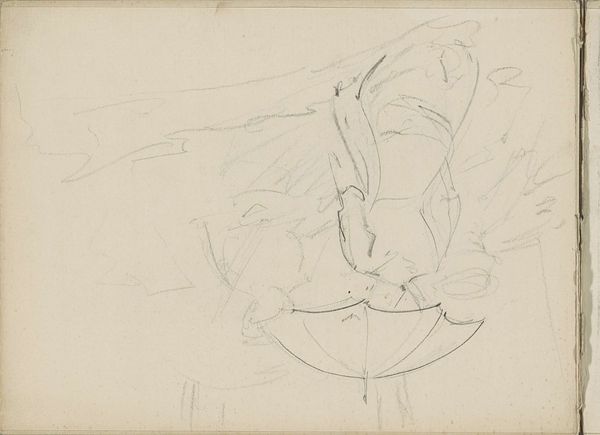
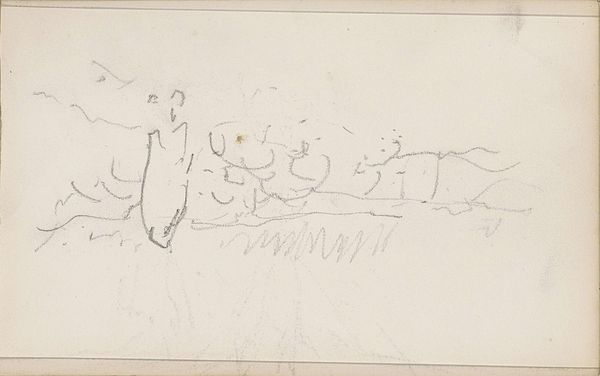
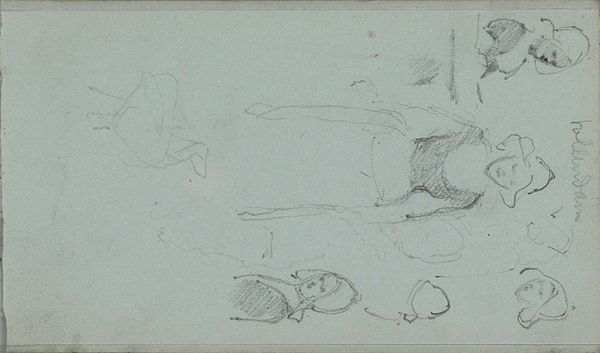
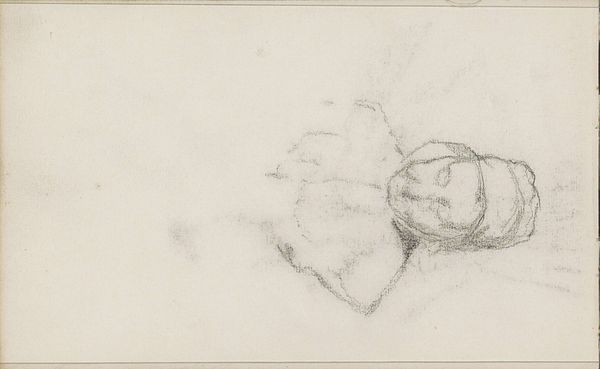
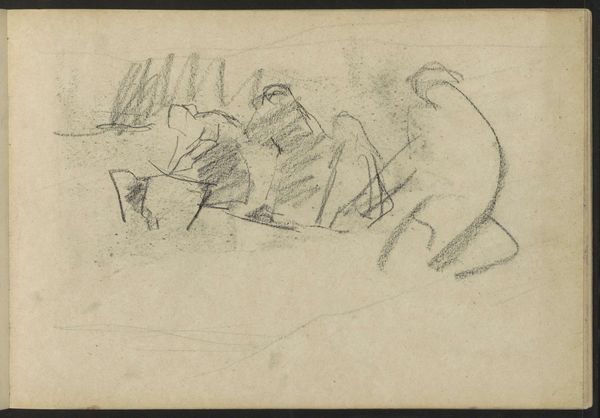
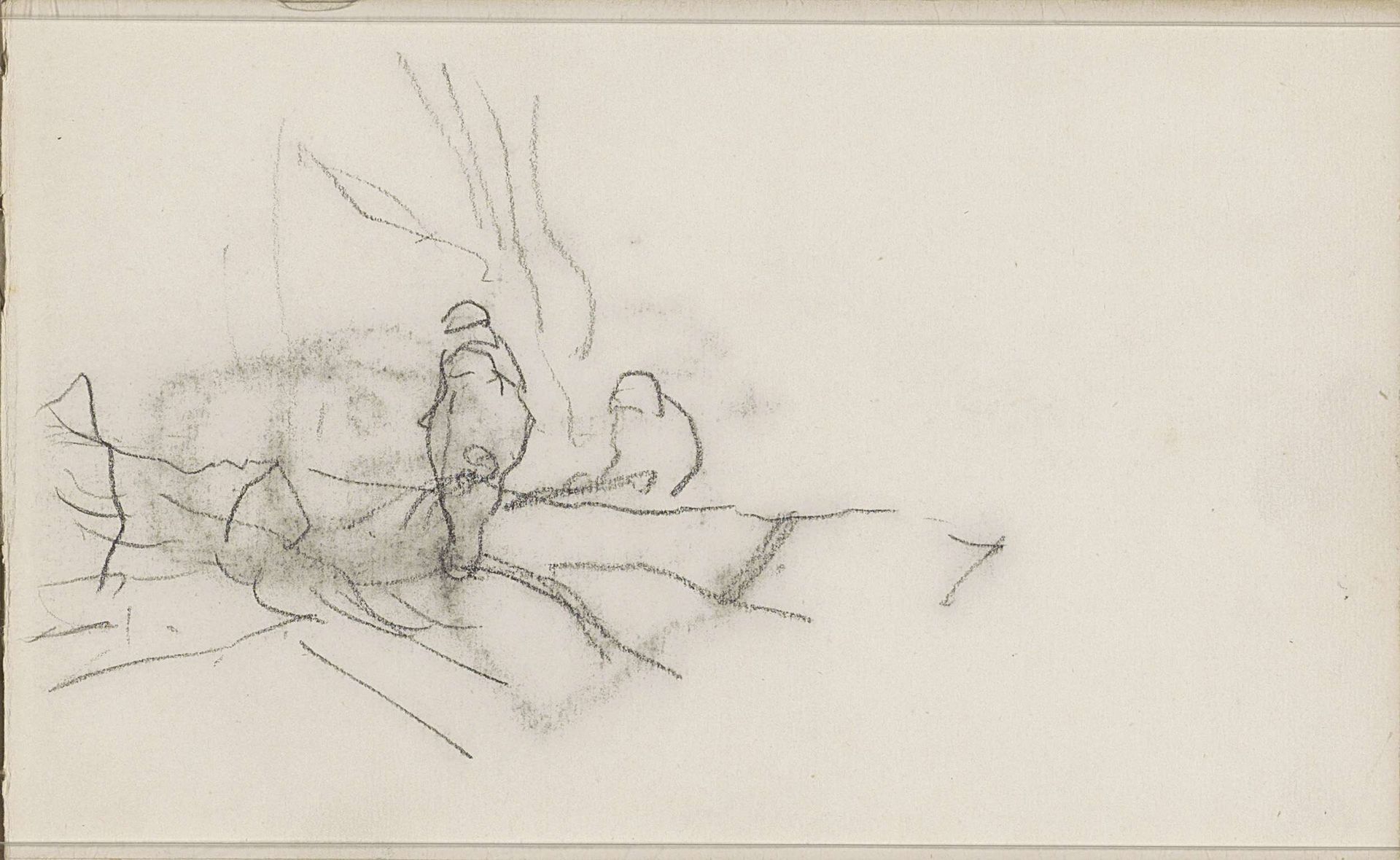
This is Anton Mauve’s sketch, "Woodcutters chopping up a fallen tree," created with graphite on paper. Mauve was a leading figure of the Hague School, a group of Dutch realist painters in the late 19th century. Mauve was deeply invested in capturing the daily lives of peasants and laborers. In this sketch, we see figures rendered with swift, economical lines, their labor depicted with an unvarnished simplicity. In the 19th century, representing labor was often fraught with social and political implications, reflecting anxieties about industrialization and class divisions. However, Mauve’s style is more empathetic than critical. The way he used the medium creates a sense of the quiet strength and dignity inherent in their work. It invites us to reflect on the relationship between labor, identity, and the natural world. There is a stillness in the composition that creates a feeling of respect for the figures and their tasks.
Houthakkers die een neergehaalde boom in stukken hakken 1848 - 1888

Anton Mauve
1838 - 1888Location
RijksmuseumArtwork details
- Medium
- drawing, pencil
- Location
- Rijksmuseum
- Copyright
- Rijks Museum: Open Domain
Tags
drawing
dutch-golden-age
pencil sketch
landscape
pencil
realism
Comments
No comments
About this artwork
This is Anton Mauve’s sketch, "Woodcutters chopping up a fallen tree," created with graphite on paper. Mauve was a leading figure of the Hague School, a group of Dutch realist painters in the late 19th century. Mauve was deeply invested in capturing the daily lives of peasants and laborers. In this sketch, we see figures rendered with swift, economical lines, their labor depicted with an unvarnished simplicity. In the 19th century, representing labor was often fraught with social and political implications, reflecting anxieties about industrialization and class divisions. However, Mauve’s style is more empathetic than critical. The way he used the medium creates a sense of the quiet strength and dignity inherent in their work. It invites us to reflect on the relationship between labor, identity, and the natural world. There is a stillness in the composition that creates a feeling of respect for the figures and their tasks.
Comments
No comments