About this artwork
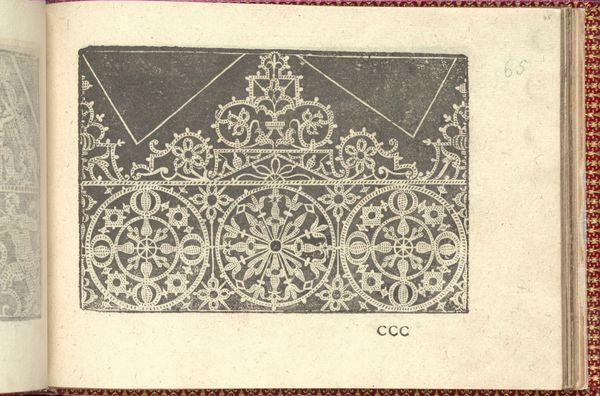
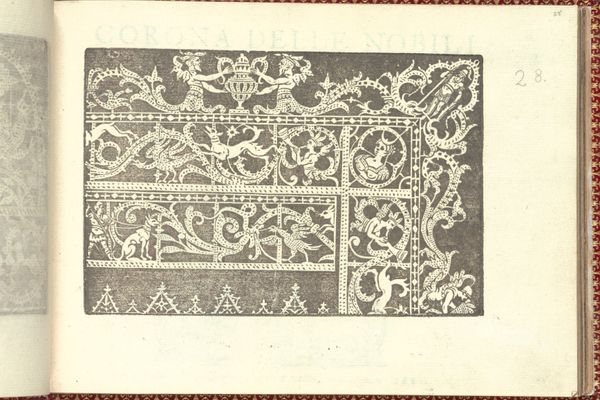
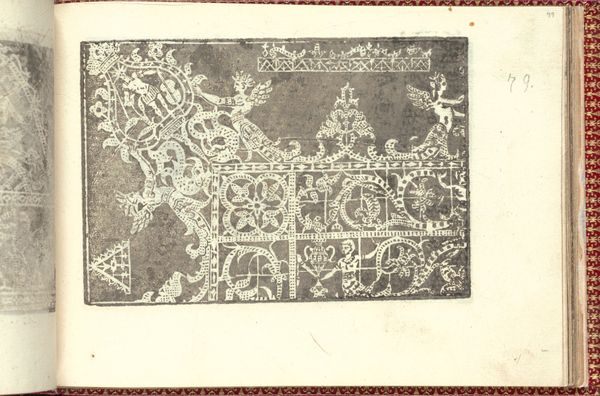
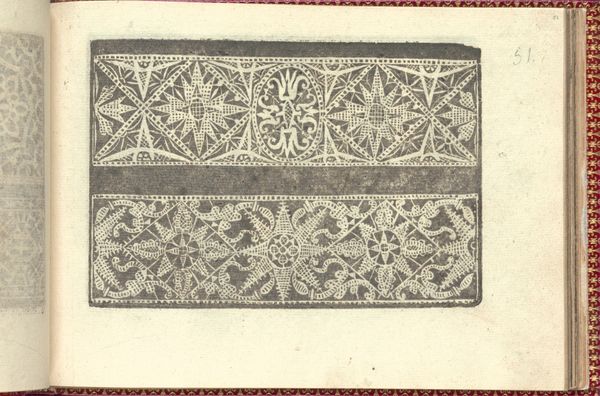
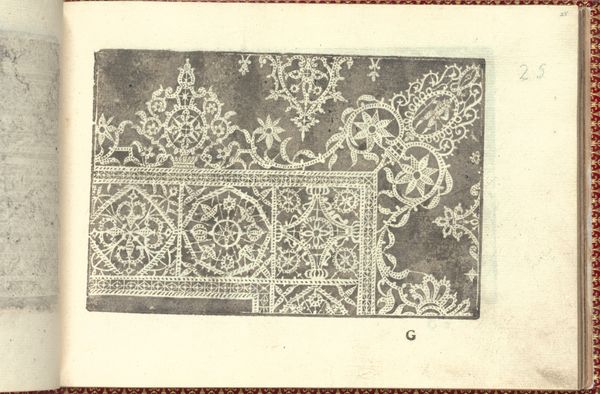
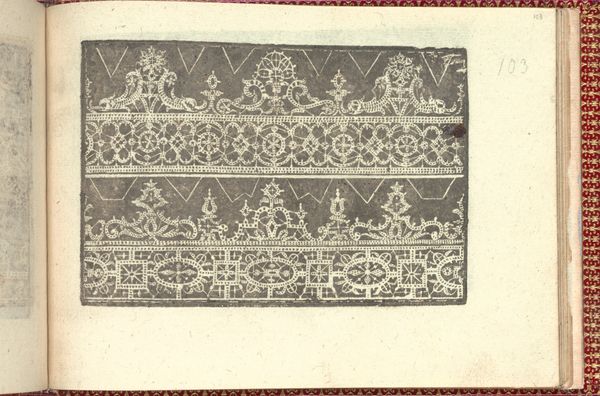
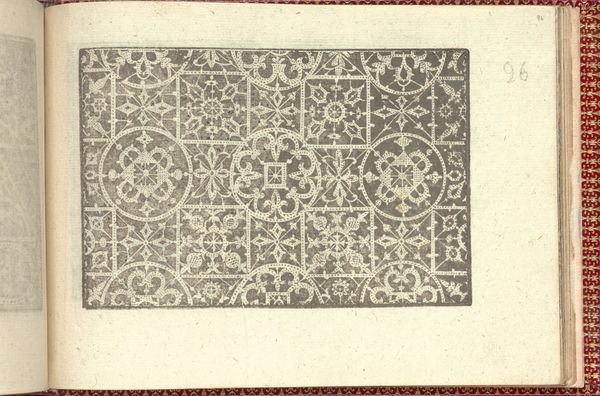
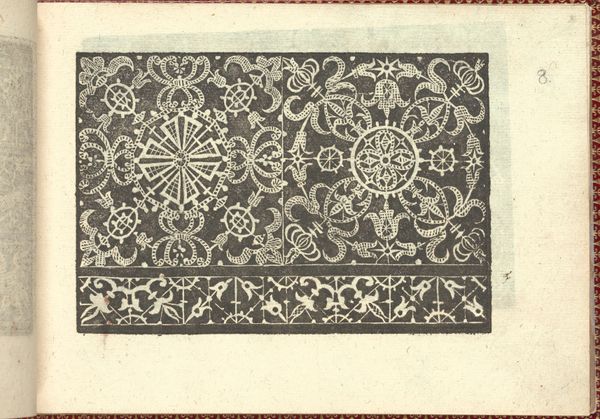
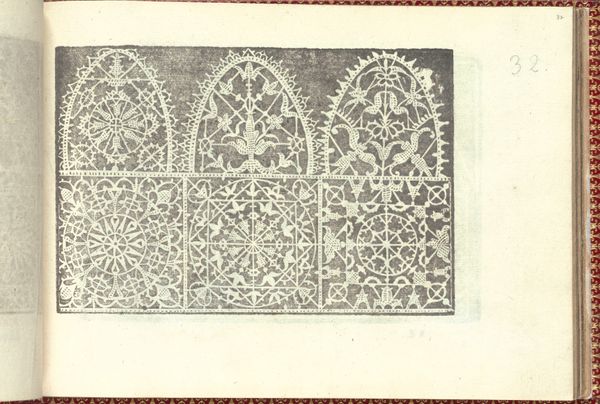
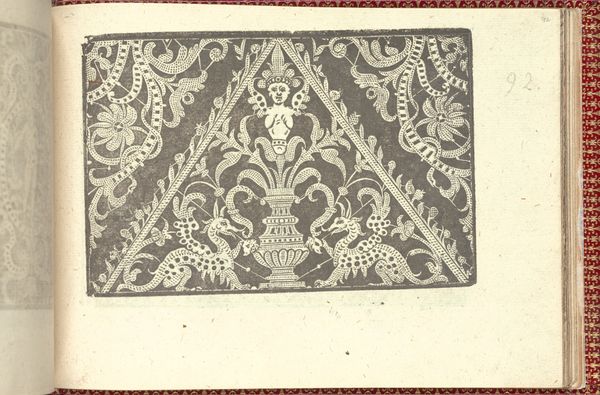
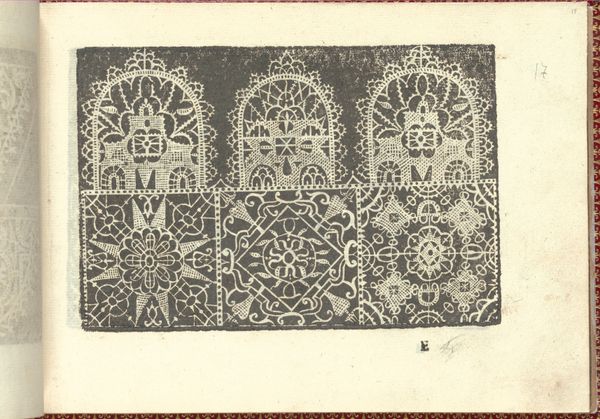
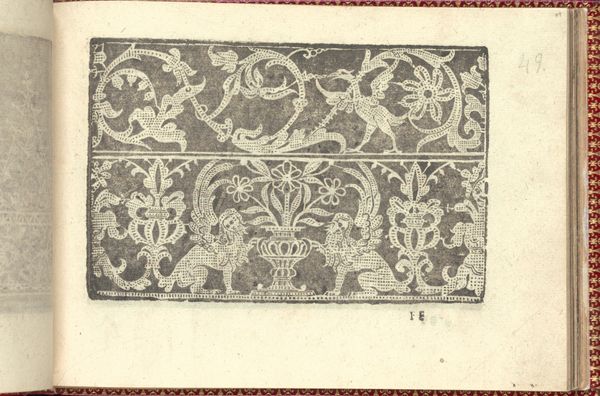
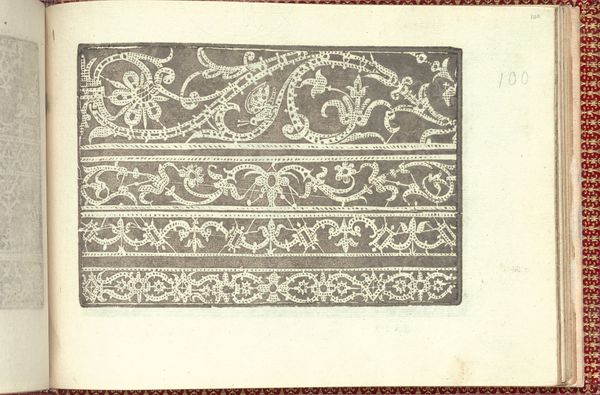
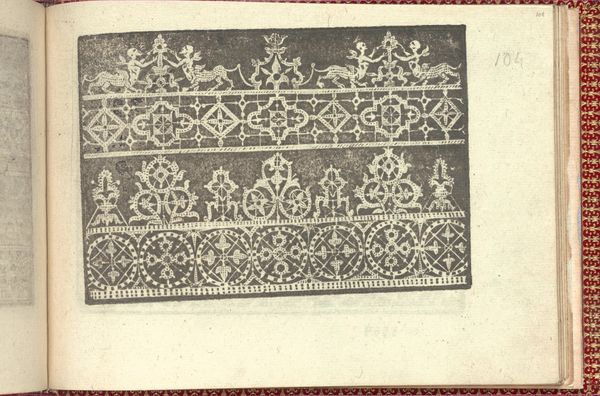
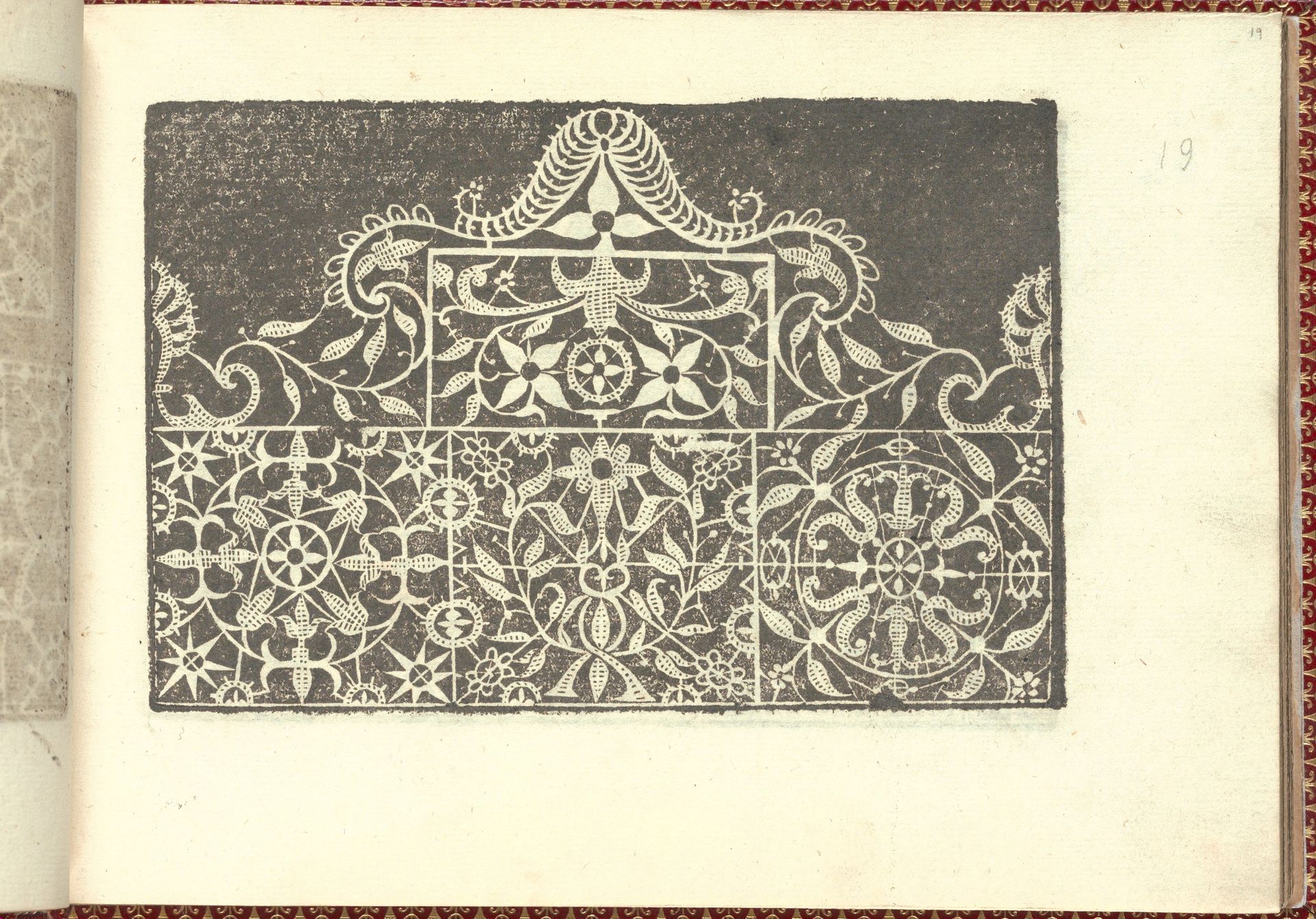
Cesare Vecellio made this woodcut around 1591 to be included in his pattern book called "Corona delle Nobili et Virtuose Donne". The image is a series of designs for lacework, a delicate and time-consuming craft often associated with women's labor in the Renaissance. The title of the book translates as "Crown for Noble and Virtuous Women," which suggests how lacework was perceived in Venetian society, and it's worth noting that Venice was a major center for lace production during this time. The designs themselves are intricate and geometric, reflecting the era’s interest in mathematical patterns and natural forms. Vecellio’s pattern book can be seen as an early example of visual media shaping cultural norms. It presents a fascinating picture of gender, labor, and artistic expression in Renaissance Venice. By studying such objects alongside historical documents, economic data, and gender studies, we can develop a more complete understanding of the social conditions that shaped artistic production in the past.
Corona delle Nobili et Virtuose Donne: Libro I-IV, page 19 (recto) 1601


Artwork details
- Medium
- drawing, graphic-art, print, engraving
- Dimensions
- Overall: 5 1/2 x 7 11/16 in. (14 x 19.5 cm)
- Location
- Metropolitan Museum of Art, New York, NY
- Copyright
- Public Domain
Tags
drawing
graphic-art
medieval
geometric
line
decorative-art
engraving
Comments
No comments
About this artwork
Cesare Vecellio made this woodcut around 1591 to be included in his pattern book called "Corona delle Nobili et Virtuose Donne". The image is a series of designs for lacework, a delicate and time-consuming craft often associated with women's labor in the Renaissance. The title of the book translates as "Crown for Noble and Virtuous Women," which suggests how lacework was perceived in Venetian society, and it's worth noting that Venice was a major center for lace production during this time. The designs themselves are intricate and geometric, reflecting the era’s interest in mathematical patterns and natural forms. Vecellio’s pattern book can be seen as an early example of visual media shaping cultural norms. It presents a fascinating picture of gender, labor, and artistic expression in Renaissance Venice. By studying such objects alongside historical documents, economic data, and gender studies, we can develop a more complete understanding of the social conditions that shaped artistic production in the past.
Comments
No comments