About this artwork
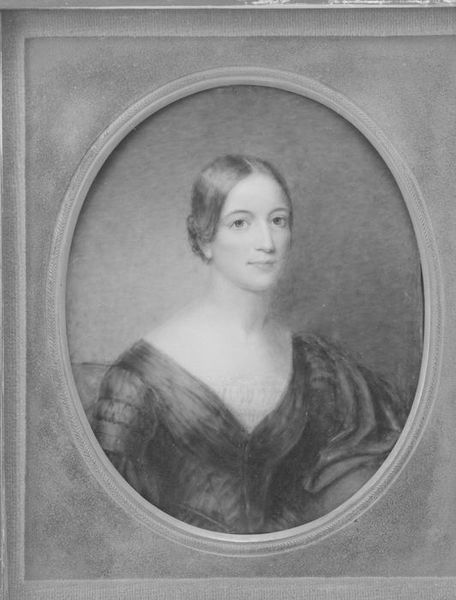
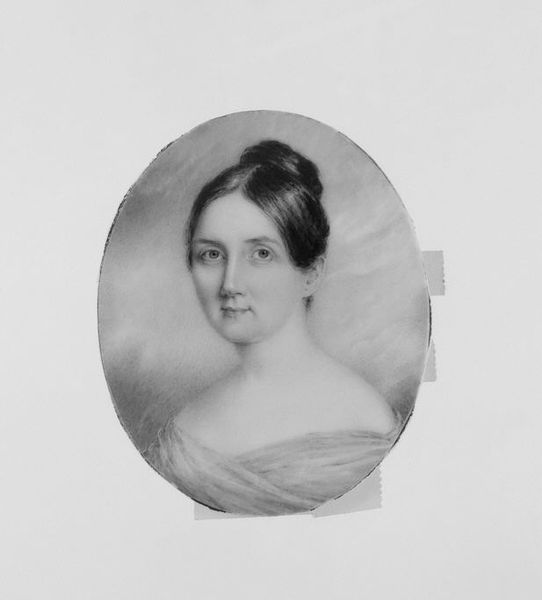
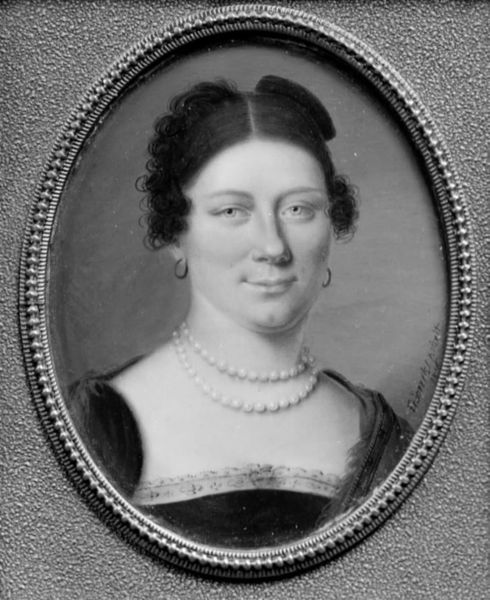
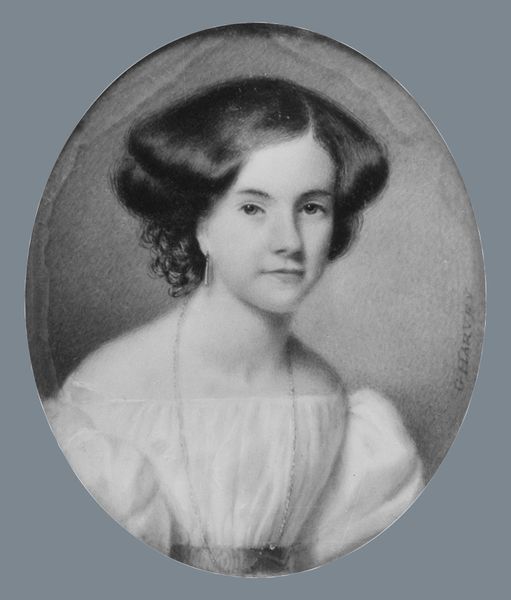
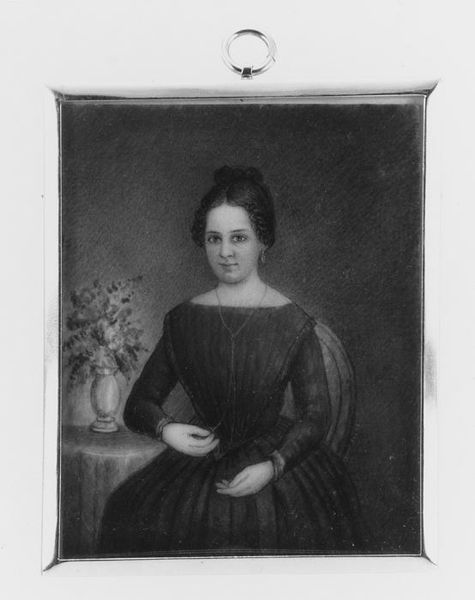
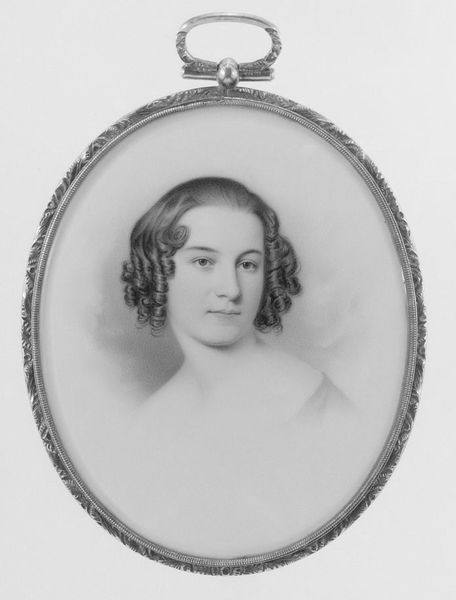
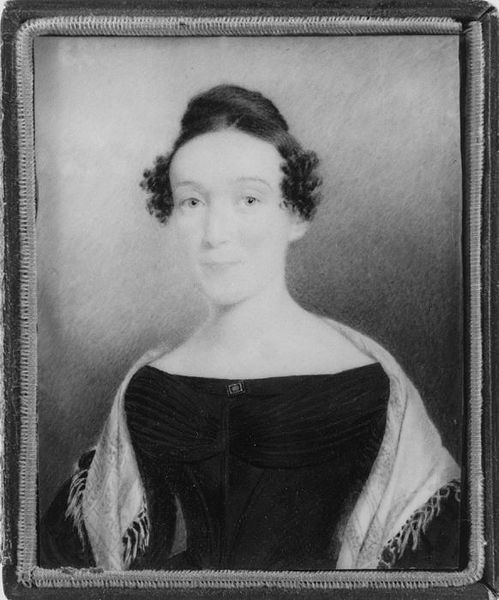
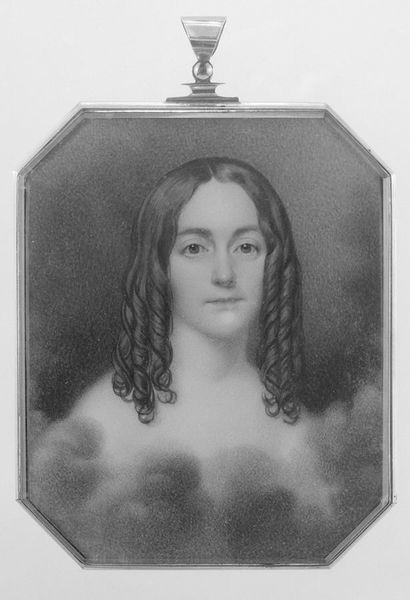
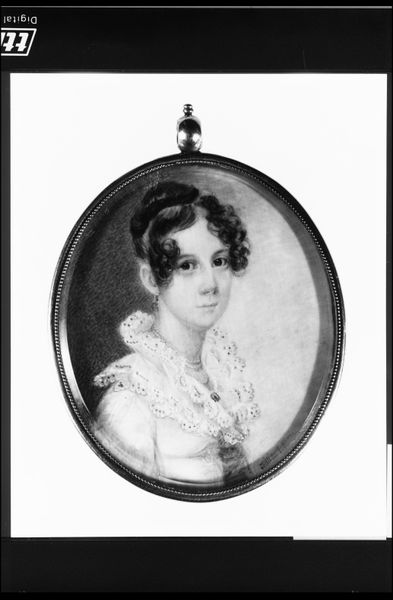
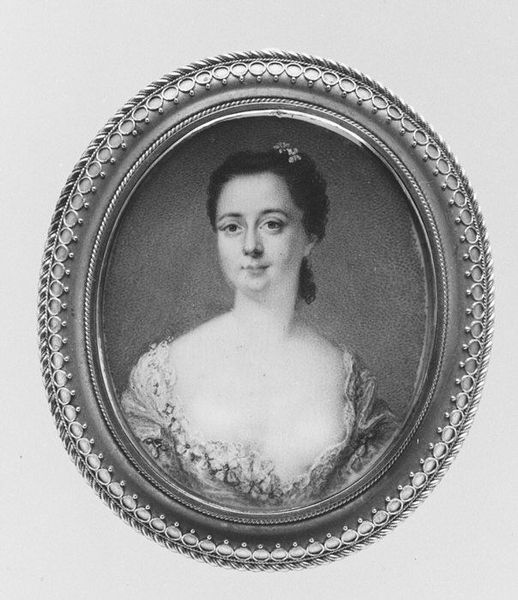
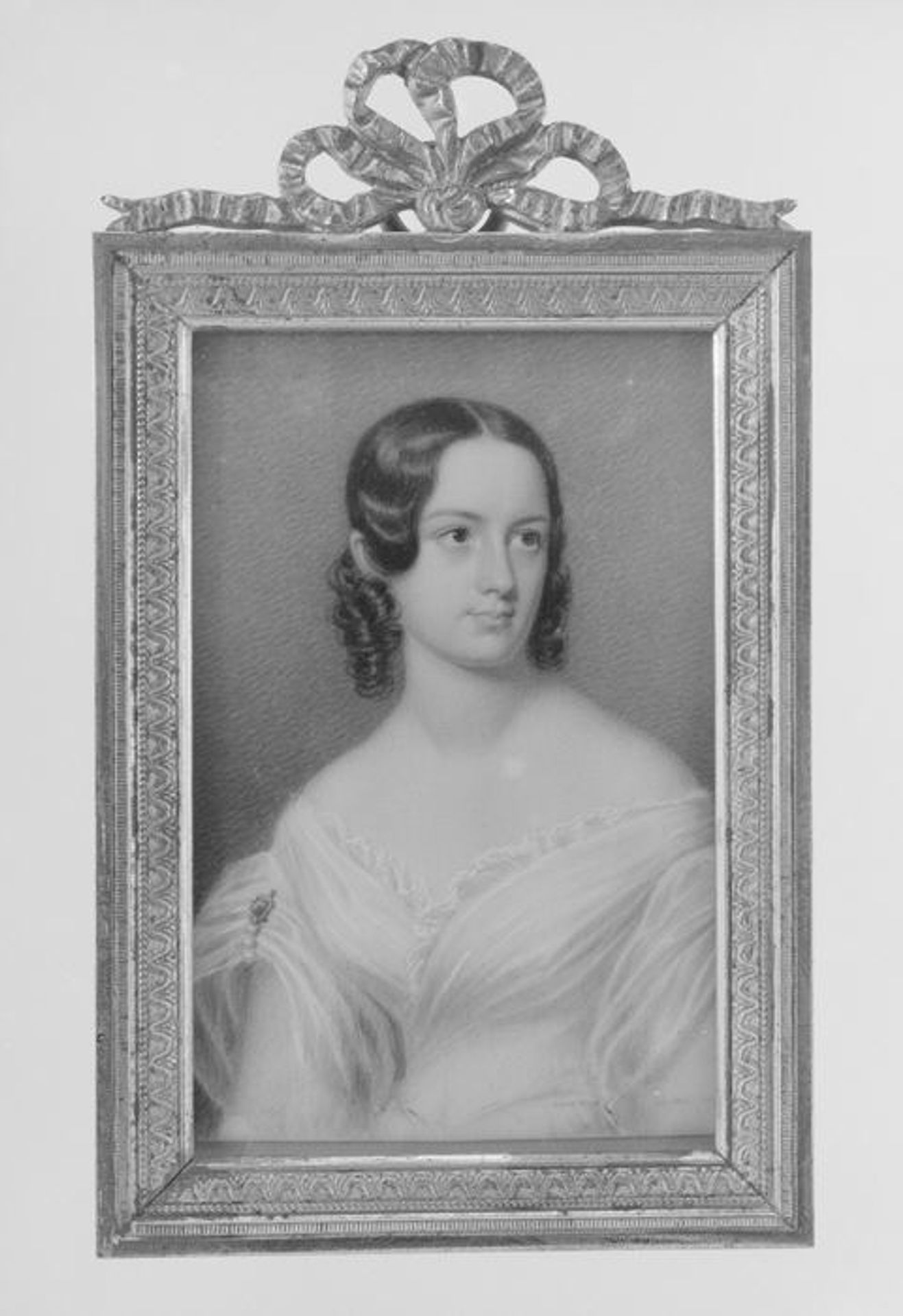
This is a miniature portrait of Mary Crosby, made by George Augustus Baker Jr. sometime in the mid-19th century. It's painted in watercolor on ivory, a costly material at the time, sourced from elephant tusks. The artist would have prepared the ivory surface meticulously to ensure smooth and even application of the paint. Building up thin layers of pigment, he captured the delicate features and complexion of his sitter. Miniatures like these were often commissioned by wealthy families as keepsakes, or tokens of affection. The preciousness of the materials and the considerable skill required to produce such a refined likeness elevated the genre beyond mere craft, appealing to a market driven by status and sentiment. Baker, like other successful miniaturists, operated within a complex economic ecosystem, where artistic talent intersected with material value and social aspiration. It's a reminder that even the most intimate of objects can be deeply embedded in wider systems of labor, class and consumption.
Mary Crosby
1840

George Augustus Baker Jr.
1821 - 1880
The Metropolitan Museum of Art
Metropolitan Museum of Art, New York, NYArtwork details
- Medium
- drawing, graphite
- Dimensions
- 3 3/8 x 2 3/16 in. (8.5 x 5.5 cm)
- Location
- Metropolitan Museum of Art, New York, NY
- Copyright
- Public Domain
Tags
Comments
Share your thoughts
About this artwork
This is a miniature portrait of Mary Crosby, made by George Augustus Baker Jr. sometime in the mid-19th century. It's painted in watercolor on ivory, a costly material at the time, sourced from elephant tusks. The artist would have prepared the ivory surface meticulously to ensure smooth and even application of the paint. Building up thin layers of pigment, he captured the delicate features and complexion of his sitter. Miniatures like these were often commissioned by wealthy families as keepsakes, or tokens of affection. The preciousness of the materials and the considerable skill required to produce such a refined likeness elevated the genre beyond mere craft, appealing to a market driven by status and sentiment. Baker, like other successful miniaturists, operated within a complex economic ecosystem, where artistic talent intersected with material value and social aspiration. It's a reminder that even the most intimate of objects can be deeply embedded in wider systems of labor, class and consumption.
Comments
Share your thoughts