About this artwork
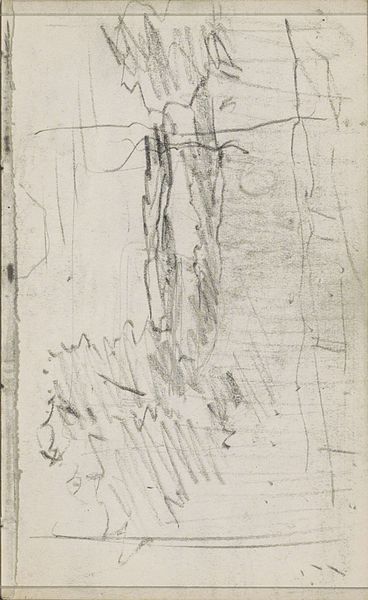
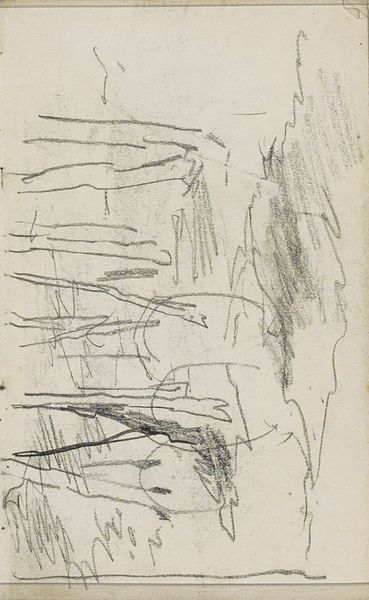
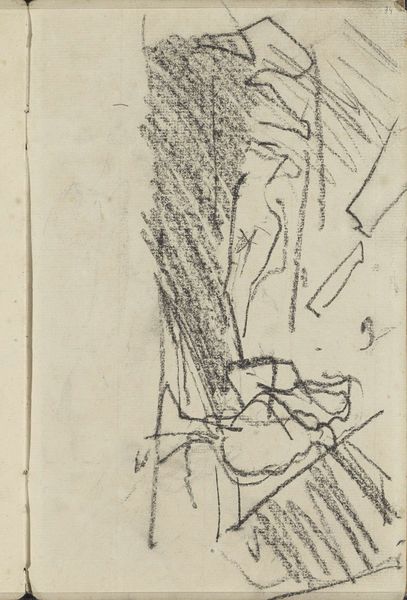
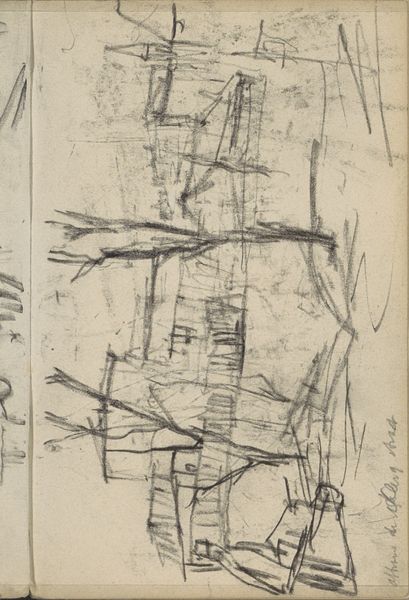
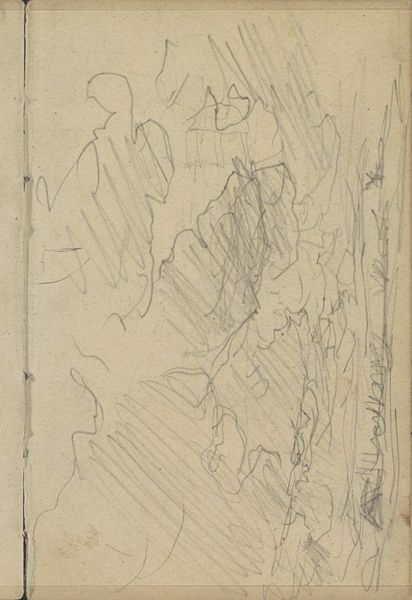
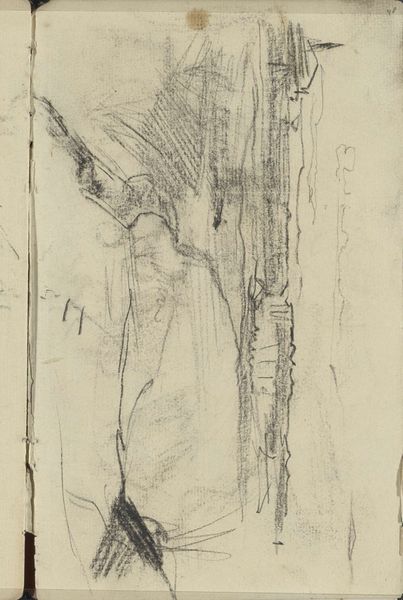
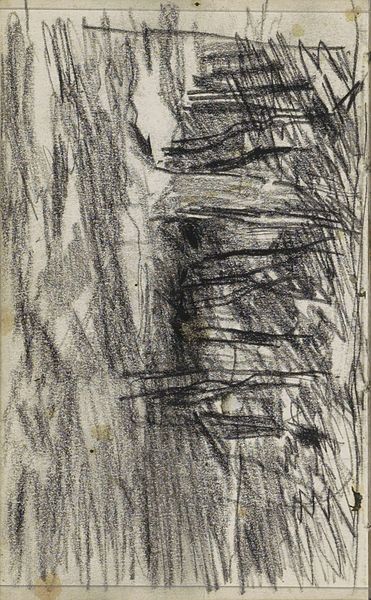
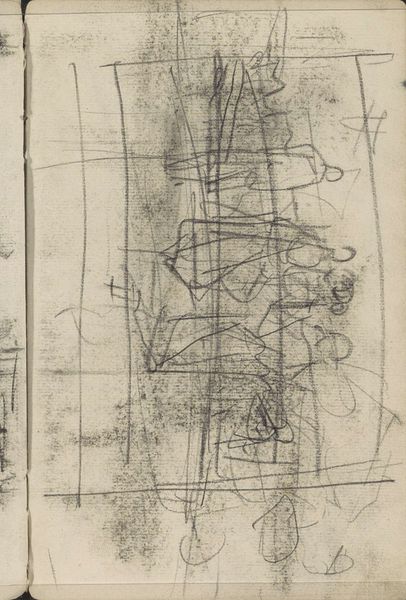
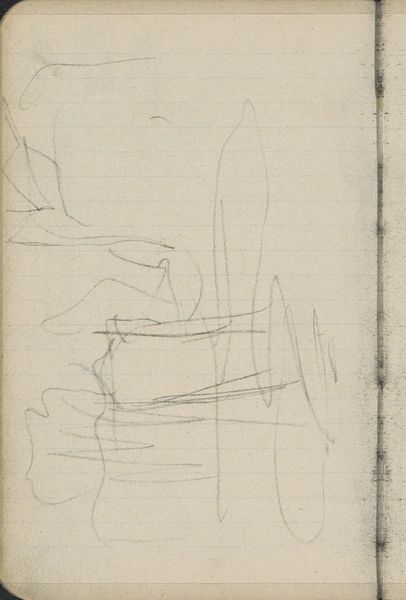
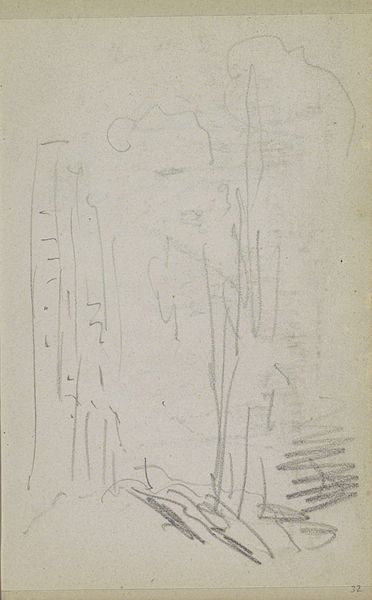
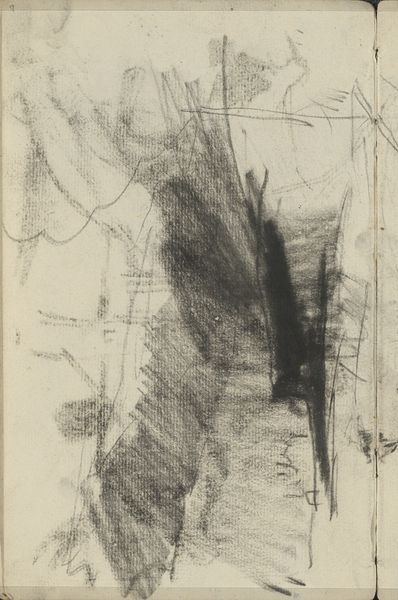
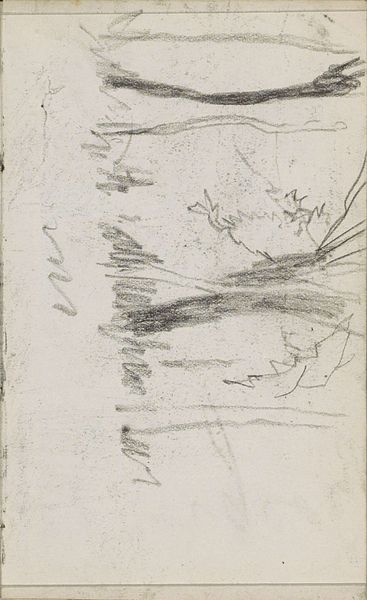
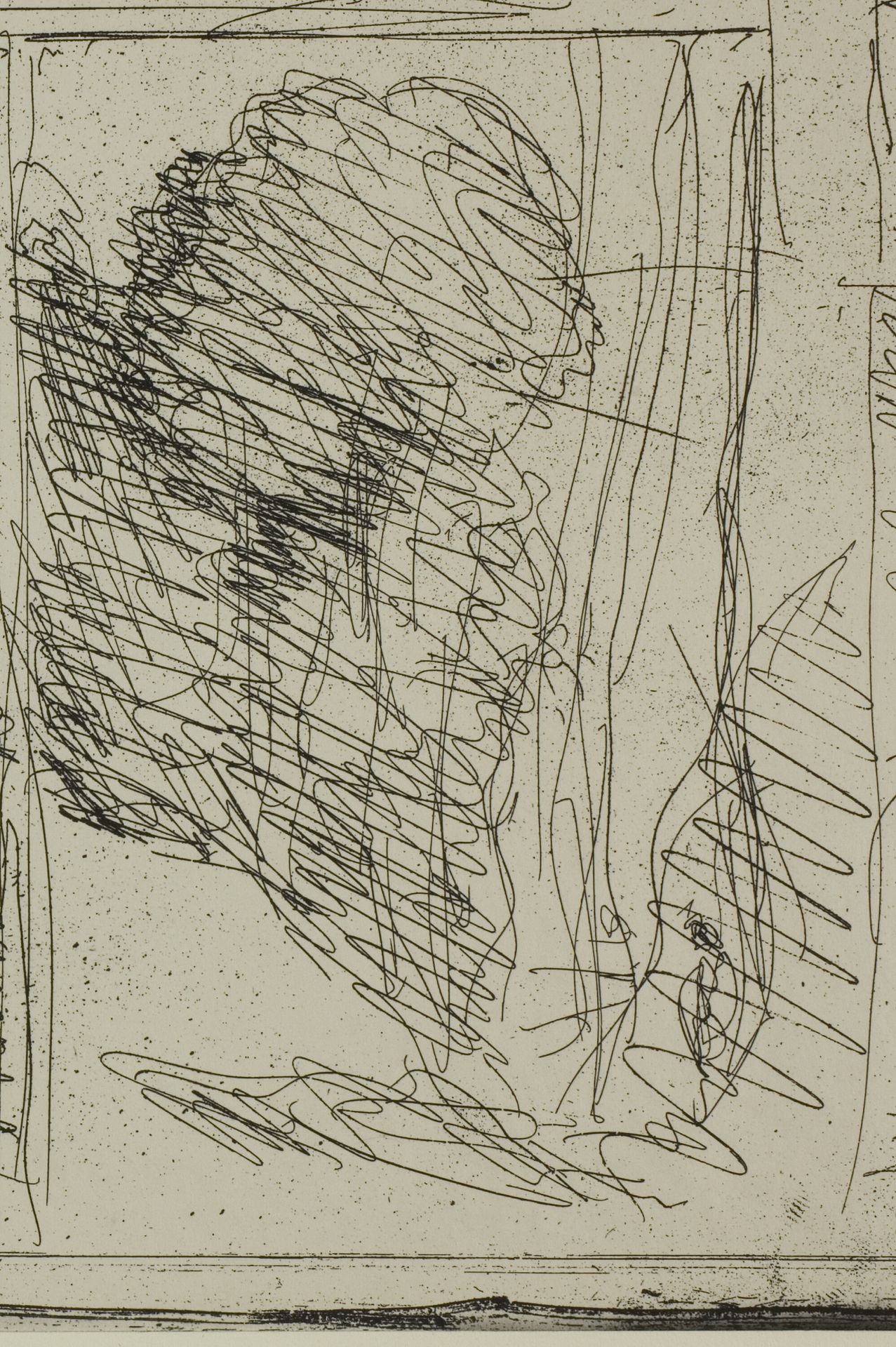
Camille Corot created this etching, "The Woodcutter," sometime in the mid-19th century. The figure of the woodcutter, obscured by a thicket of scribbled lines, invites us to consider the changing social landscape of France at this time. Corot’s loose, gestural style diverges from the academic art of his era, reflecting a shift towards more subjective and immediate representations of the world. We can see the influence of the Barbizon School, who advocated painting 'en plein air' - directly from nature. France was undergoing significant industrial development at the time. As cities grew, there was a heightened appreciation for rural life. The woodcutter, a traditional figure, becomes a symbol of a disappearing way of life. By studying Corot’s etchings alongside historical documents, such as exhibition reviews and economic surveys, we can better understand the complex interplay between art and society in 19th-century France.
The Woodcutter 1856


Artwork details
- Dimensions
- 40 × 180 mm (image); 287 × 360 mm (sheet)
- Location
- The Art Institute of Chicago
- Copyright
- Public Domain
Comments
No comments
About this artwork
Camille Corot created this etching, "The Woodcutter," sometime in the mid-19th century. The figure of the woodcutter, obscured by a thicket of scribbled lines, invites us to consider the changing social landscape of France at this time. Corot’s loose, gestural style diverges from the academic art of his era, reflecting a shift towards more subjective and immediate representations of the world. We can see the influence of the Barbizon School, who advocated painting 'en plein air' - directly from nature. France was undergoing significant industrial development at the time. As cities grew, there was a heightened appreciation for rural life. The woodcutter, a traditional figure, becomes a symbol of a disappearing way of life. By studying Corot’s etchings alongside historical documents, such as exhibition reviews and economic surveys, we can better understand the complex interplay between art and society in 19th-century France.
Comments
No comments