About this artwork
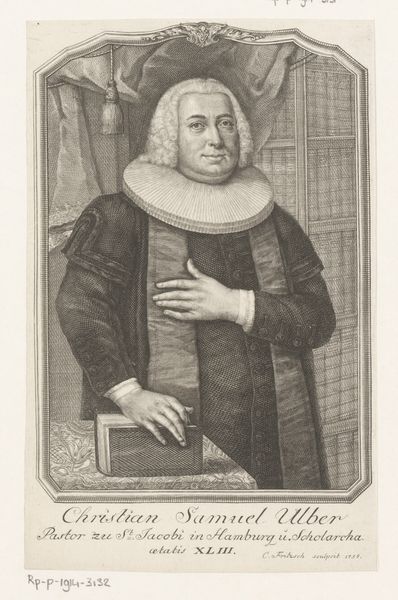
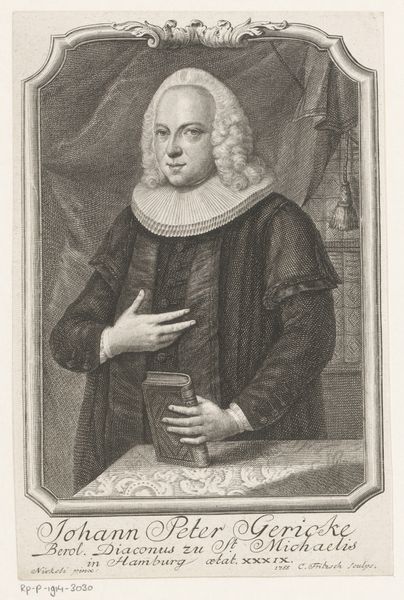
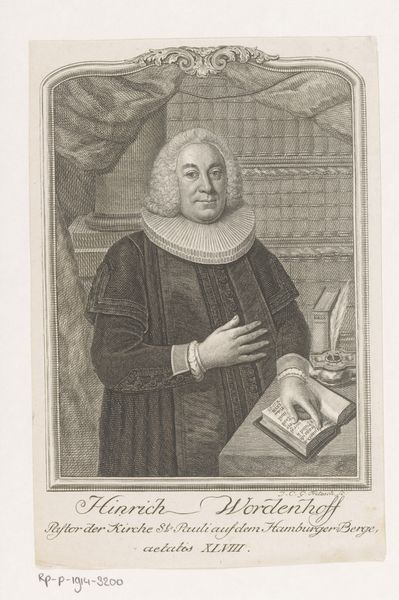
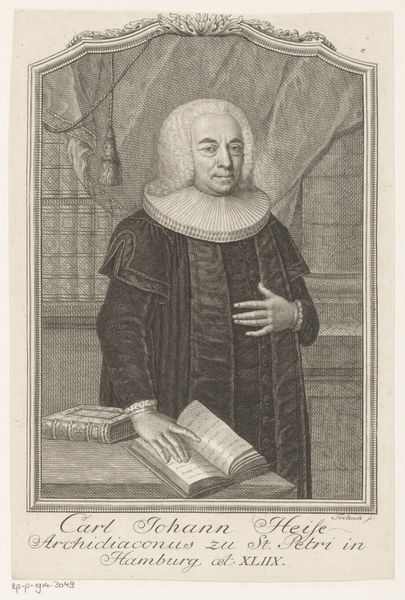
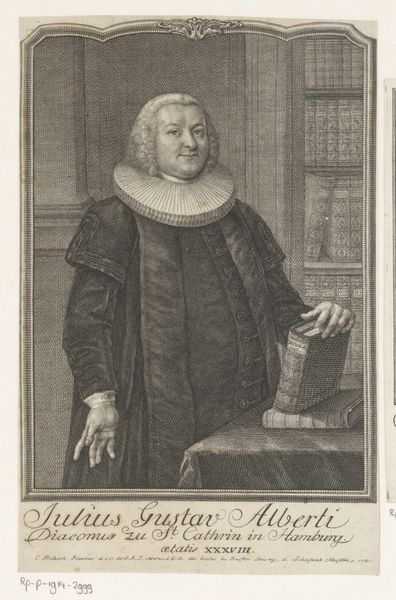
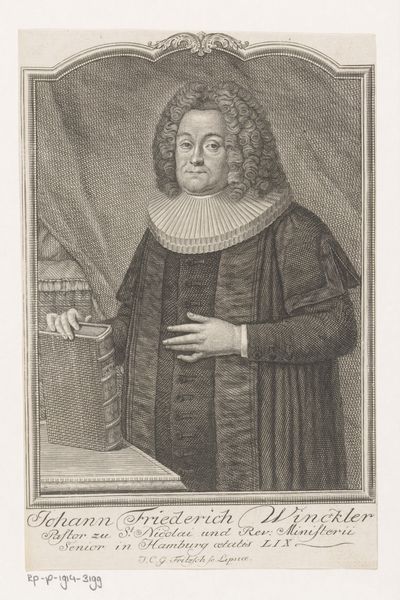
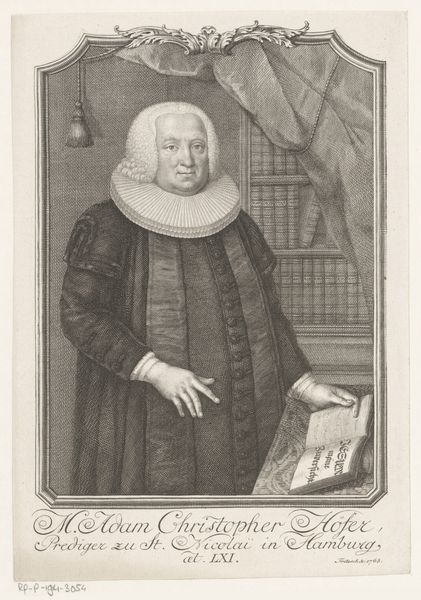
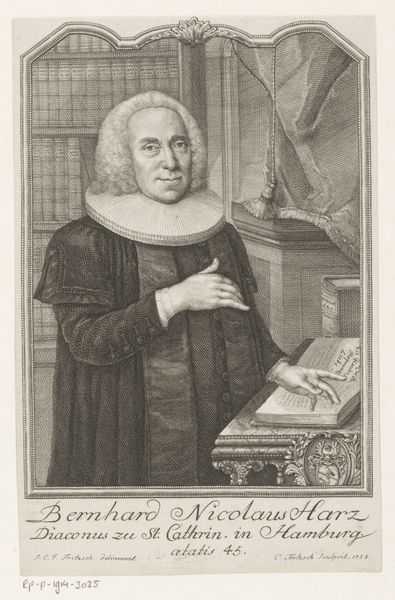
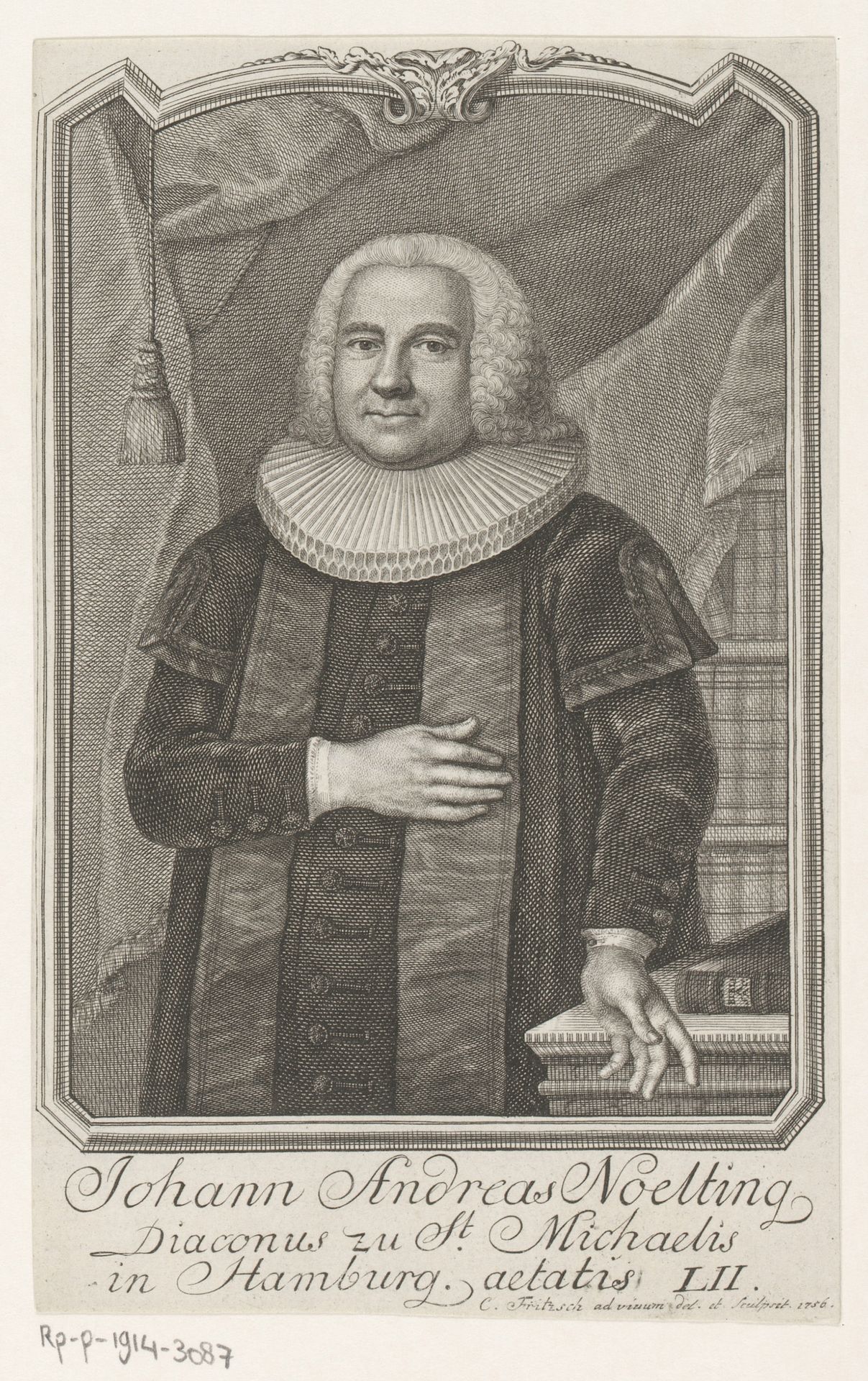
Christian Fritzsch made this print of Johann Andreas Nölting, a deacon in Hamburg. Notice Nölting’s hand, gently placed upon his chest – a gesture laden with meaning. In ancient times, this was a signal of fealty, of devotion, almost like a knight pledging allegiance. We see similar gestures across different epochs. Consider the “Ecce Homo” depictions of Christ, where he presents himself with a hand on his chest, symbolizing humility and acceptance of fate. Over time, this gesture evolves; it appears in secular portraits, subtly suggesting trustworthiness and sincerity. Yet, deep within, it stirs a collective memory of sacrifice and moral authority. The cultural recurrence of this symbol is a testament to its psychological impact, a non-linear progression of gestures and their meaning in different historical contexts.
Portret van Johann Andreas Nölting op 52-jarige leeftijd
1756

Christian Fritzsch
1695 - 1769Location
RijksmuseumArtwork details
- Dimensions
- height 187 mm, width 118 mm
- Location
- Rijksmuseum
- Copyright
- Rijks Museum: Open Domain
Comments
Share your thoughts
About this artwork
Christian Fritzsch made this print of Johann Andreas Nölting, a deacon in Hamburg. Notice Nölting’s hand, gently placed upon his chest – a gesture laden with meaning. In ancient times, this was a signal of fealty, of devotion, almost like a knight pledging allegiance. We see similar gestures across different epochs. Consider the “Ecce Homo” depictions of Christ, where he presents himself with a hand on his chest, symbolizing humility and acceptance of fate. Over time, this gesture evolves; it appears in secular portraits, subtly suggesting trustworthiness and sincerity. Yet, deep within, it stirs a collective memory of sacrifice and moral authority. The cultural recurrence of this symbol is a testament to its psychological impact, a non-linear progression of gestures and their meaning in different historical contexts.
Comments
Share your thoughts