About this artwork
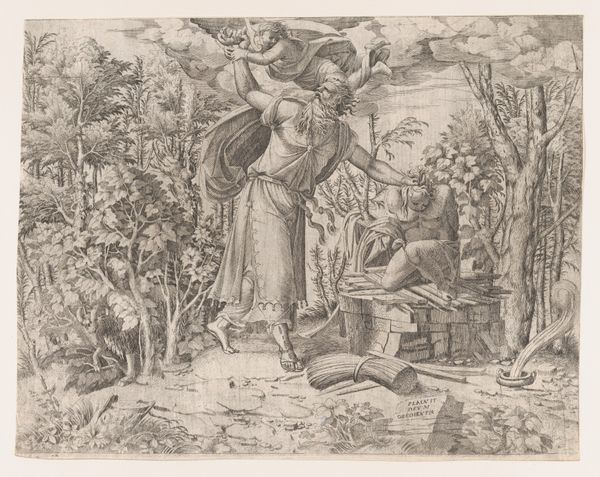
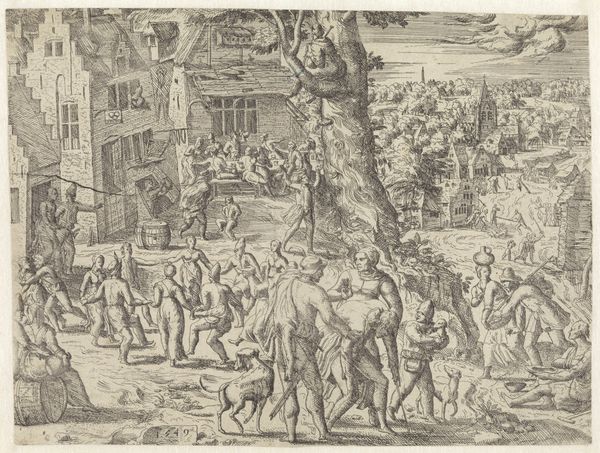
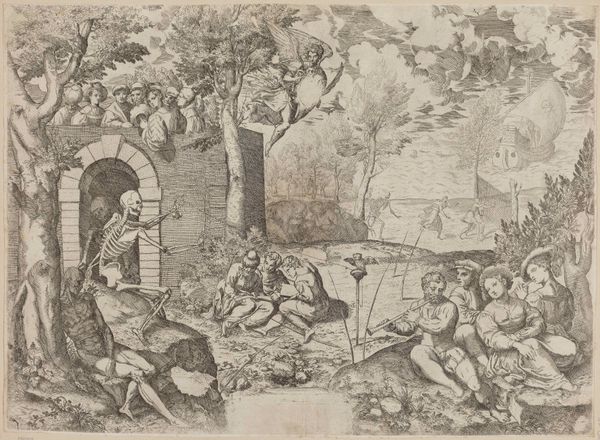
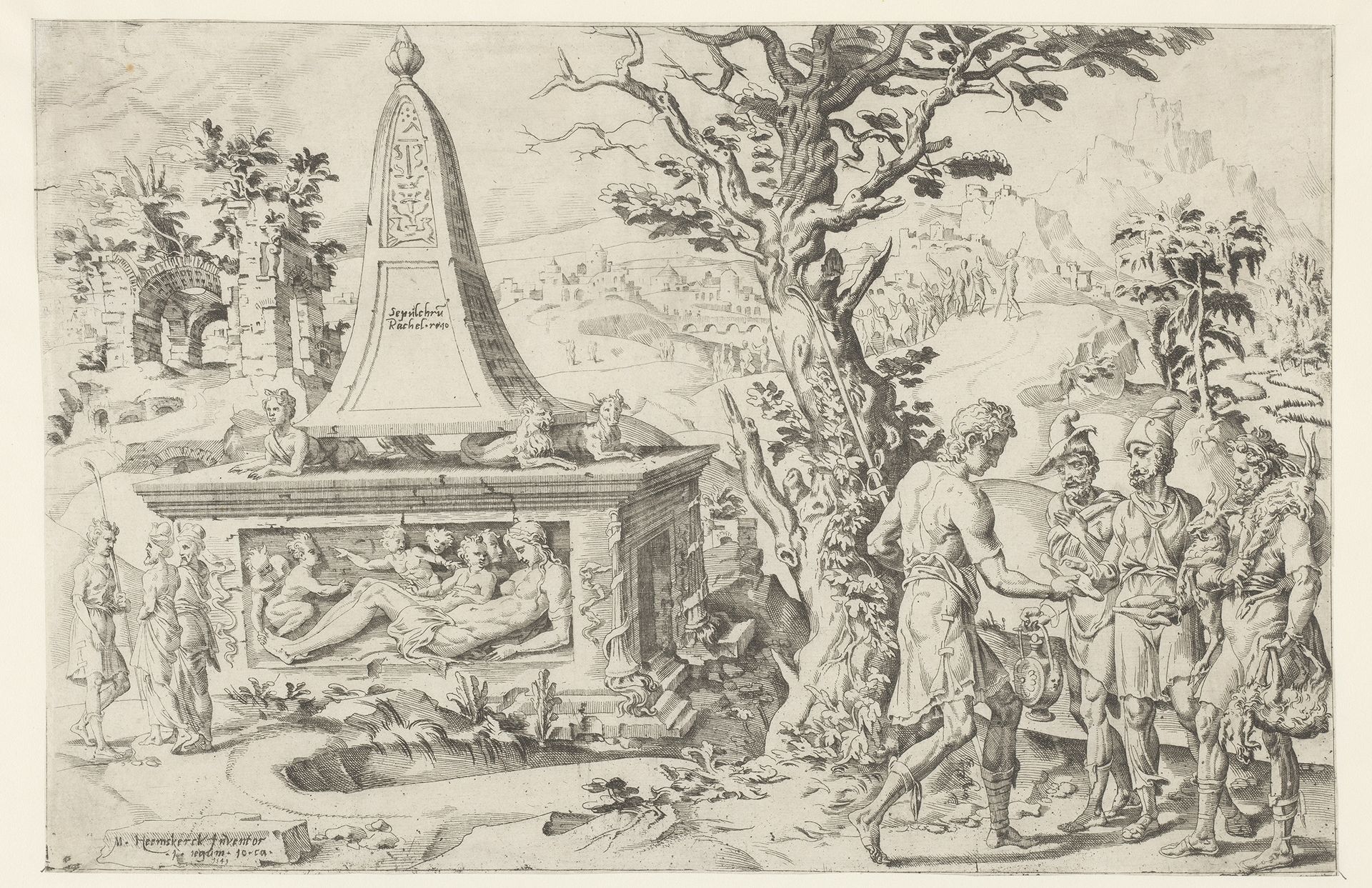
Dirck Volckertsz Coornhert created this print, “Saul Returns to His Father,” sometime in the 16th century. Coornhert was a Dutch printmaker, and he used his art to express his personal philosophy and humanistic views. Here, we see a story of reconciliation depicted in a detailed landscape. The classical-style tomb suggests a contemplation on mortality and the passage of time. This biblical scene can be interpreted through the lens of familial duty and forgiveness. What does it mean to return, not just physically, but emotionally and spiritually, to one's origins? In the historical context of the Reformation and Counter-Reformation, Coornhert's work embodies a quest for harmony and understanding amid religious and social upheaval. The artist seems to ask us to look inward and consider the values that shape our identities and communities. His art serves as a mirror reflecting the complexities of human relationships.
Saul keert terug naar zijn vader 1549

Dirck Volckertsz Coornhert
1519 - 1590Location
RijksmuseumArtwork details
- Medium
- drawing, ink, pen
- Dimensions
- width 423 mm, height 280 mm
- Location
- Rijksmuseum
- Copyright
- Rijks Museum: Open Domain
Tags
drawing
ink drawing
pen drawing
mannerism
ink
pen
Comments
No comments
About this artwork
Dirck Volckertsz Coornhert created this print, “Saul Returns to His Father,” sometime in the 16th century. Coornhert was a Dutch printmaker, and he used his art to express his personal philosophy and humanistic views. Here, we see a story of reconciliation depicted in a detailed landscape. The classical-style tomb suggests a contemplation on mortality and the passage of time. This biblical scene can be interpreted through the lens of familial duty and forgiveness. What does it mean to return, not just physically, but emotionally and spiritually, to one's origins? In the historical context of the Reformation and Counter-Reformation, Coornhert's work embodies a quest for harmony and understanding amid religious and social upheaval. The artist seems to ask us to look inward and consider the values that shape our identities and communities. His art serves as a mirror reflecting the complexities of human relationships.
Comments
No comments