About this artwork
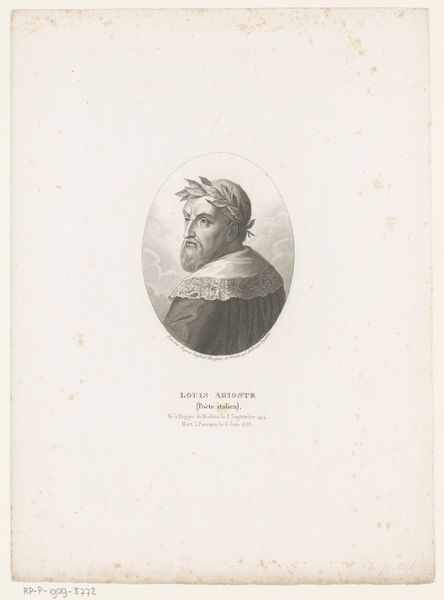
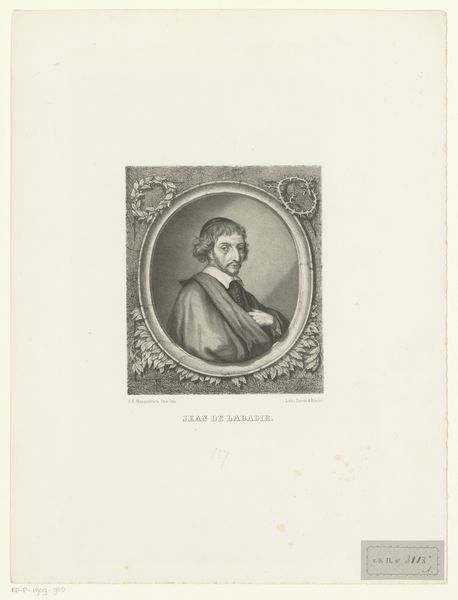
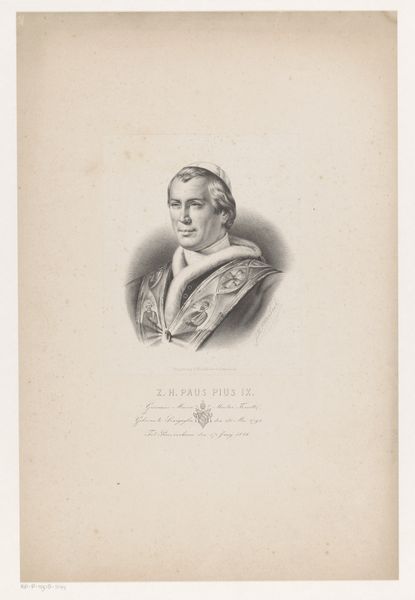
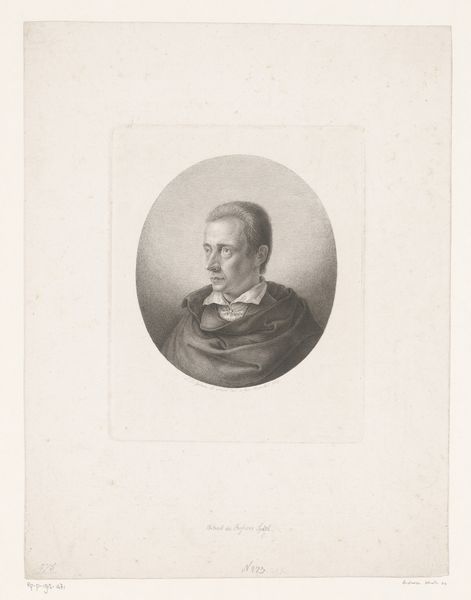
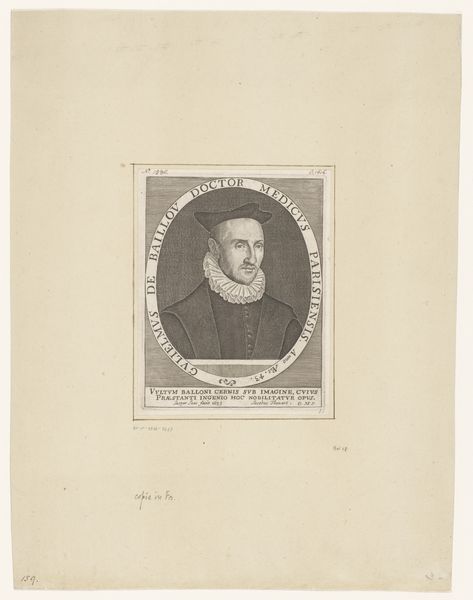
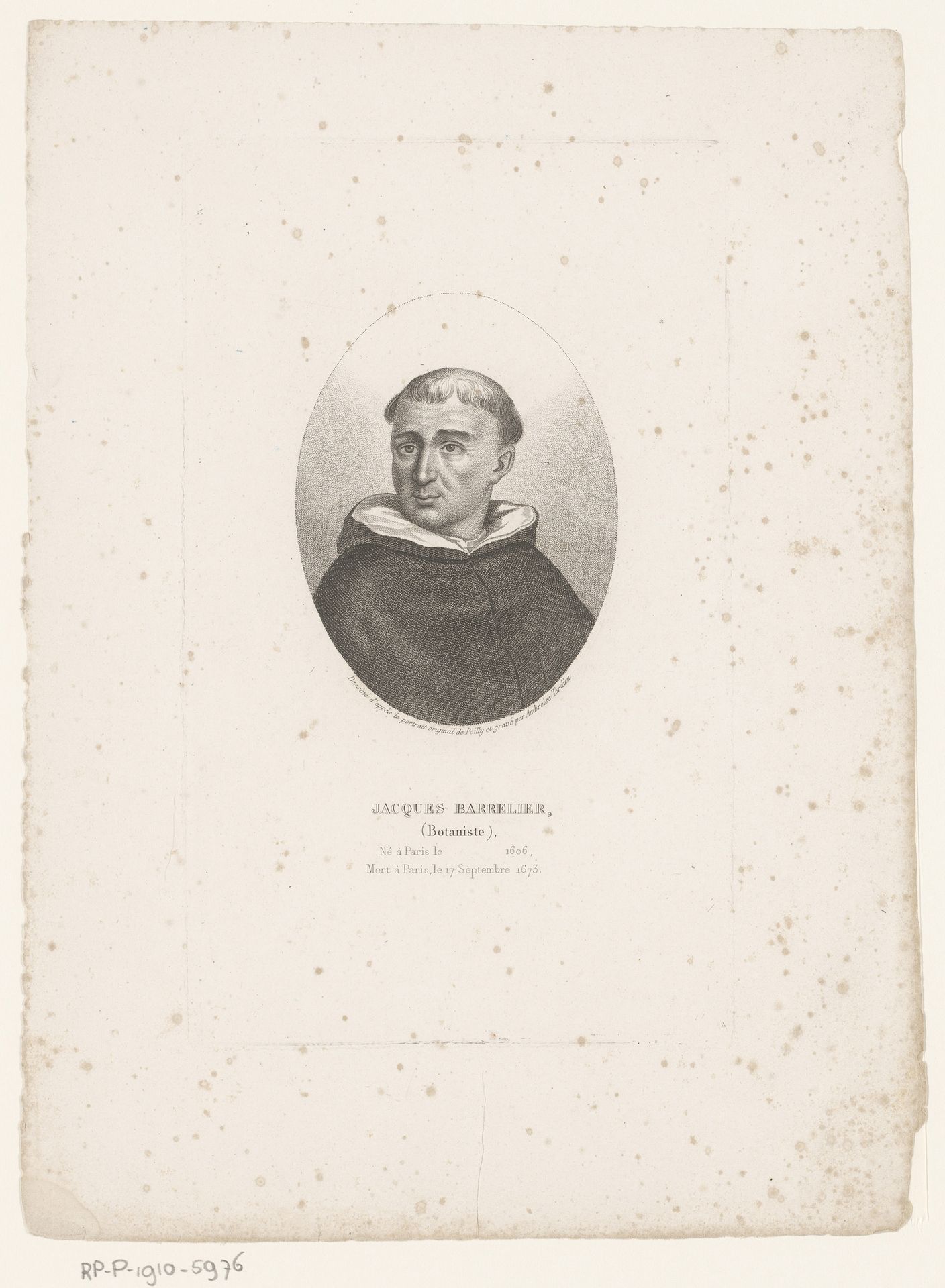
Ambroise Tardieu created this portrait of Jacques Barrelier in the 19th century. The simple monk's robe is the most striking element of the composition, immediately conveying a sense of humility and religious devotion. The robe, a recurring symbol in the visual lexicon, connects Barrelier to a lineage of ascetics and spiritual figures across cultures and eras. We see it echoed in images of early Christian saints, Buddhist monks, and even classical philosophers, each adopting the garment as an emblem of their detachment from worldly concerns. Consider, for instance, the way the robe reappears in depictions of Saint Francis of Assisi, its coarse fabric emphasizing a life of poverty and dedication to God. Yet, this very symbol of renunciation also carries an emotional weight, tapping into our collective memory of spiritual seeking and moral purity. The cyclical nature of such symbols reminds us that history is not a linear progression but a continuous return and reinterpretation.

Artwork details
- Medium
- print, etching
- Dimensions
- height 216 mm, width 131 mm
- Copyright
- Rijks Museum: Open Domain
Tags
portrait
aged paper
toned paper
light pencil work
etching
light coloured
old engraving style
personal sketchbook
academic-art
realism
Comments
No comments
About this artwork
Ambroise Tardieu created this portrait of Jacques Barrelier in the 19th century. The simple monk's robe is the most striking element of the composition, immediately conveying a sense of humility and religious devotion. The robe, a recurring symbol in the visual lexicon, connects Barrelier to a lineage of ascetics and spiritual figures across cultures and eras. We see it echoed in images of early Christian saints, Buddhist monks, and even classical philosophers, each adopting the garment as an emblem of their detachment from worldly concerns. Consider, for instance, the way the robe reappears in depictions of Saint Francis of Assisi, its coarse fabric emphasizing a life of poverty and dedication to God. Yet, this very symbol of renunciation also carries an emotional weight, tapping into our collective memory of spiritual seeking and moral purity. The cyclical nature of such symbols reminds us that history is not a linear progression but a continuous return and reinterpretation.
Comments
No comments