About this artwork
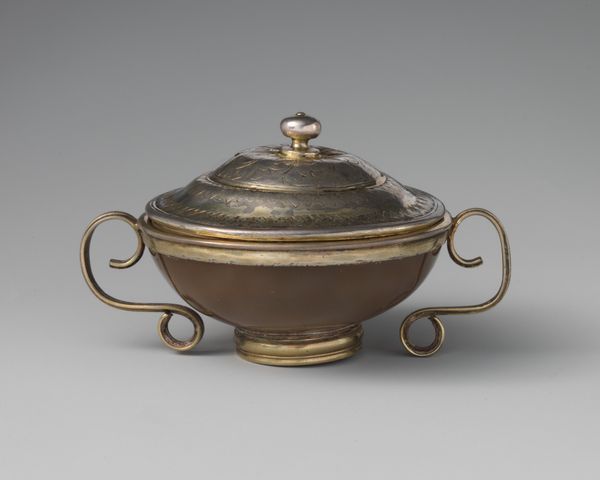
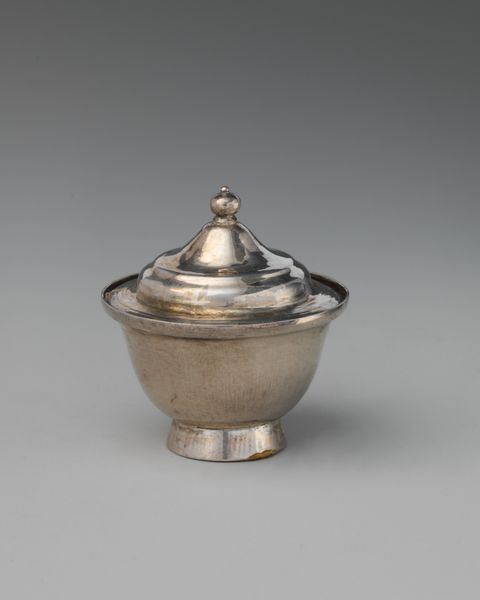
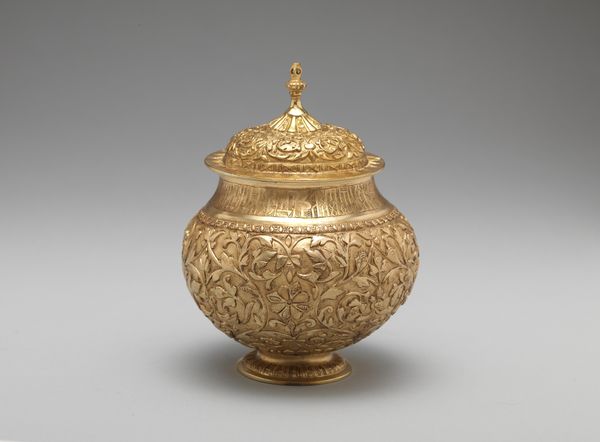
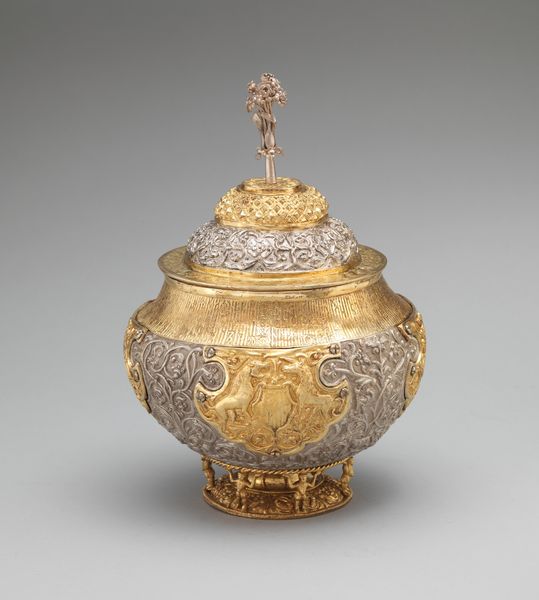
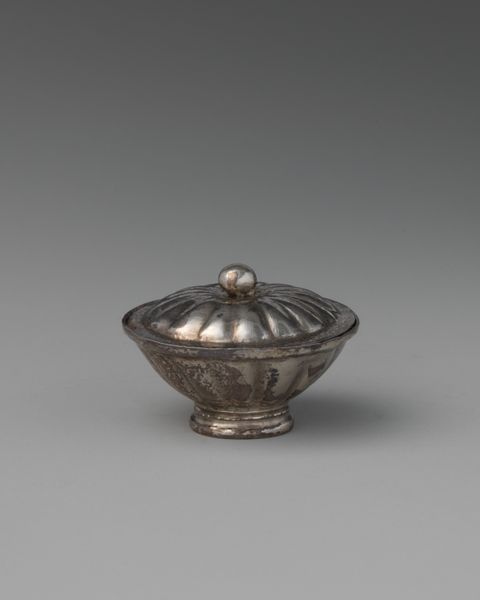
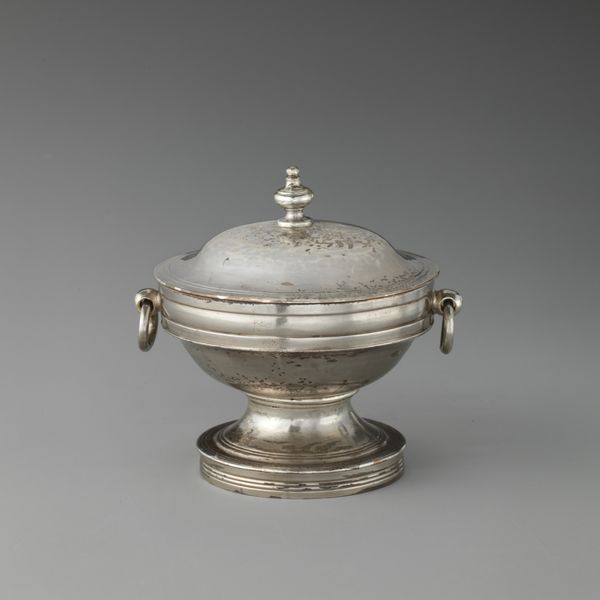
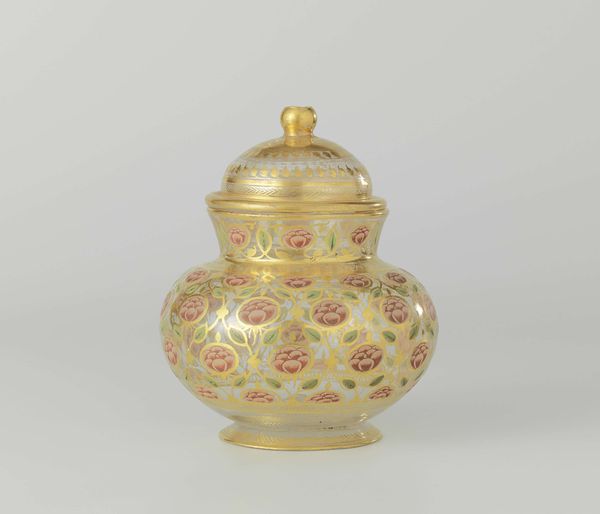
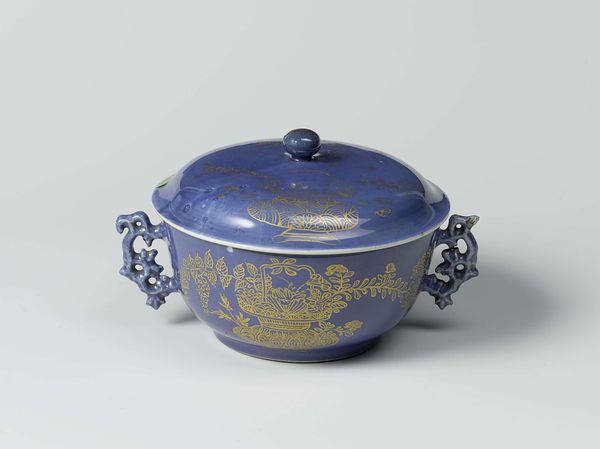
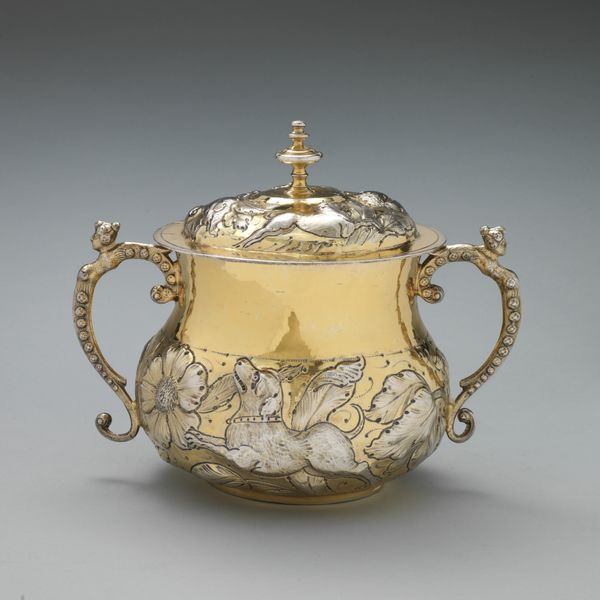
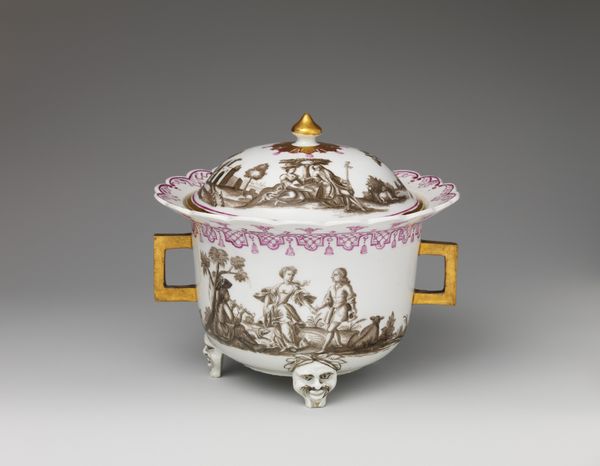
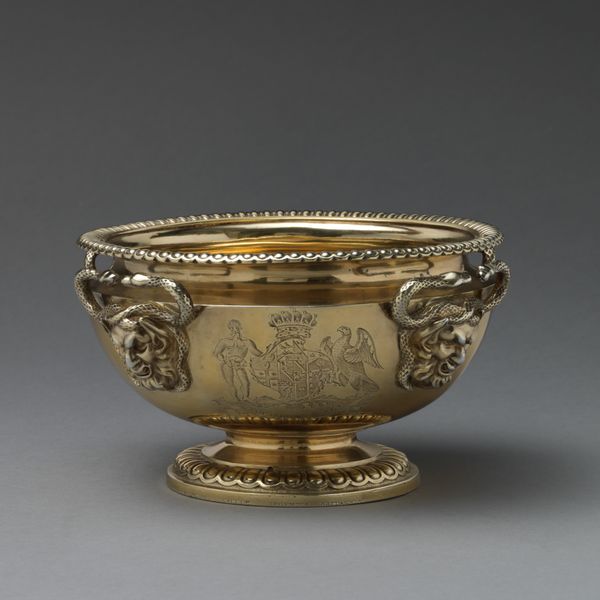
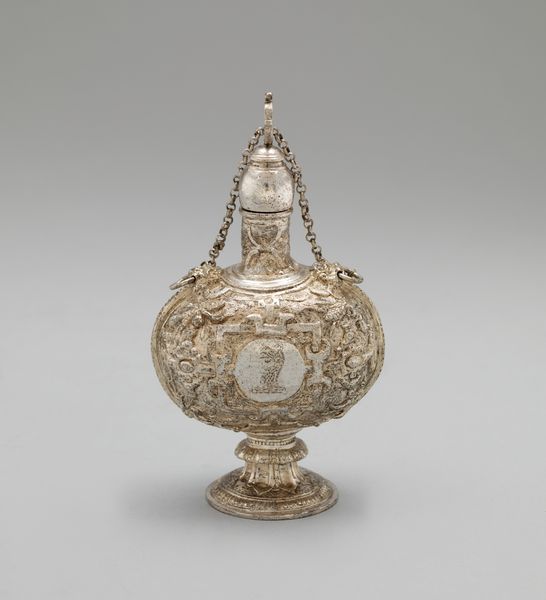
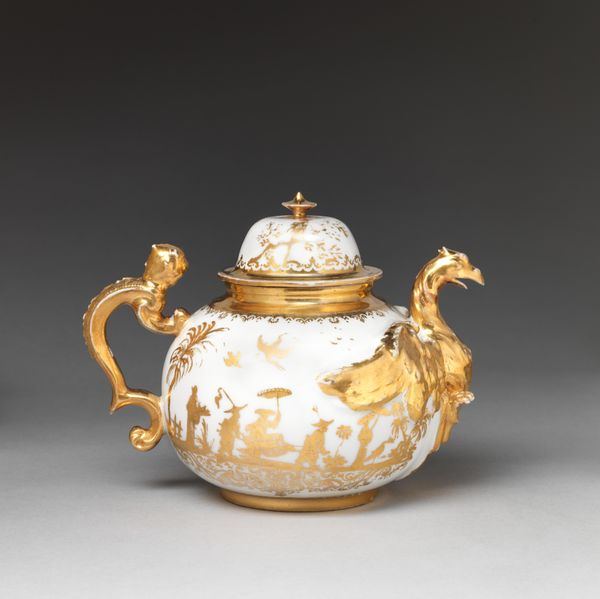
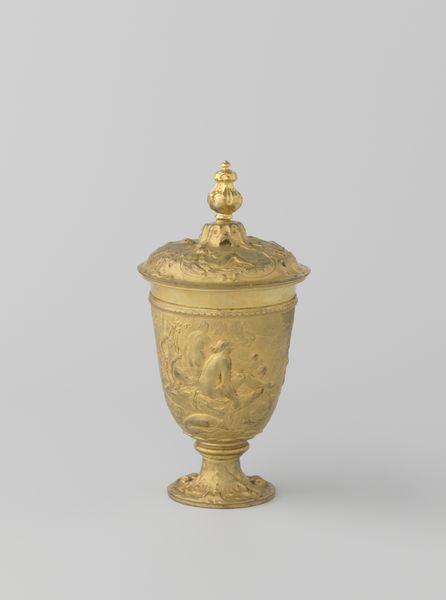
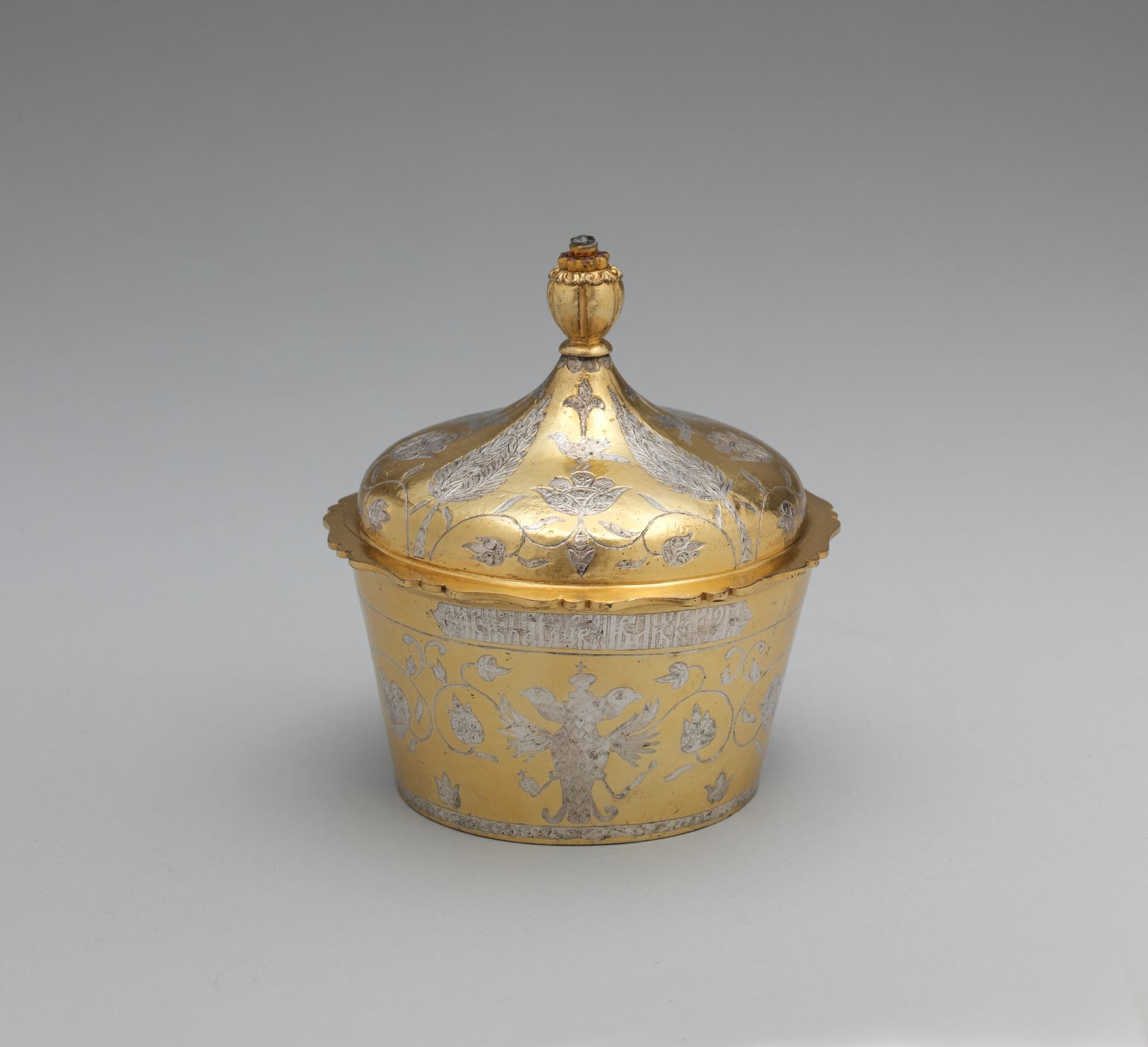
This Cup with Cover was made by Elkington & Co. The cup is a fascinating example of Victorian metalwork, blending aesthetic and historical interests. The firm Elkington & Co. gained renown for its innovative electroplating techniques, allowing for the mass production of luxury items, previously accessible only to the elite. The design incorporates motifs from various historical periods and cultures, reflecting the Victorian era's fascination with the past and its imperial reach. The overall form hints at medieval or Renaissance precedents, while the decorative patterns suggest influences from the Middle East and Asia. The result is a pastiche that speaks to Victorian Britain's self-image as a global power, drawing wealth and influence from across the world. To understand such works, we delve into the history of design and manufacturing. We examine trade patterns and colonial history. We question the power dynamics embedded in these objects and how the Victorians understood their place in the world.
Cup with cover
19th century


Artwork details
- Dimensions
- Overall: 5 5/8 × 4 7/8 × 4 7/8 in. (14.3 × 12.4 × 12.4 cm)
- Location
- Metropolitan Museum of Art, New York, NY
- Copyright
- Public Domain
Comments
Share your thoughts
About this artwork
This Cup with Cover was made by Elkington & Co. The cup is a fascinating example of Victorian metalwork, blending aesthetic and historical interests. The firm Elkington & Co. gained renown for its innovative electroplating techniques, allowing for the mass production of luxury items, previously accessible only to the elite. The design incorporates motifs from various historical periods and cultures, reflecting the Victorian era's fascination with the past and its imperial reach. The overall form hints at medieval or Renaissance precedents, while the decorative patterns suggest influences from the Middle East and Asia. The result is a pastiche that speaks to Victorian Britain's self-image as a global power, drawing wealth and influence from across the world. To understand such works, we delve into the history of design and manufacturing. We examine trade patterns and colonial history. We question the power dynamics embedded in these objects and how the Victorians understood their place in the world.
Comments
Share your thoughts