About this artwork
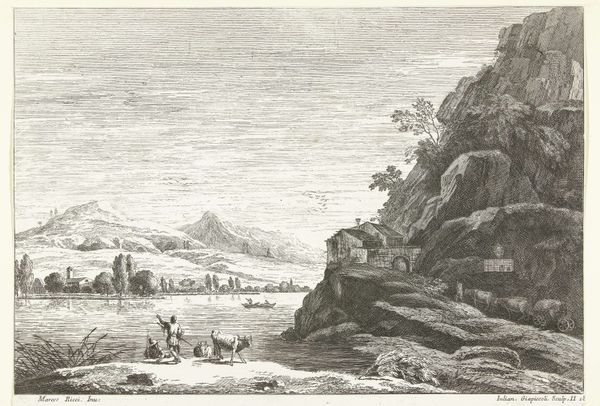
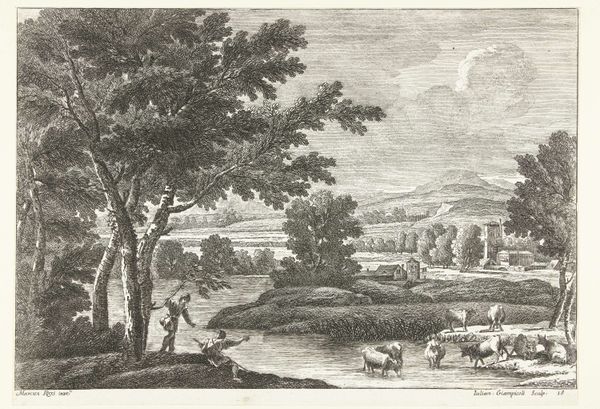
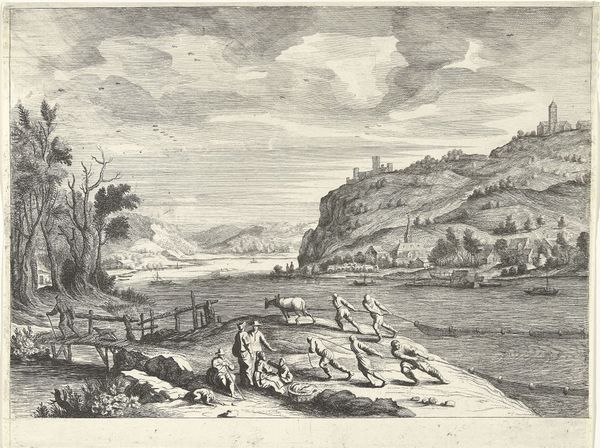
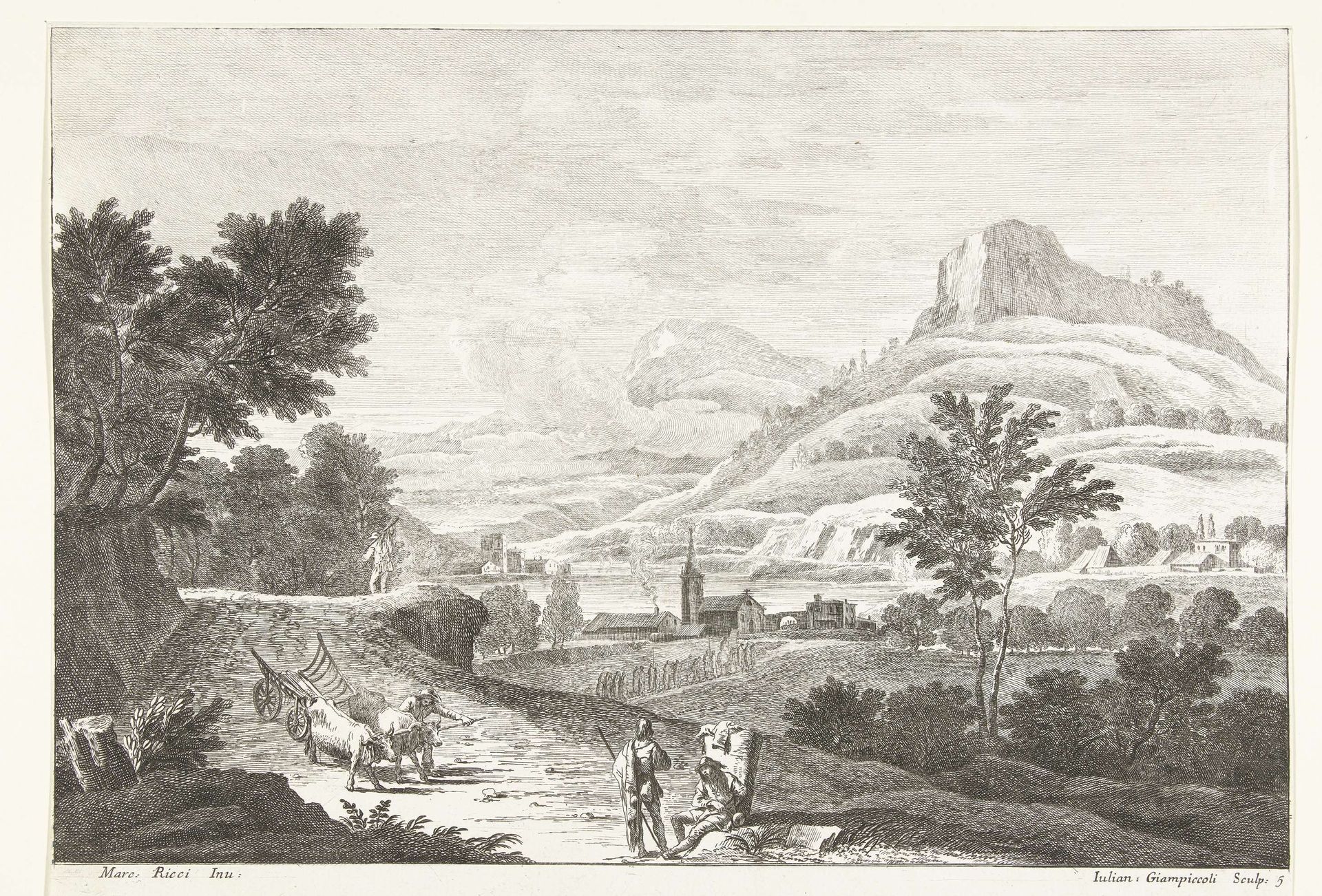
Giuliano Giampiccoli created this landscape with etching around the mid-18th century. We see a procession in the distance, a funeral perhaps, making its way through the countryside. What interests me most here is the ever-present motif of the procession. This symbol, laden with cultural weight, speaks to humanity’s timeless confrontation with mortality. Think of Egyptian funerary processions, where the deceased were ferried across the Nile to the land of the dead. Or consider the Roman triumphs, parades celebrating military victories, a spectacle of power and earthly glory, yet a reminder of life’s fleeting nature. Here, the somber procession is set against a serene landscape, a contrast that evokes a deep, almost subconscious emotional response. The path of life and death winds through the same terrain. This image, though simple in its lines, resonates with echoes of our shared human experience. It shows us that even in the Age of Enlightenment, the ancient symbols persist, transformed, yet still potent.
Landschap met ossenkar en begrafenis 1739 - 1740

Giuliano Giampiccoli
1703 - 1759Location
RijksmuseumArtwork details
- Medium
- print, etching, engraving
- Dimensions
- height 249 mm, width 349 mm
- Location
- Rijksmuseum
- Copyright
- Rijks Museum: Open Domain
Tags
baroque
etching
landscape
form
mountain
line
italian-renaissance
engraving
realism
Comments
No comments
About this artwork
Giuliano Giampiccoli created this landscape with etching around the mid-18th century. We see a procession in the distance, a funeral perhaps, making its way through the countryside. What interests me most here is the ever-present motif of the procession. This symbol, laden with cultural weight, speaks to humanity’s timeless confrontation with mortality. Think of Egyptian funerary processions, where the deceased were ferried across the Nile to the land of the dead. Or consider the Roman triumphs, parades celebrating military victories, a spectacle of power and earthly glory, yet a reminder of life’s fleeting nature. Here, the somber procession is set against a serene landscape, a contrast that evokes a deep, almost subconscious emotional response. The path of life and death winds through the same terrain. This image, though simple in its lines, resonates with echoes of our shared human experience. It shows us that even in the Age of Enlightenment, the ancient symbols persist, transformed, yet still potent.
Comments
No comments