About this artwork
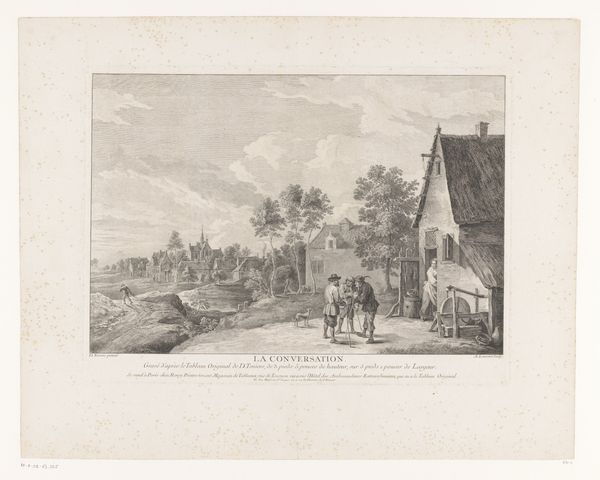
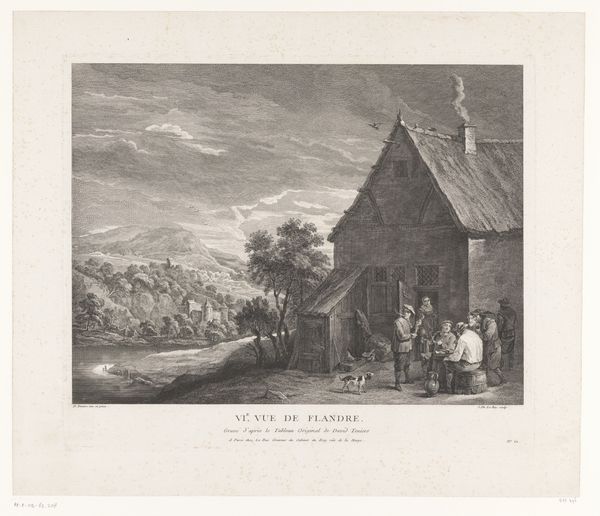
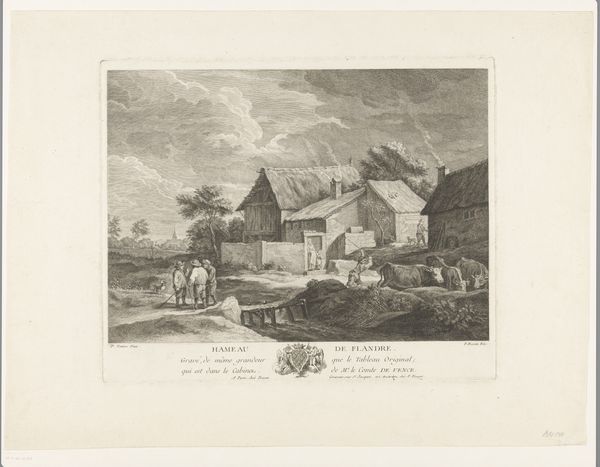
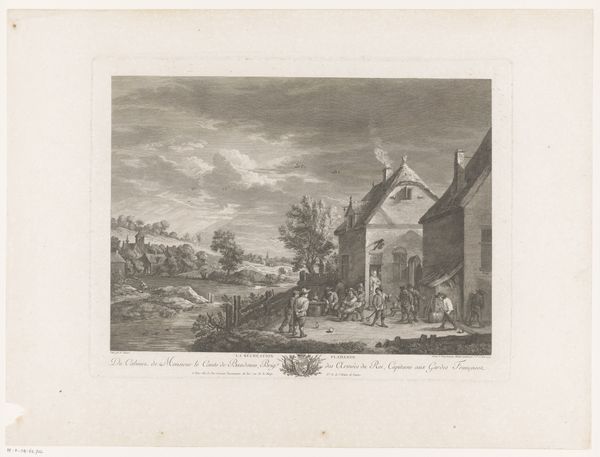
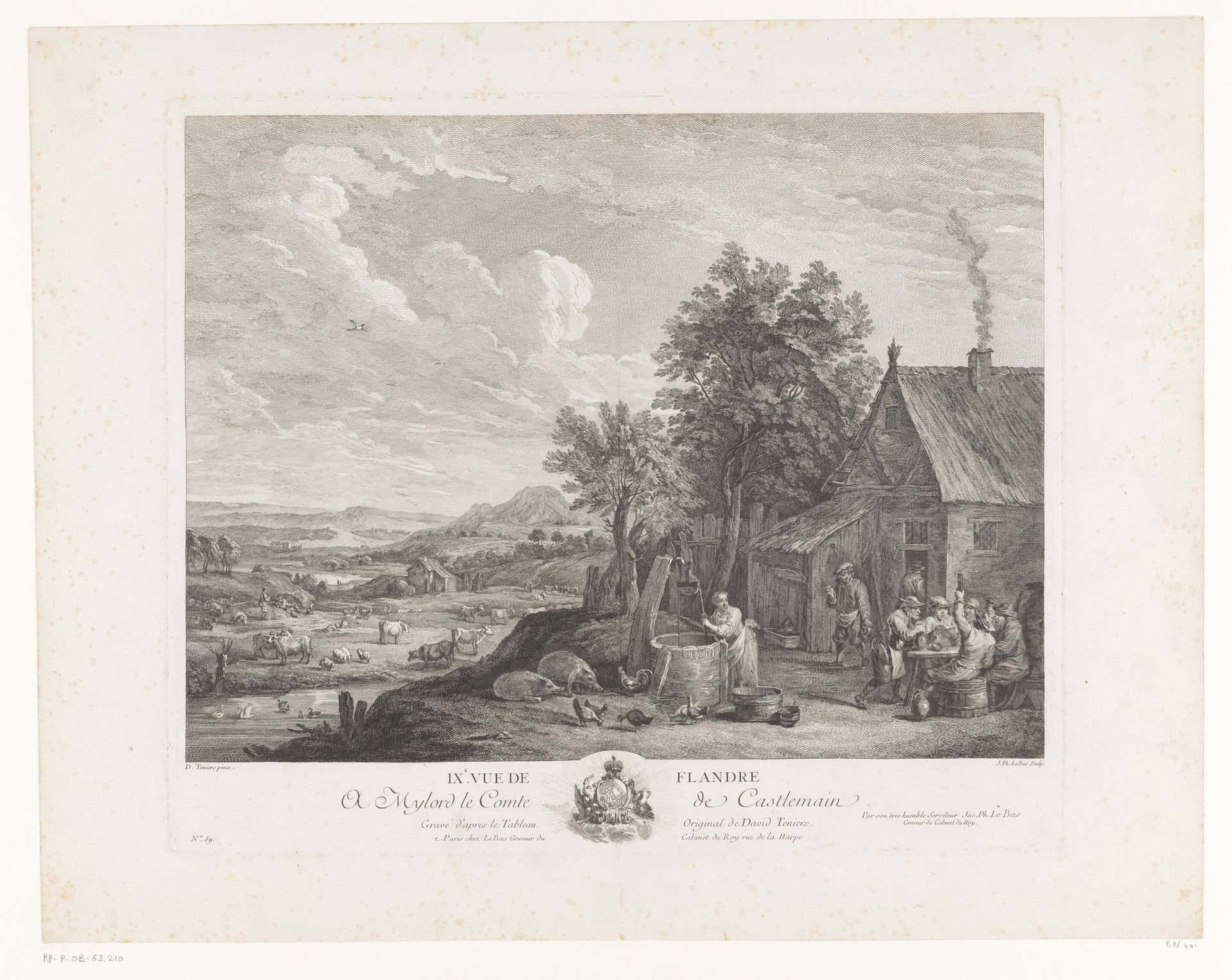
This is Jacques Philippe Le Bas' etching, "Boerengezelschap voor een huis in een landschap," a scene brimming with symbols of rustic life. Notice the well, a focal point, drawing water which symbolizes life and sustenance. This is not merely water, but the origin of community and survival. Observe how this motif echoes across time. In ancient mythologies, wells and springs were often guarded by deities, embodying sacred spaces where humans connected with the divine. In Le Bas' work, the figures gathered around the well perform everyday tasks, yet they invoke the enduring symbolism of water as a life-giving force. This collective memory surfaces even today, perhaps unconsciously, as we are drawn to similar communal spaces. The well, therefore, becomes a stage for human existence, resonating with layers of history and primal needs.
Boerengezelschap voor een huis in een landschap 1751

Jacques Philippe Le Bas
1707 - 1783Location
RijksmuseumArtwork details
- Medium
- print, engraving
- Dimensions
- height 391 mm, width 462 mm
- Location
- Rijksmuseum
- Copyright
- Rijks Museum: Open Domain
Tags
baroque
old engraving style
landscape
figuration
line
genre-painting
engraving
Comments
No comments
About this artwork
This is Jacques Philippe Le Bas' etching, "Boerengezelschap voor een huis in een landschap," a scene brimming with symbols of rustic life. Notice the well, a focal point, drawing water which symbolizes life and sustenance. This is not merely water, but the origin of community and survival. Observe how this motif echoes across time. In ancient mythologies, wells and springs were often guarded by deities, embodying sacred spaces where humans connected with the divine. In Le Bas' work, the figures gathered around the well perform everyday tasks, yet they invoke the enduring symbolism of water as a life-giving force. This collective memory surfaces even today, perhaps unconsciously, as we are drawn to similar communal spaces. The well, therefore, becomes a stage for human existence, resonating with layers of history and primal needs.
Comments
No comments