About this artwork
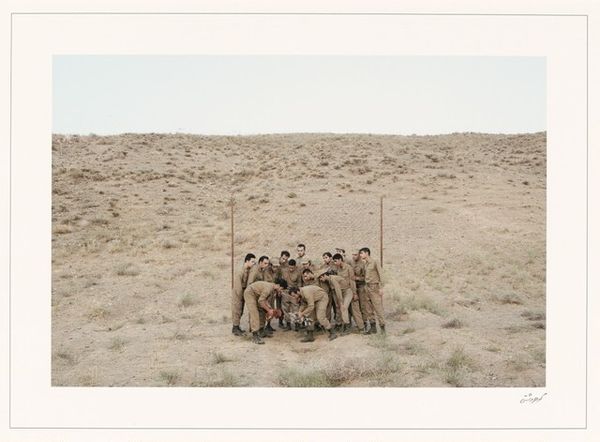
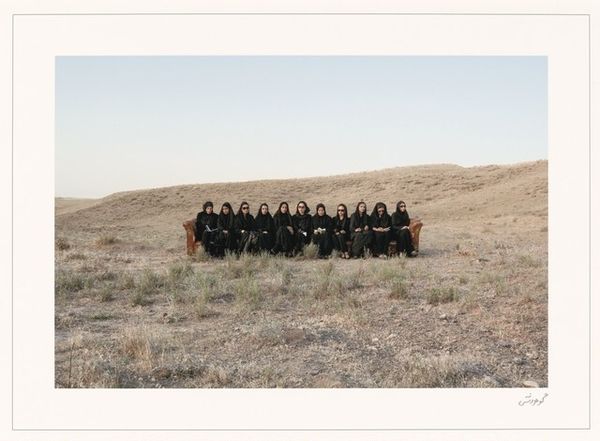
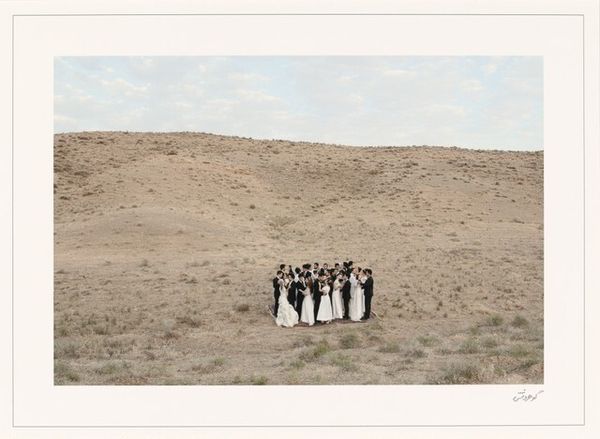
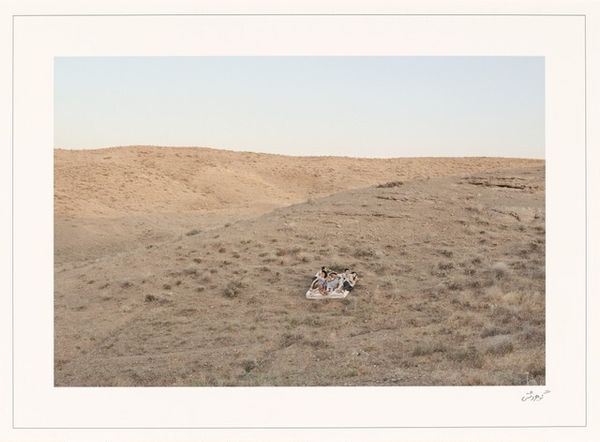
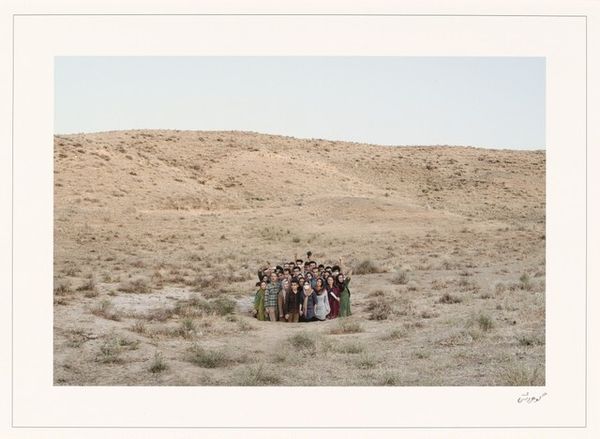
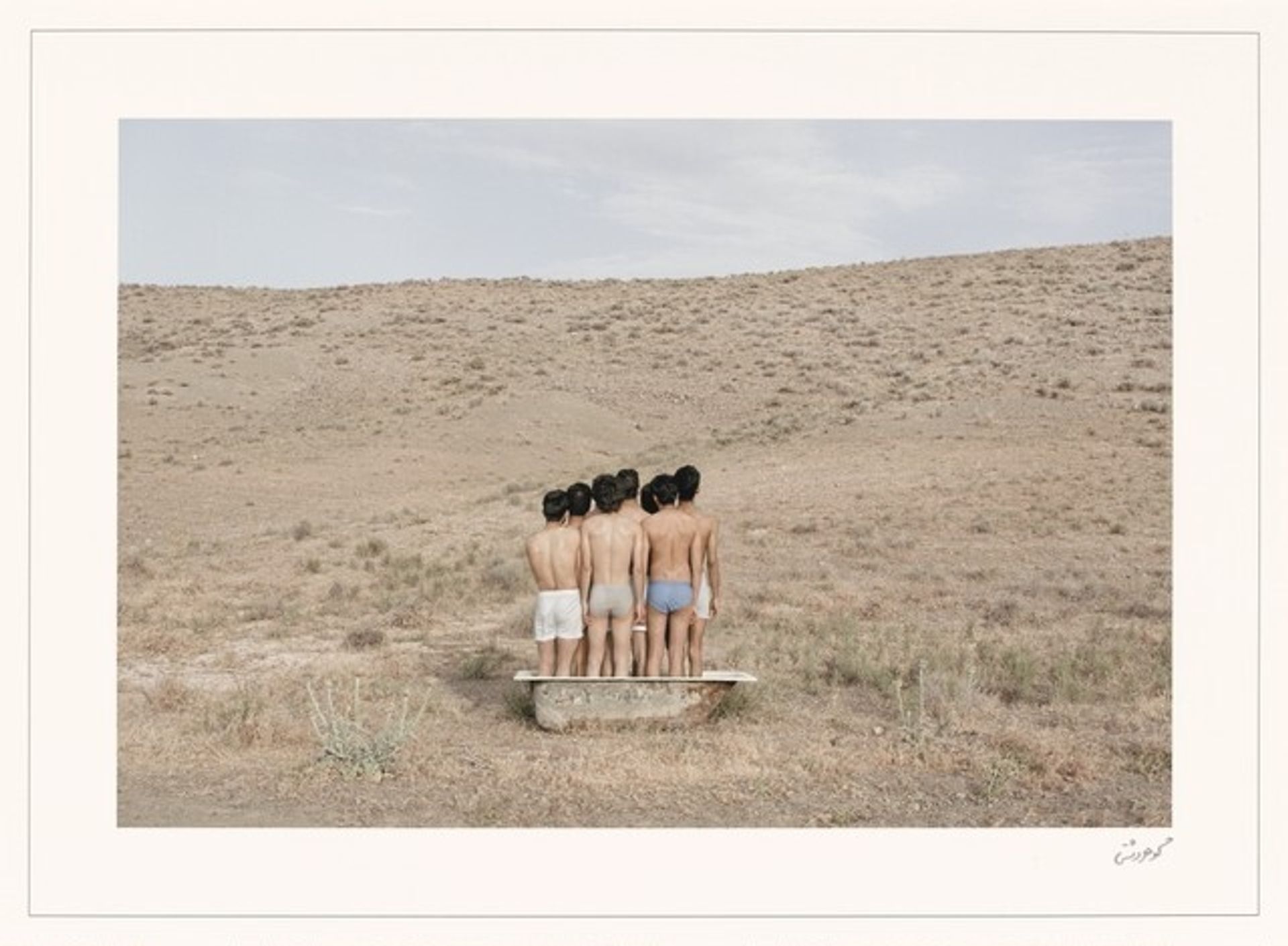
This untitled photograph was taken by Gohar Dashti, an Iranian artist born in 1980. It is a poignant reflection on identity and place. The work presents a group of men, shoulder to shoulder in a bathtub. They are surrounded by an arid landscape in Iran. The men stand with their backs to us, their gaze directed towards the horizon. This composition prompts questions about community, shared experience, and the burden of history. Dashti's photograph evokes feelings of longing, resilience, and the search for belonging in the face of displacement. The figures in the landscape encourage us to consider the weight of cultural expectations, as well as the pressures and constraints experienced by men in Iranian society. Dashti’s image captures a sense of collective vulnerability, while also hinting at the unspoken bonds that tie these individuals together. It challenges traditional representations of masculinity, while also subtly exploring themes of unity, resistance, and hope.


Artwork details
- Medium
- c-print, photography
- Dimensions
- image: 16.1 × 24 cm (6 5/16 × 9 7/16 in.) sheet: 21.6 × 29.6 cm (8 1/2 × 11 5/8 in.)
- Copyright
- National Gallery of Art: CC0 1.0
Tags
contemporary
landscape
c-print
photography
nude
identity-politics
Comments
No comments
About this artwork
This untitled photograph was taken by Gohar Dashti, an Iranian artist born in 1980. It is a poignant reflection on identity and place. The work presents a group of men, shoulder to shoulder in a bathtub. They are surrounded by an arid landscape in Iran. The men stand with their backs to us, their gaze directed towards the horizon. This composition prompts questions about community, shared experience, and the burden of history. Dashti's photograph evokes feelings of longing, resilience, and the search for belonging in the face of displacement. The figures in the landscape encourage us to consider the weight of cultural expectations, as well as the pressures and constraints experienced by men in Iranian society. Dashti’s image captures a sense of collective vulnerability, while also hinting at the unspoken bonds that tie these individuals together. It challenges traditional representations of masculinity, while also subtly exploring themes of unity, resistance, and hope.
Comments
No comments