About this artwork
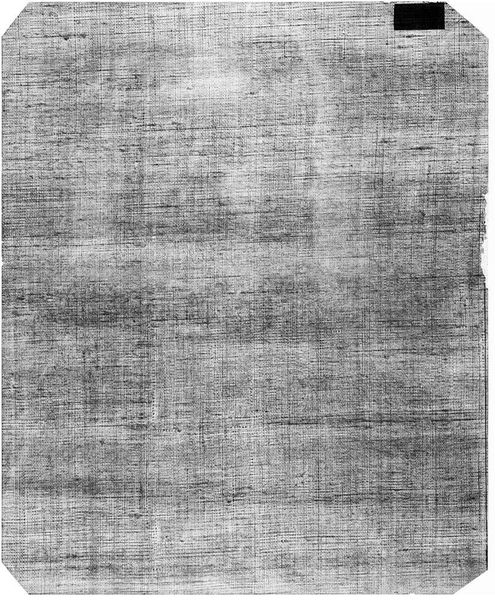
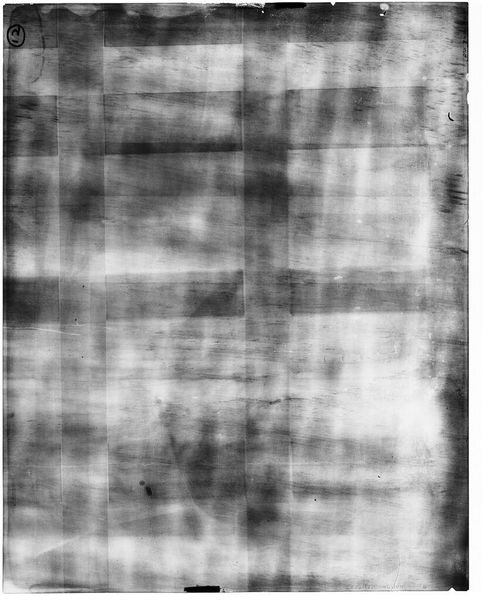
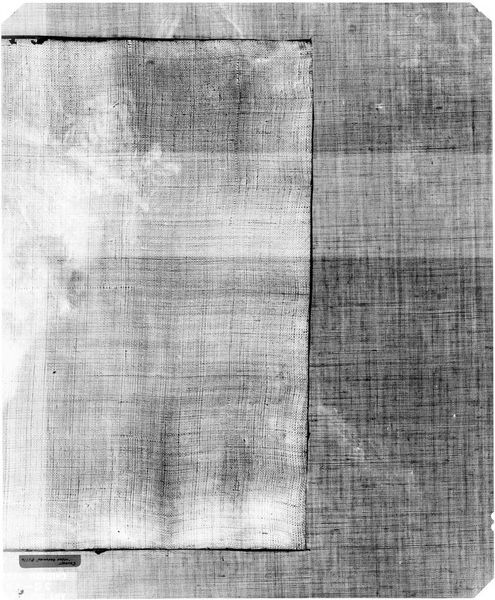
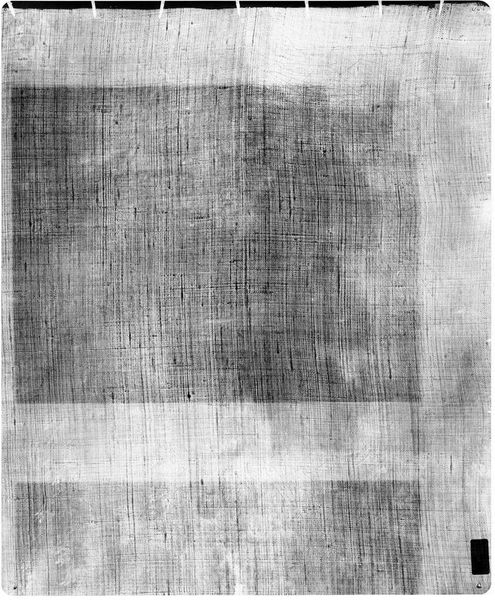
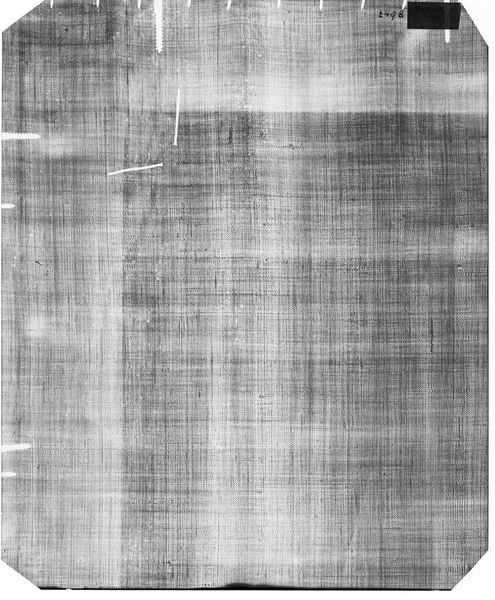
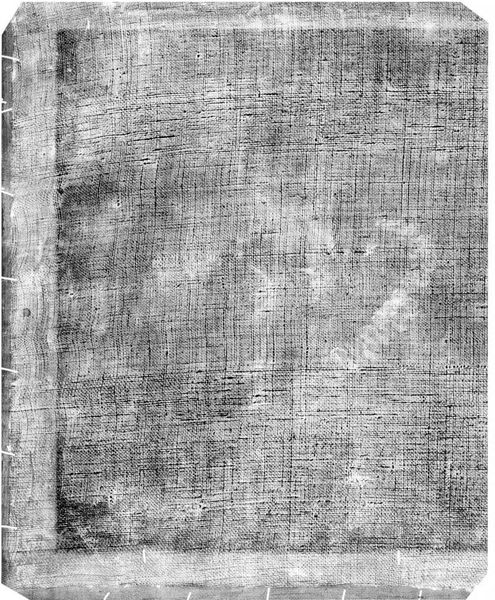
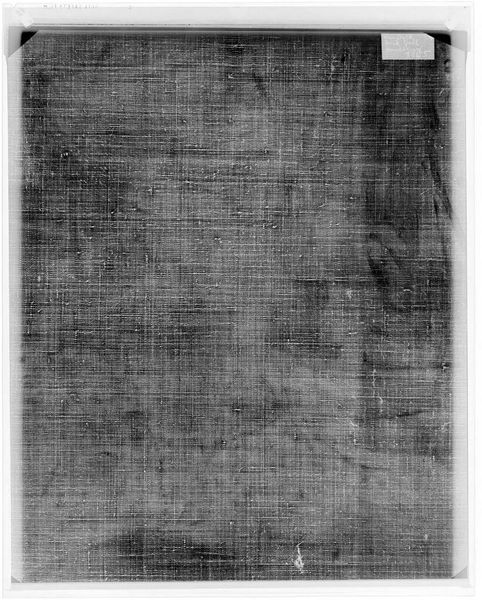
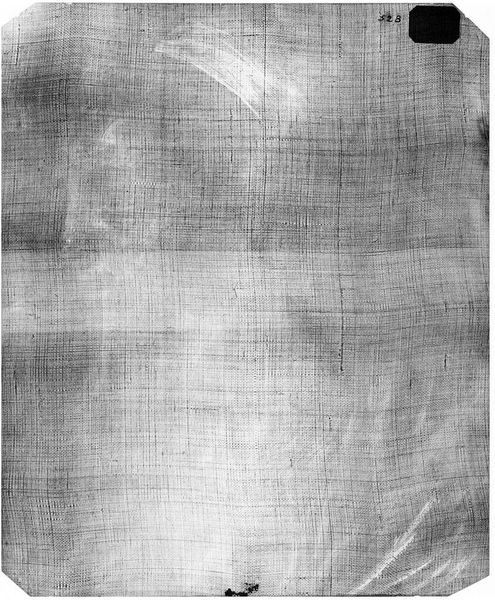
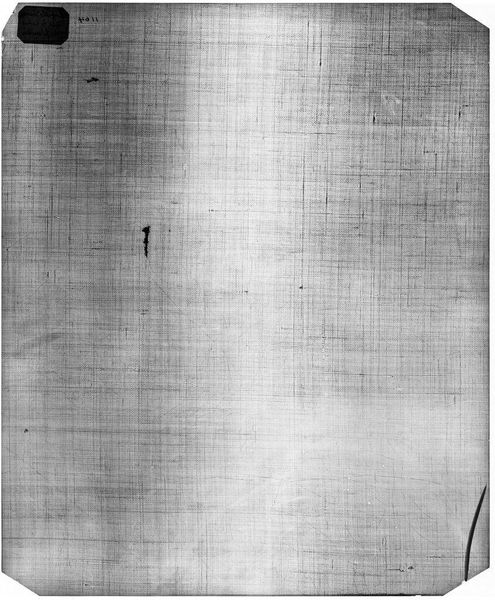
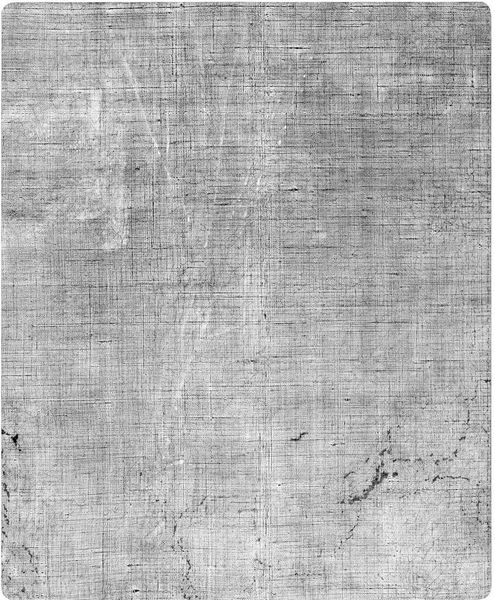
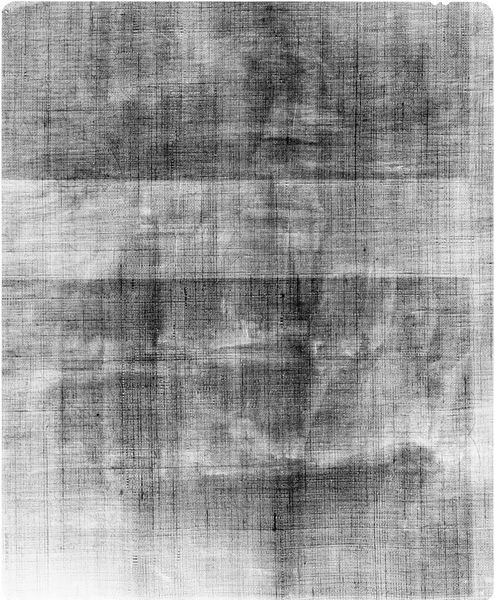
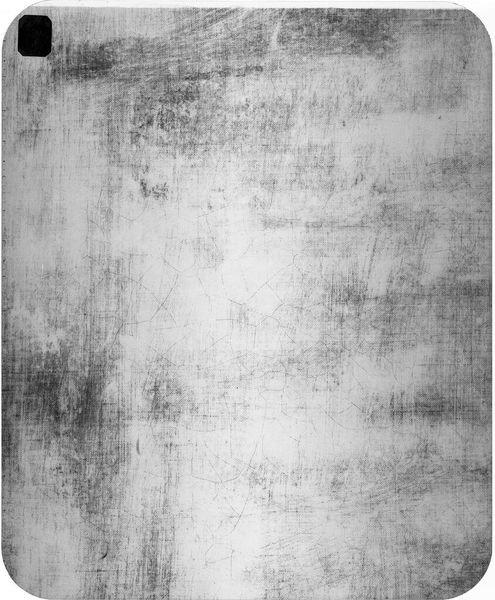
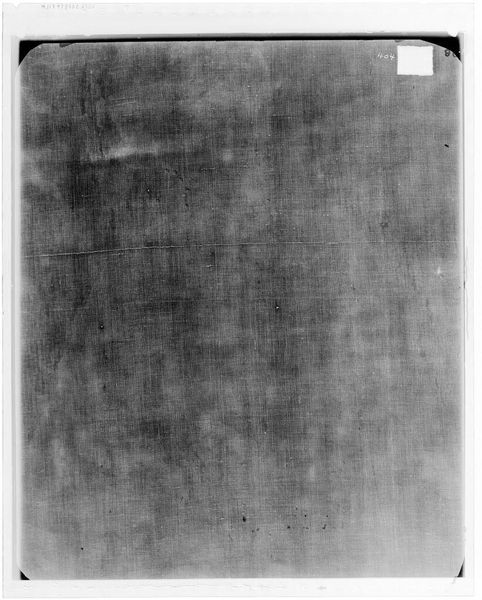
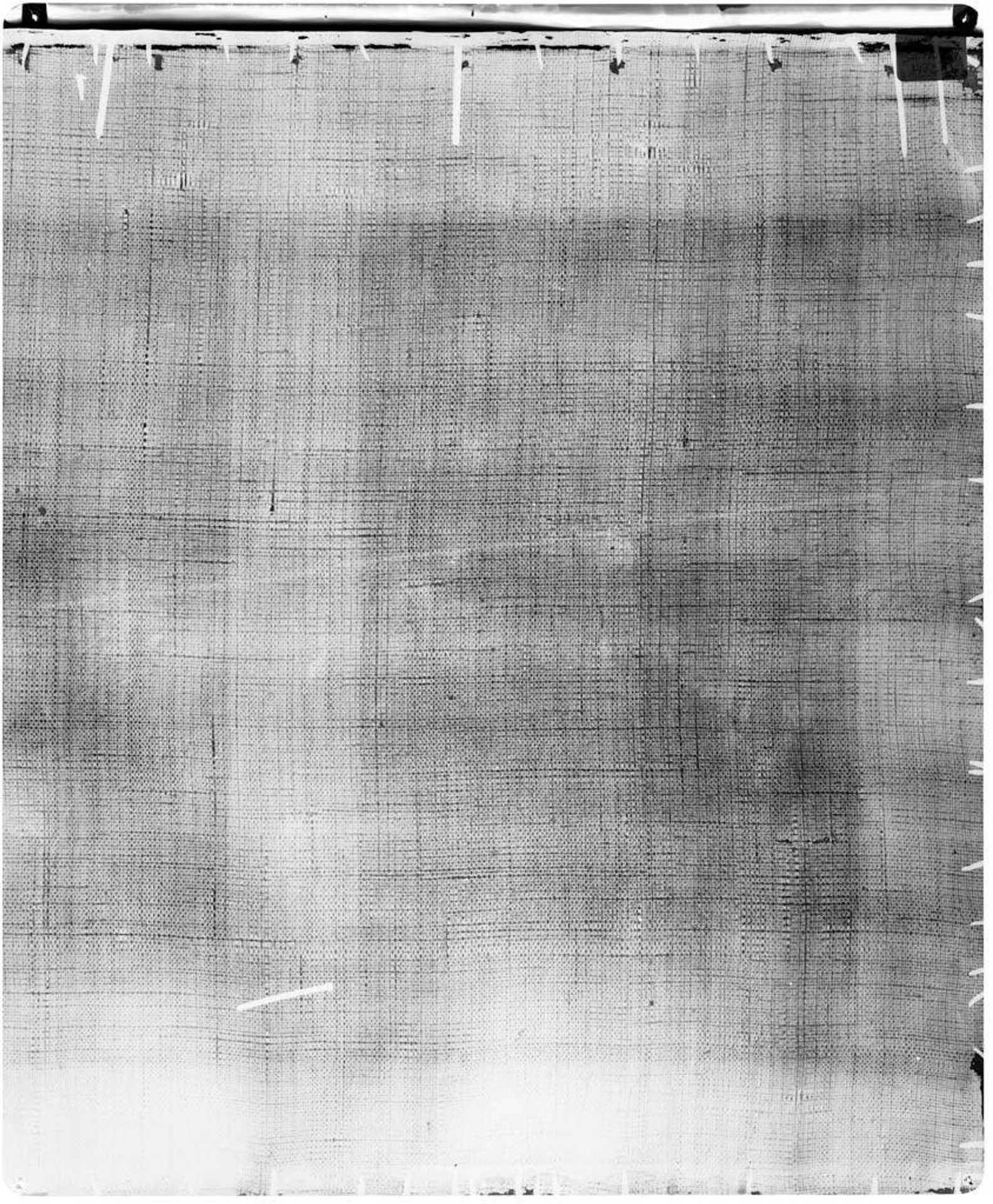
Curator: The Harvard Art Museums present an X-radiograph of "The Death of Leonardo," after Jean-Auguste-Dominique Ingres. Editor: It’s ghostly! The weave of the canvas becomes the image itself, with only faint suggestions of the painting beneath. Curator: Absolutely. It’s a fascinating peek behind the curtain, isn't it? We often forget the material support of painting, the literal canvas that holds the image. Editor: It makes me think about the craft involved, the preparation of the canvas, the labor that goes into creating the surface before a single brushstroke. Curator: And Ingres's legacy as a master is also interrogated here. The X-ray unveils a new perspective, raising questions about his artistic choices and the cultural significance we attach to his work. Editor: Yes! It reminds us that even the most revered artworks are fundamentally objects, the result of specific processes and materials. I find it oddly beautiful. Curator: Precisely, and it challenges us to consider art beyond the surface image and contemplate the layers of meaning embedded within.
X-radiograph(s) of "Death of Leonardo"
c. 1 - 72
Artist of original: Jean-Auguste-Dominique Ingres
@artistoforiginaljeanaugustedominiqueingres
Harvard Art Museums
Harvard Art MuseumsArtwork details
- Location
- Harvard Art Museums
- Copyright
- CC0 1.0
Comments
Share your thoughts
About this artwork
Curator: The Harvard Art Museums present an X-radiograph of "The Death of Leonardo," after Jean-Auguste-Dominique Ingres. Editor: It’s ghostly! The weave of the canvas becomes the image itself, with only faint suggestions of the painting beneath. Curator: Absolutely. It’s a fascinating peek behind the curtain, isn't it? We often forget the material support of painting, the literal canvas that holds the image. Editor: It makes me think about the craft involved, the preparation of the canvas, the labor that goes into creating the surface before a single brushstroke. Curator: And Ingres's legacy as a master is also interrogated here. The X-ray unveils a new perspective, raising questions about his artistic choices and the cultural significance we attach to his work. Editor: Yes! It reminds us that even the most revered artworks are fundamentally objects, the result of specific processes and materials. I find it oddly beautiful. Curator: Precisely, and it challenges us to consider art beyond the surface image and contemplate the layers of meaning embedded within.
Comments
Share your thoughts