![Rose Window, Notre-Dame Cathedral, Paris (277. Troyes. 1841. Cathedrale. Gde. Rose. Fichot-Paris [sic]) by Joseph-Philibert Girault de Prangey](https://d2w8kbdekdi1gv.cloudfront.net/eyJidWNrZXQiOiAiYXJ0ZXJhLWltYWdlcy1idWNrZXQiLCAia2V5IjogImFydHdvcmtzL2U2YzhmZjQyLWU1ZDgtNGRkZC1iZmY2LTg3ZGU3MTBlOTliNS9lNmM4ZmY0Mi1lNWQ4LTRkZGQtYmZmNi04N2RlNzEwZTk5YjVfZnVsbC5qcGciLCAiZWRpdHMiOiB7InJlc2l6ZSI6IHsid2lkdGgiOiAxOTIwLCAiaGVpZ2h0IjogMTkyMCwgImZpdCI6ICJpbnNpZGUifX19)
About this artwork
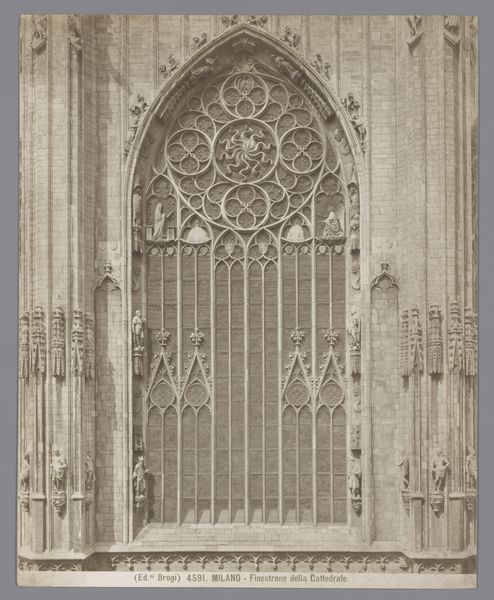
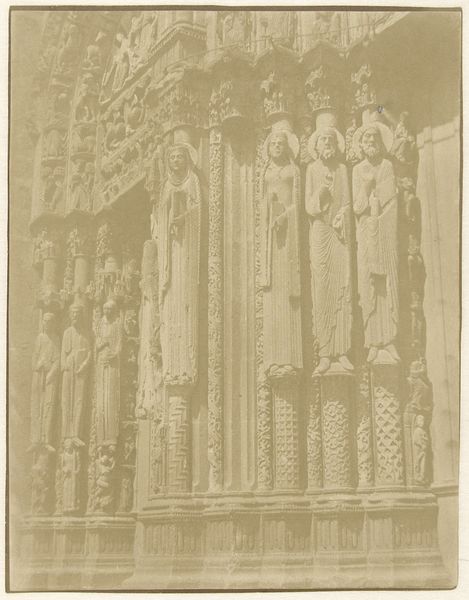
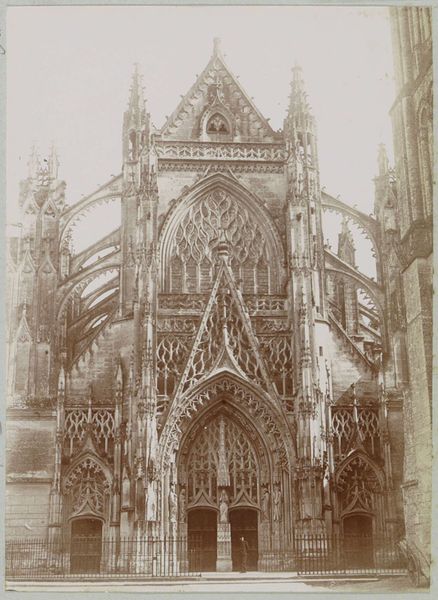
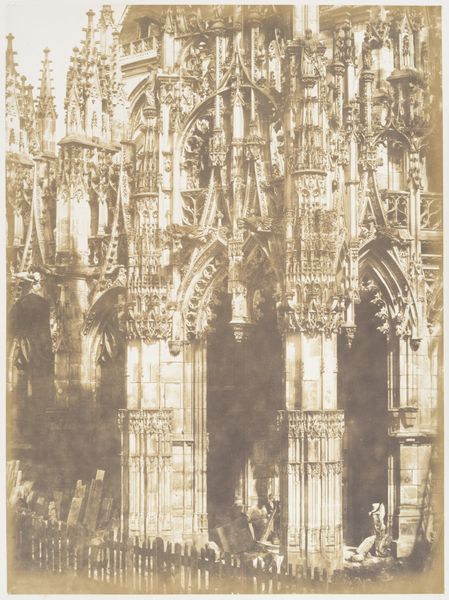
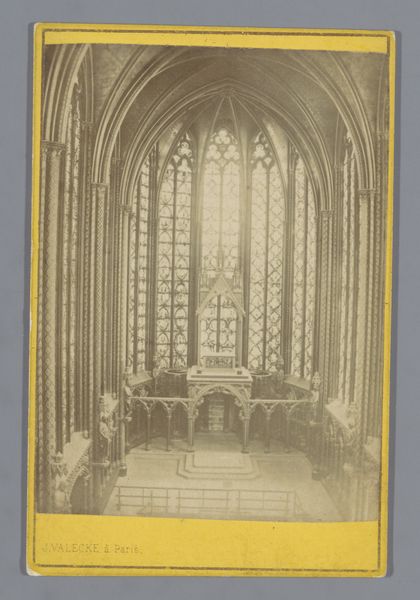
Joseph-Philibert Girault de Prangey made this daguerreotype of the Notre-Dame Cathedral's rose window in Paris in 1841. As one of the earliest forms of photography, the daguerreotype process was groundbreaking. It presented a novel way to document the world and challenged traditional modes of representation. The choice to photograph Notre-Dame, a symbol of Parisian identity and French history, speaks volumes. In the 1840s, France was a nation grappling with its past and its future, and the cathedral stood as a reminder of both its medieval roots and its revolutionary upheavals. Girault de Prangey’s image reflects the cultural reverence for historical monuments, fostered by institutions such as the Commission des Monuments Historiques. As historians, we can investigate the cultural and political significance of such images by exploring archives, publications, and other historical resources, and understand better the social conditions that shaped their creation and reception.
Rose Window, Notre-Dame Cathedral, Paris (277. Troyes. 1841. Cathedrale. Gde. Rose. Fichot-Paris [sic]) 1841

Joseph-Philibert Girault de Prangey
1804 - 1892
The Metropolitan Museum of Art
Metropolitan Museum of Art, New York, NYArtwork details
- Medium
- architecture
- Dimensions
- Image: 9 1/2 × 7 3/8 in. (24.1 × 18.8 cm)
- Location
- Metropolitan Museum of Art, New York, NY
- Copyright
- Public Domain
Tags
natural stone pattern
aged paper
water colours
natural tone
light earthy tone
natural colour palette
carved into stone
arch
watercolour bleed
natural palette
watercolor
architecture
Comments
No comments
About this artwork
Joseph-Philibert Girault de Prangey made this daguerreotype of the Notre-Dame Cathedral's rose window in Paris in 1841. As one of the earliest forms of photography, the daguerreotype process was groundbreaking. It presented a novel way to document the world and challenged traditional modes of representation. The choice to photograph Notre-Dame, a symbol of Parisian identity and French history, speaks volumes. In the 1840s, France was a nation grappling with its past and its future, and the cathedral stood as a reminder of both its medieval roots and its revolutionary upheavals. Girault de Prangey’s image reflects the cultural reverence for historical monuments, fostered by institutions such as the Commission des Monuments Historiques. As historians, we can investigate the cultural and political significance of such images by exploring archives, publications, and other historical resources, and understand better the social conditions that shaped their creation and reception.
Comments
No comments