About this artwork
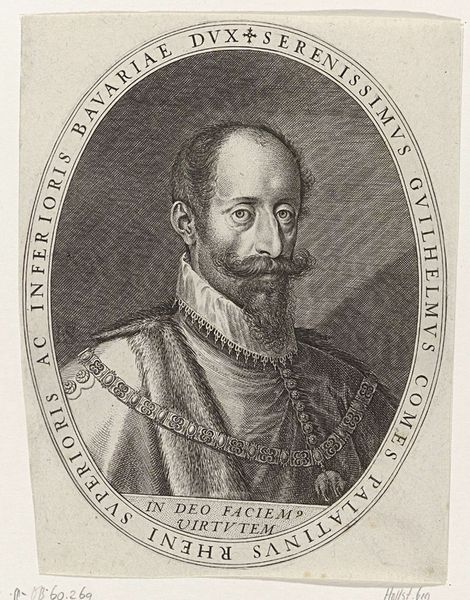
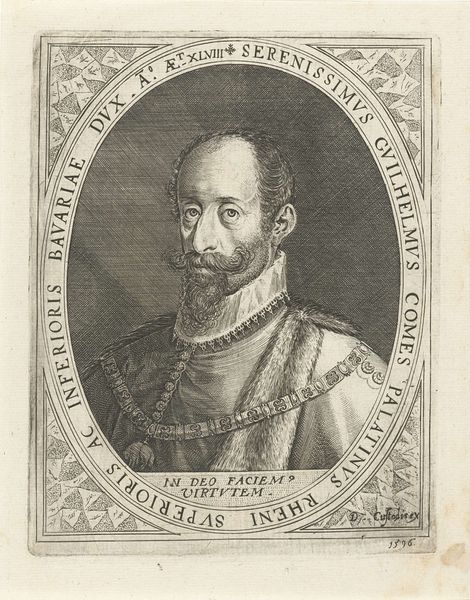
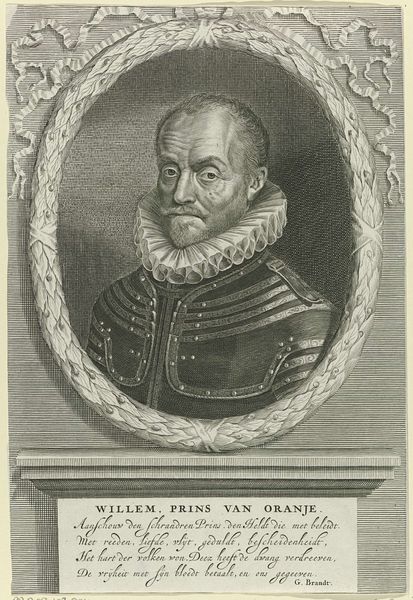
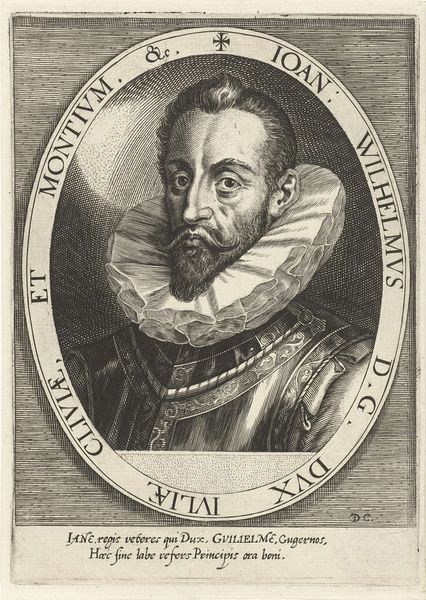
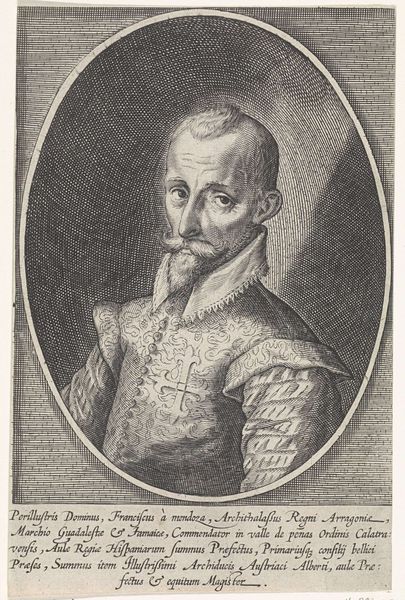
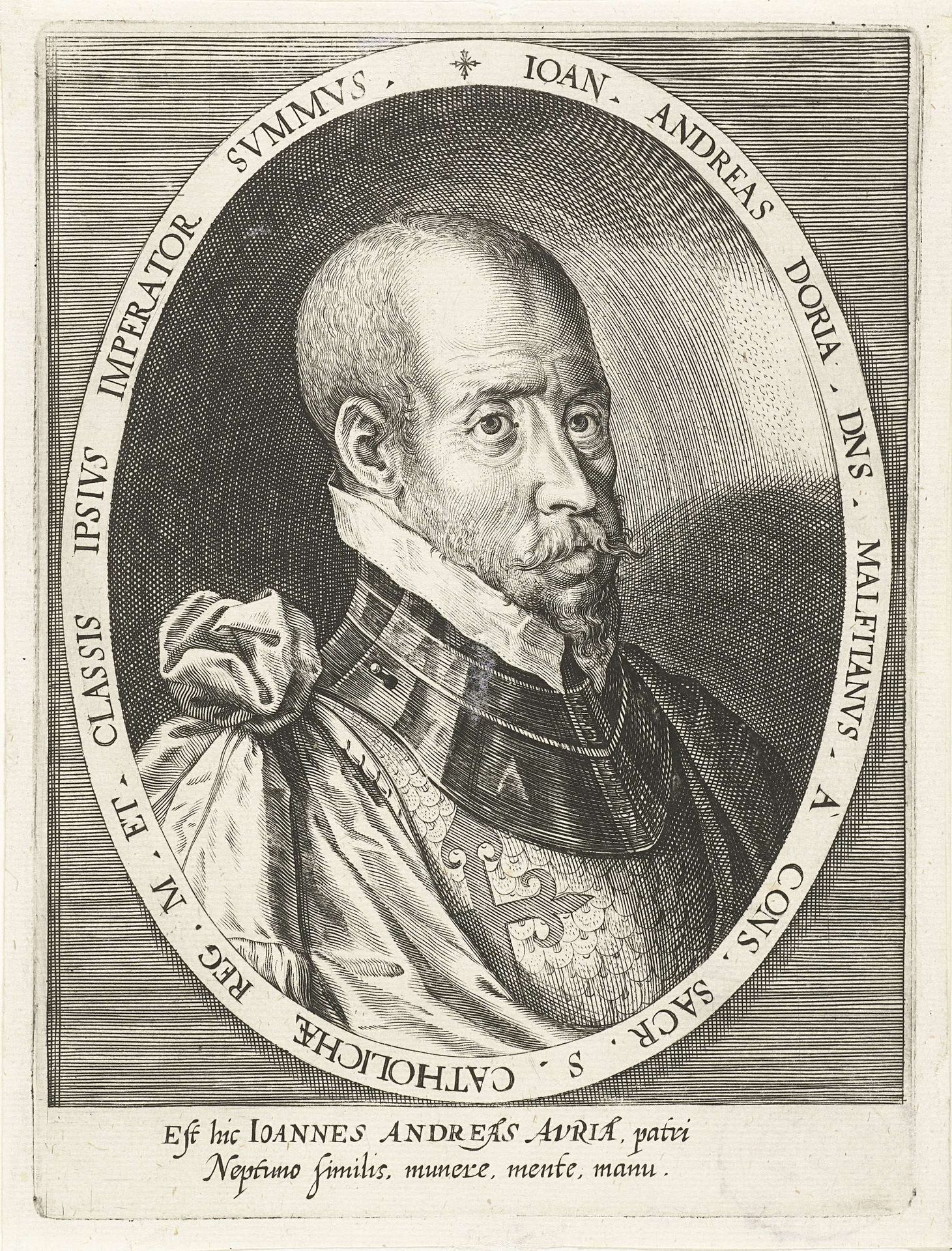
This engraving portrays Admiral Giovanni Andrea Doria, crafted by Dominicus Custos around the turn of the 17th century. Doria, a figure of considerable authority, is depicted in armor emblazoned with the cross. This emblem, a powerful signifier of faith and dominion, roots us in the religious and political tensions of the era. The cross worn by Doria echoes across centuries, appearing in myriad forms from the simple crosses adorning early Christian catacombs to the elaborate processional crosses of medieval Europe. It has served as a visual shorthand for authority, a symbol that evolved in response to the changing needs and aspirations of successive cultures. The image engages our collective memory, stirring subconscious associations with power and spiritual legitimacy. Such symbols aren't static; they are dynamic. They shift in meaning. They are adapted to new contexts. They are cyclical, recurring throughout history.
Portret van admiraal Giovanni Andrea Doria
1600 - 1604

Dominicus Custos
1560 - 1615Location
RijksmuseumArtwork details
- Medium
- engraving
- Dimensions
- height 173 mm, width 127 mm
- Location
- Rijksmuseum
- Copyright
- Rijks Museum: Open Domain
Tags
Comments
Share your thoughts
About this artwork
This engraving portrays Admiral Giovanni Andrea Doria, crafted by Dominicus Custos around the turn of the 17th century. Doria, a figure of considerable authority, is depicted in armor emblazoned with the cross. This emblem, a powerful signifier of faith and dominion, roots us in the religious and political tensions of the era. The cross worn by Doria echoes across centuries, appearing in myriad forms from the simple crosses adorning early Christian catacombs to the elaborate processional crosses of medieval Europe. It has served as a visual shorthand for authority, a symbol that evolved in response to the changing needs and aspirations of successive cultures. The image engages our collective memory, stirring subconscious associations with power and spiritual legitimacy. Such symbols aren't static; they are dynamic. They shift in meaning. They are adapted to new contexts. They are cyclical, recurring throughout history.
Comments
Share your thoughts