About this artwork
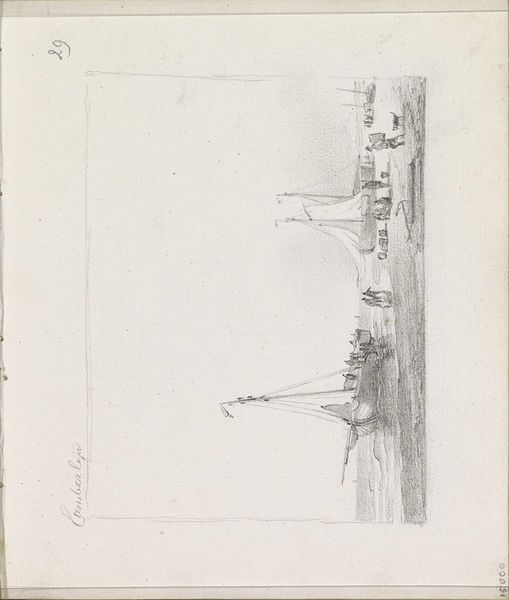
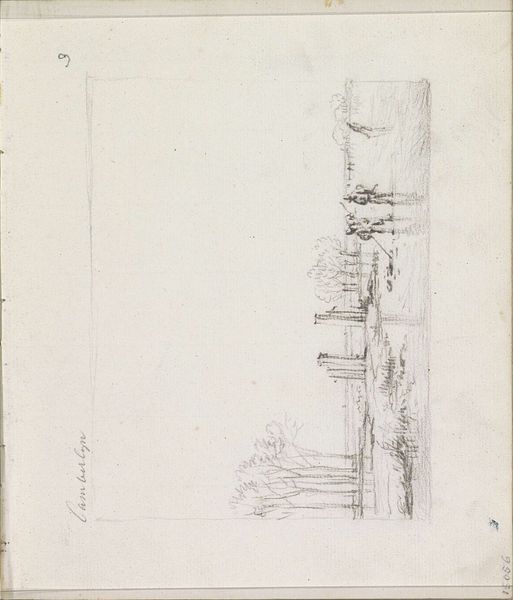
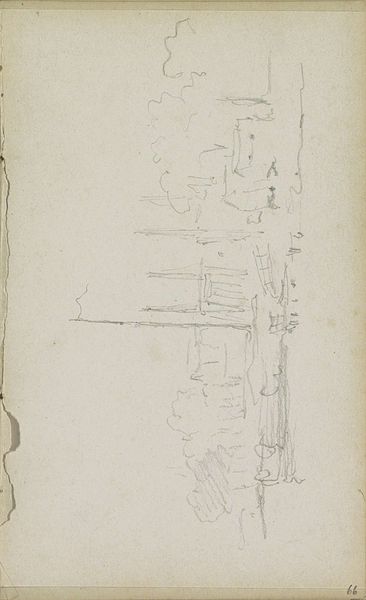
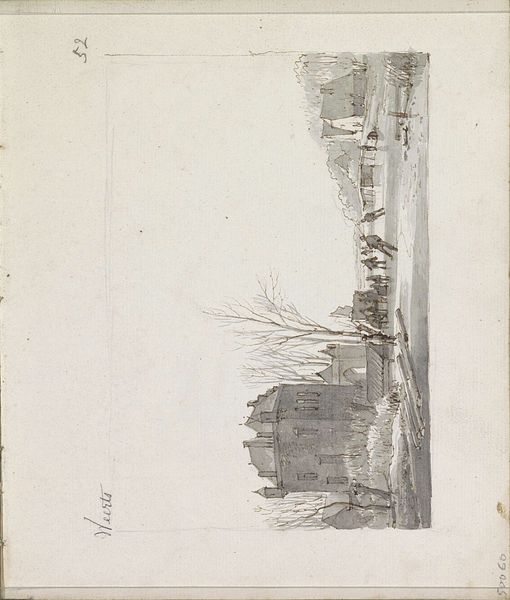
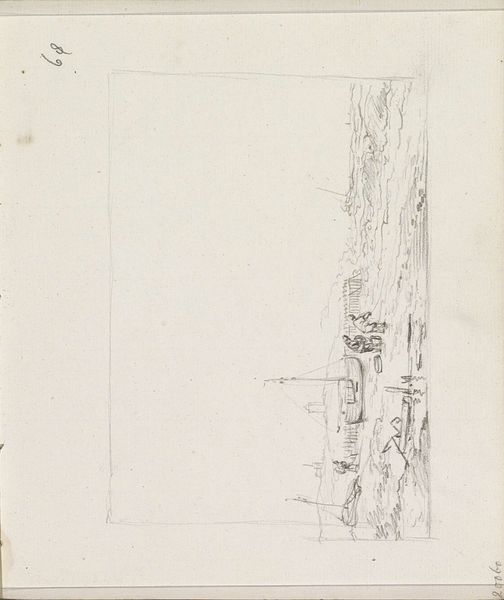
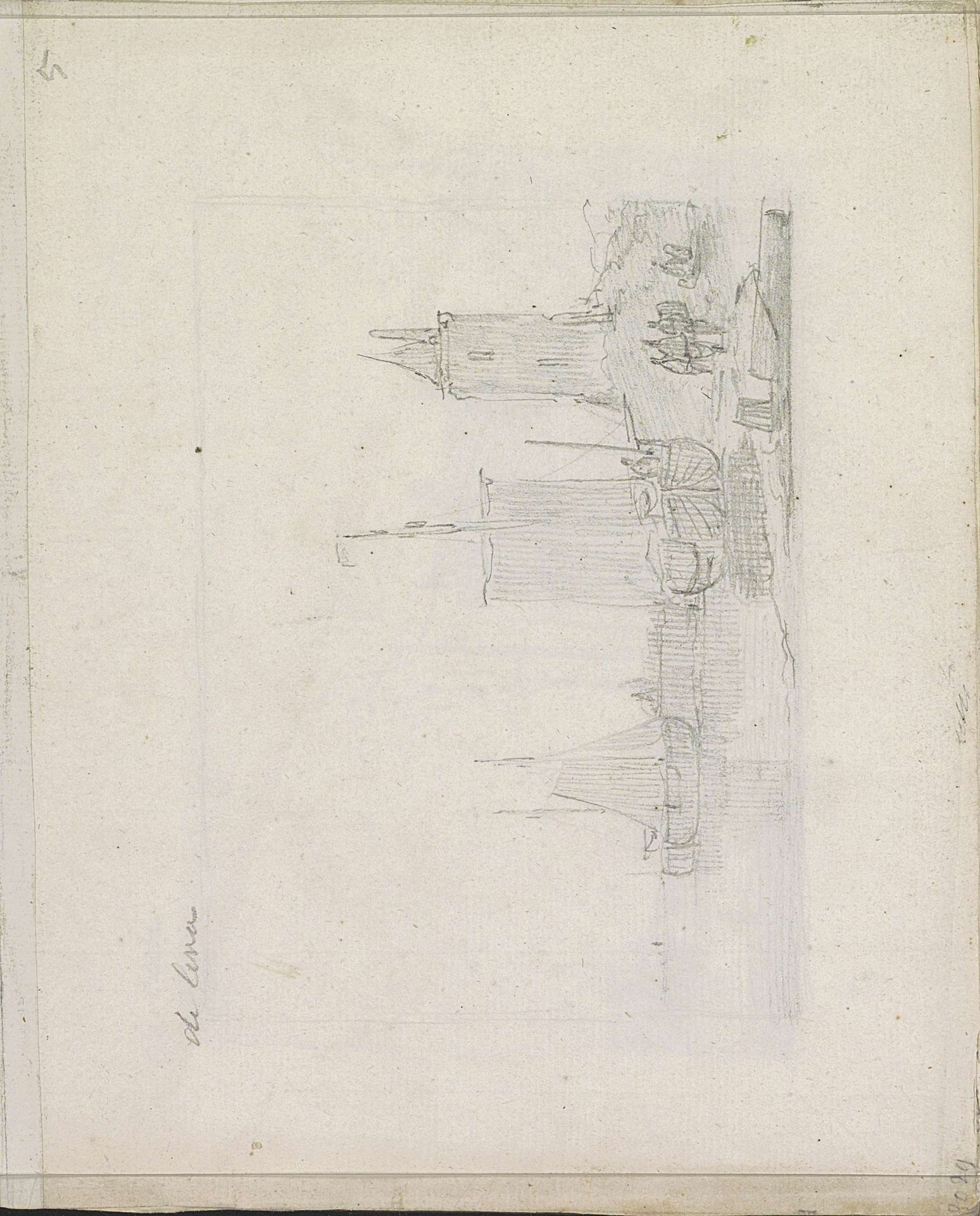
Andreas Schelfhout made this drawing of sailboats moored near a tower with graphite on paper sometime between 1802 and 1870. The choice of graphite is interesting. Before the mass production of pencils, graphite was a valuable material, carefully mined and processed. Here, Schelfhout uses it to capture a scene of maritime life, probably on the spot. Look at the quick, confident strokes. The graphite allows for subtle gradations of tone, creating a sense of depth and atmosphere. The paper, too, would have been carefully chosen for its texture and ability to receive the graphite. Schelfhout's sketch isn't just a pretty picture; it's a record of labor and industry, a snapshot of the infrastructure of 19th-century trade, captured with a material that was itself a product of considerable effort. It shows how a readily available and simple material can be used to engage with the changing world.
Naast een toren afgemeerde zeilboten c. 1825 - 1829

Andreas Schelfhout
1787 - 1870Location
RijksmuseumArtwork details
- Medium
- drawing, pencil
- Location
- Rijksmuseum
- Copyright
- Rijks Museum: Open Domain
Tags
drawing
pencil sketch
landscape
romanticism
pencil
cityscape
watercolor
building
Comments
No comments
About this artwork
Andreas Schelfhout made this drawing of sailboats moored near a tower with graphite on paper sometime between 1802 and 1870. The choice of graphite is interesting. Before the mass production of pencils, graphite was a valuable material, carefully mined and processed. Here, Schelfhout uses it to capture a scene of maritime life, probably on the spot. Look at the quick, confident strokes. The graphite allows for subtle gradations of tone, creating a sense of depth and atmosphere. The paper, too, would have been carefully chosen for its texture and ability to receive the graphite. Schelfhout's sketch isn't just a pretty picture; it's a record of labor and industry, a snapshot of the infrastructure of 19th-century trade, captured with a material that was itself a product of considerable effort. It shows how a readily available and simple material can be used to engage with the changing world.
Comments
No comments